
Phoenix homeowners are seeing electricity rates climb as rapid population growth, rising commercial demand, and longer, hotter summers put increasing strain on an expanding energy grid. In addition, time-of-use pricing is changing the rules, making power significantly more expensive during the late afternoon and evening hours, exactly when customers are returning home from work. That means higher bills when they need energy most.
As a result, more residents are looking for ways to take control of their energy use, and home battery systems are becoming part of that conversation as a practical, everyday tool for managing costs and improving reliability.
“Batteries are powerful financial tools that help homeowners reduce exposure to rising utility rates, avoid costly on-peak pricing, and provide security in the event of a grid outage,” Kyle Ritland of Sun Valley Solar Solutions, a Rosie on the House Certified Partner, said.
The new reality of energy costs
Most Arizona utilities now use time-of-use (TOU) pricing, which means electricity costs vary depending on when you use it. The most expensive hours (known as peak times) typically fall in the late afternoon and early evening, when demand is highest.
In Phoenix, that creates a perfect storm. Peak pricing often overlaps with triple-digit temps, heavy air conditioning use, and the moment families return home and turn everything on. To make matters more complicated, these peak hours have shifted to later in the day.
“This used to be the primary mission of solar panels – and it still is – but as utilities shift their most expensive hours later in the day when solar panels are less effective, batteries are now the central technology for moving away from utility dependence,” Ritland said.
How solar batteries help you save
One of the biggest benefits of a battery is simple: it lets you store energy when it’s cheapest and use it when 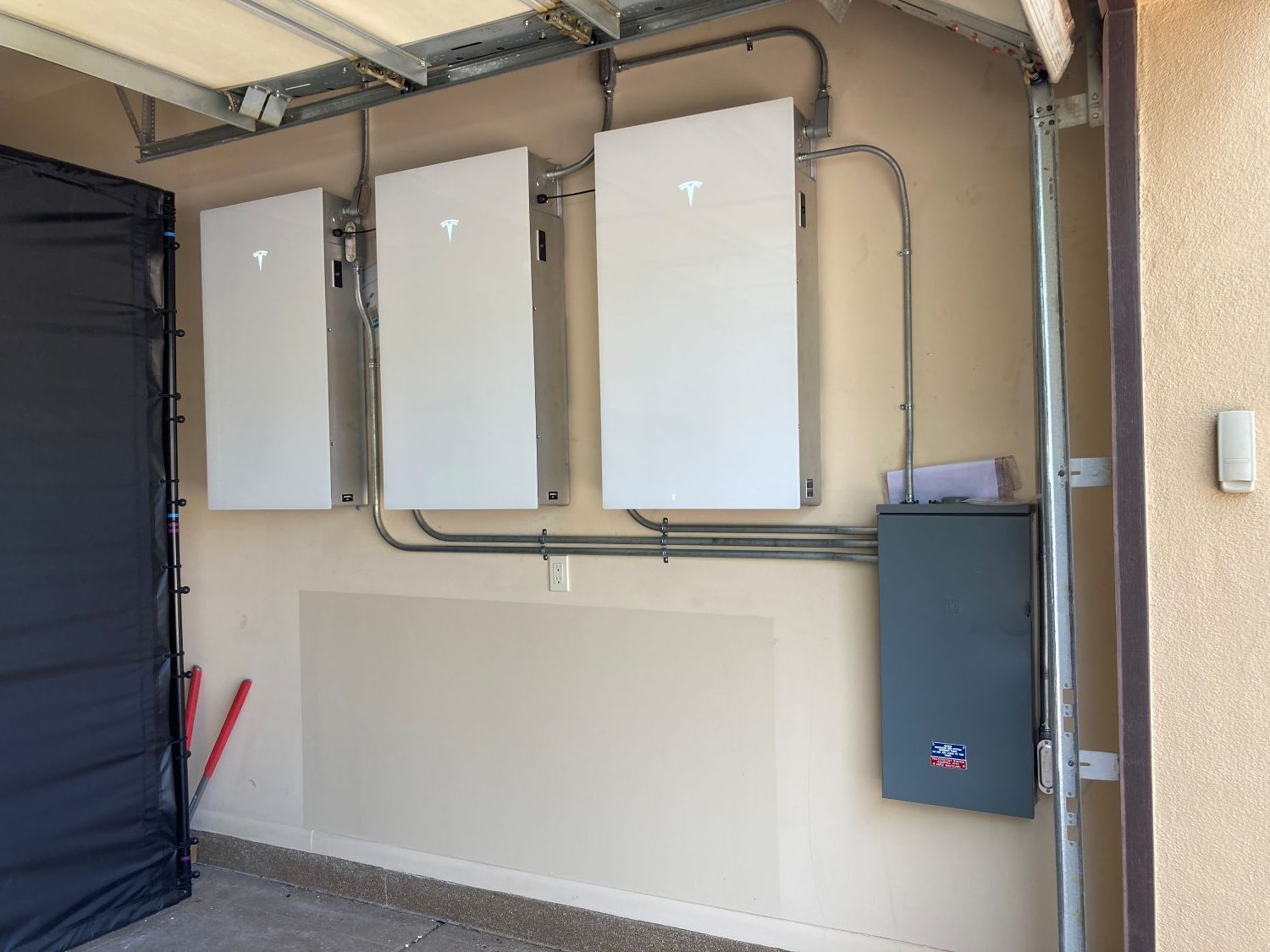 grid electricity is most expensive. Even better: you can do this with just the battery.
“A stand-alone battery stores low-cost grid electricity – or excess solar energy, if you have panels – for use later, “Ritland said.
This strategy works in the background. Your battery charges from the grid during the cheaper off-peak hours, usually overnight, then automatically powers your home during high-cost periods. The result is a more predictable and often lower monthly bill.
“The transition is smooth – the technology is so advanced you don’t even notice when the battery takes over. No dimming lights or flickering clocks. It’s quite impressive,” Ritland said.
Batteries can also help reduce demand charges, which are based on short bursts of high energy use. Instead of pulling large amounts of electricity from the grid all at once, your home can draw from stored energy, smoothing out costly demand spikes that can add significantly to your monthly bill, especially in the summer.
Protection when the grid goes down
While cost savings are a major driver, energy resilience is another advantage. Power outages –whether from storms, grid strain, or extreme heat – are more than an inconvenience during Arizona summers; they can be a serious health risk.
A home battery provides backup power automatically, often within seconds of an outage. Lights stay on, refrigerators keep running, and essential devices like air conditioning continue working. This peace of mind is just as valuable as the financial benefits. And unlike traditional generators, batteries operate quietly, don’t rely on fuel, and kick in automatically when needed.
It’s worth noting that without solar panels, a battery will eventually run out of stored energy during an extended outage. But even a few hours of backup power can make a significant difference, especially during Arizona’s hottest months.
Smarter energy use, day and night
Another advantage of solar batteries is flexibility.
“Batteries don’t care if the sun is shining,” Ritland said. “Because they can charge from the grid, they’re able to store energy overnight or during low-cost periods and use it later when rates spike.”
This feature makes them especially useful in today’s evolving energy environment, where timing matters more than ever. Instead of reacting to high prices, homeowners can plan.
Modern systems also include features such as time-based controls, remote monitoring, and load management, giving homeowners greater visibility into their energy use and more control over how their homes are powered.
Flexibility for homes without solar
While solar panels and batteries often go hand in hand, one of the lesser-known benefits is that you don’t need solar to get started.
Battery systems can operate independently, charging directly from the grid and still delivering many of the same financial and reliability benefits. An independent battery can be helpful for homeowners who aren’t ready to invest in solar panels or whose homes aren’t ideal for installation.
“By generating power during the day, solar panels can significantly reduce – or even eliminate – your reliance on grid electricity during daytime hours while simultaneously charging your battery,” Ritland said. “Then your battery uses that stored solar energy (or lower-cost grid energy if you don’t have solar) to offset expensive evening peak hours.”
Some homeowners are even opting to start with a stand-alone battery, which can immediately reduce energy costs while providing blackout protection. Solar can always be added later.
A long-term investment
As utility rates continue to increase, the value of energy independence becomes more apparent. Batteries offer a way to reduce reliance on the grid – not by eliminating it, but by using it less, and more strategically.
“Reduce exposure to future rate increases,” as Ritland puts it, is one of the key advantages. By relying less on grid power during peak hours, homeowners are less affected by rising costs.
There are also broader benefits. Batteries can help stabilize the electrical grid by reducing demand during peak use, lowering the risk of outages, and reducing reliance on less efficient energy sources.
From a home-improvement perspective, energy storage can also add appeal to future buyers. More homeowners are prioritizing efficiency, resilience, and long-term cost savings, and battery systems check all three boxes.
Pairing solar and battery
While batteries offer plenty of benefits on their own, pairing them with solar panels takes things a step further. Solar provides a renewable source of energy to charge the battery, reducing the need to pull electricity from the grid as long as the sun is shining, which averages more than 300 days a year in Arizona.
Solar panels also play a critical role during extended outages. Without solar, a battery can only supply power until it’s depleted. With solar, it can recharge continuously, keeping your home powered for longer periods.
Together, solar and battery systems give homeowners greater control over both costs and reliability, turning the home into a more self-sufficient energy system. In today’s environment, managing energy isn’t just about using less – it’s about using it wisely.
Ask the right questions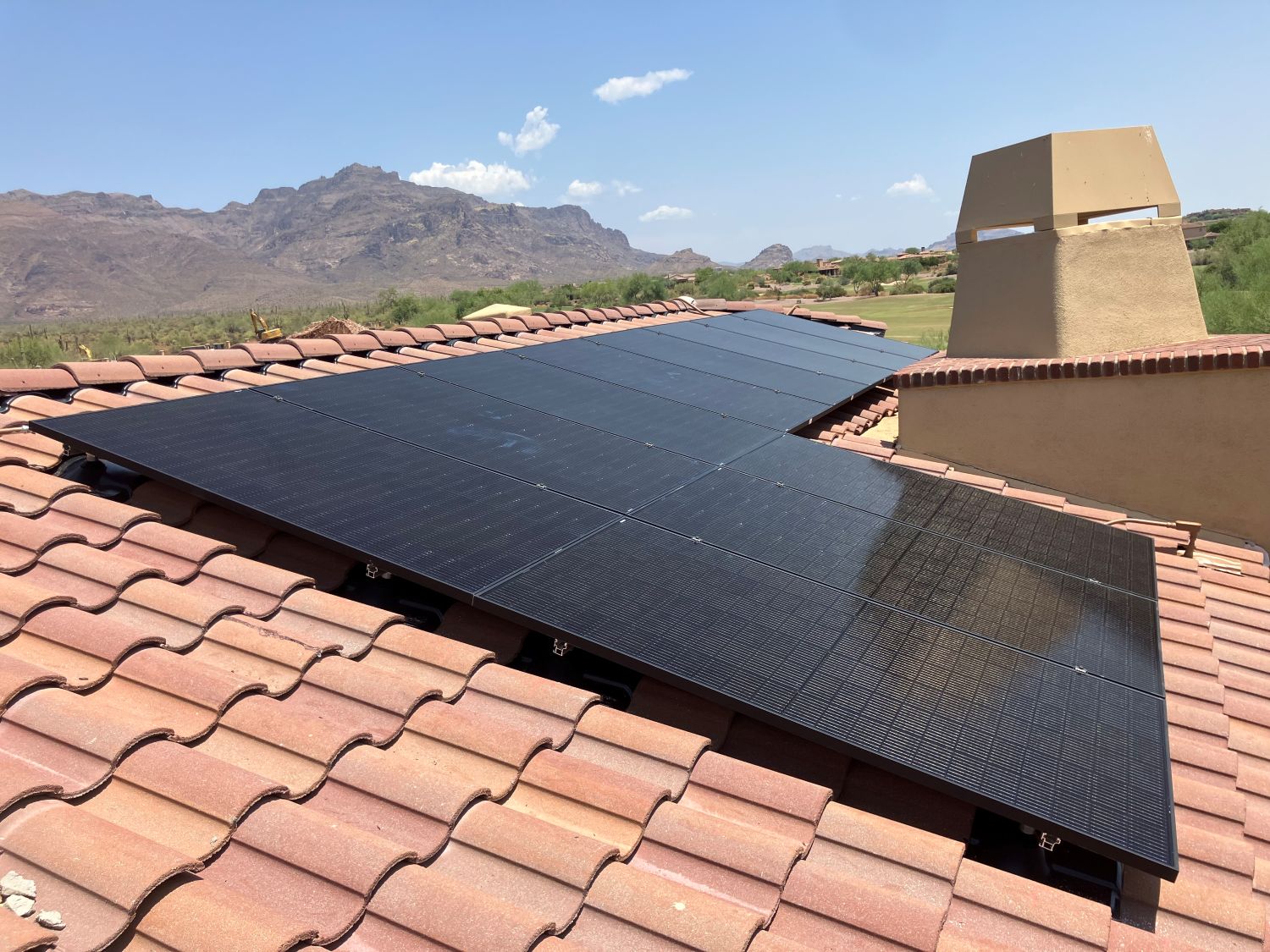
Homeowners need to understand that not all options are created equal, especially when it comes to backup power. While many assume a battery will automatically keep their home running during an outage, some systems are designed strictly to offset utility bills and don’t provide backup at all.
“As people shop for batteries, what they think they’re buying isn’t always what they’re actually getting,” Ritland said. “Not all batteries offer backup power, and if that’s what you want, you need to be very clear about it and ask the right questions.”
With utility rates rising, on-peak pricing shifting, and buyback credit dropping by about 10 percent each year since 2017, the economics have changed dramatically, according to Ritland.
“In today’s environment, it no longer makes sense to send excess energy back to the grid. You don’t get the credits you used to. A battery lets you store that power and use it when you need it most, maximizing your savings. In that sense, batteries are quickly becoming the most essential part of a modern solar energy system,” he said.
Solar batteries make that possible. By shifting energy use away from the most expensive times of day, providing backup power when it’s needed most, and offering flexibility for the future, they represent a practical step toward more efficient homes.
###
CONTENT PARTNER | SUN VALLEY SOLAR

Headquartered in Chandler, Arizona, Sun Valley Solar Solutions is more than a solar company—we are your partners in achieving a cleaner, more sustainable future. Our leadership, driven by a passion for innovation and excellence in customer service, is dedicated to providing the best solar solutions available.
PODCAST
Many factors are causing an increase in energy consumption leading to increased cost and use during hot summers. Storing energy with batteries are a powerful financial tool. Reducing exposure to rising utility rates, avoid on-peak pricing and security in case of a power outage. Kyle Ritland of Sun Valley Solar Solutions discusses battery storing energy with or without a solar system can be a game changer.
PHOTO CREDIT
- Sun Valley Solar