

On a global scale, pork is one of the most widely eaten meats. As a commodity, pork has been raised in Arizona for a long time. Over the decades, pork producers have become more and more sophisticated in how they raise hogs for quality, nutrition and care for the animal. Today, pigs are kept inside in climate-controlled environments for health, comfort, safety, food, and water.
The Arizona Pork Council supports pork producers and helps Arizona families understand and enjoy the versatility and nutritional value of pork.
Pig Facts
- Pork is the most widely eaten meat in the world.
- Even though they don’t seem like it, pigs are the cleanest farm animals. They roll in mud because they don’t sweat and that is their way of cooling off.
- Insulin and about 40 other medicines are made from pigs and their heart valves can be used replace damage human heart valves.
- Pigs are smart! They can learn to push a lever in the barn- yard to get a drink of water or a dish of food. Over the years pigs have been taught to tumble, race, pull carts, dance and hunt.
- You’d be surprised at the number of things that are made from pigs! There are more than 500 different types of important things besides meat that come from pigs. Examples of pig by-products are chewing gum, animal feeds, leather, glue, combs, buttons, plastics, paintbrushes, plywood, adhesive, insulation, upholstery, cosmetics, antifreeze, cellophane, floor waxes, cement, crayons, chalk, matches, putty, and linoleum.
The Nutritional Versatility of Pork

The variety of options range from decadent and flavorful to lean and nutrient-rich cuts that are affordable, easy to make, and enjoyable to families.
For decades, America’s pig farmers have worked closely with the National Pork Board and their team of pig health professionals reviewing and researching what pigs eat and how they are raised and bred to develop leaner, higher quality pork cuts that people continue to prefer. Because of this dedication to quality and continuous improvement, it comes as no surprise that pork has consistently been the number one protein enjoyed worldwide.
The National Pork Board helps highlight the nutritional value of pork.
Protein in Pork
- Through dedication to providing protein that people are looking for with a complete nutrient package in mind, today’s pork is 16 percent leaner and 27 percent lower in saturated fat compared to 29 years ago.
- Eight cuts of pork meet the USDA guidelines for “lean,” containing less than 10 grams of fat, 4.5 grams of saturated fat and 95 milligrams of cholesterol per 100 grams of meat.
- The popular pork tenderloin is considered “extra lean” and has the same amount of fat as skinless chicken breast.
Vitamins and Minerals
- Pork, by definition, is an “excellent” source of nutrients important in supporting our health, including vitamin B-6, thiamin, phosphorus, niacin and selenium, and protein and a “good” source of zinc, riboflavin and potassium.
Fat in Pork
- Through changes in feeding and breeding techniques, pork producers have responded to consumer demand for leaner pork. Today’s pork has 16 percent less fat and 27 percent less saturated fat as compared to 1991. Many cuts of pork are now as lean as skinless chicken.
Benefits of Pork In Your Diet
- Source of Key Nutrients: Pork is an excellent source of protein and provides several important vitamins and minerals. A 3-ounce serving of pork is an “excellent” source of thiamin, selenium, protein, niacin, vitamin B-6 and phosphorus, and a good source of zinc, riboflavin and potassium.
- Heart-Healthy: Pork is naturally low in sodium and an “excellent” source of potassium – two nutrients that, together, can help regulate blood pressure.
- Both the pork tenderloin and pork sirloin roast meet the criteria for the American Heart Association Heart Checkmark, which means they contain less than 5 grams of fat, 2 grams or less of saturated fat and 480 milligrams or less of sodium per label serving.
Q&A with Julie
1 | What is the economic contribution of Arizona’s pork industry and what does it provide our state annually?
- The average in cash receipts ranges from $41 million (2019) to as much as $50 million according to statistics through the United States Department of Agriculture’s National Agricultural Statistics Service (USDA-NASS). That’s not counting the economic value brought by those employed in the industry, capital investments, and more.
2 | There’s been lots of talk about agriculture’s carbon footprint, but most people don’t realize the efficiencies that the pork industry has advanced on in this area:
- Safeguarding the environment is important to America’s pork producers who work to steward their land for future generations. Protecting resources is a priority because their livelihoods depend on it.
- In the past six decades, pig farmers have reduced the pork industry’s environmental footprint by using less.
- 75.9% less land
- 25.1 % less water
- 7% less energy
- 7.7% fewer carbon emissions
- Pork production accounts for less than .3% of greenhouse gas emissions, according to the American Farm Bureau . Work continues to adopt practices that improve productivity and enhance sustainability.
3 | Arizona pork has a great tradition and legacy in Arizona. What are some historical tidbits about Arizona’s pork industry?
- The Pork Industry in Arizona really took off in the 1970s.
- The Industry in our state ranges from $40 million to $60 million, according to USDA-NASS
- Arizona Pork Council Promotes pork in the state.
- Early on, all four corners of the state had various pork farmers.
- One major commercial farming operations.
- A handful of producers produce show pigs for 4-H and FFA youth where business management, animal handling care and more is taught.
- We have a number of local meat shops and direct-to-market pork producers.
- Queen Creek | The Pork Shop
- Phoenix | The Meat Shop
- Phoenix | German Sausage Co.
- Chandler | Von Hanson’s
- Tucson | Sausage Shop Meat Market & Deli
- Tucson | Dickman’s Meat and Deli
- Flagstaff | Proper Meats + Provisions
- Flagstaff | Randal’s Fine Meats
4 | We all know meat protein is so important in our daily diets. Pork’s contribution:
- Pork is an excellent source of protein and provides several important vitamins and minerals. A 3-ounce serving of pork is an “excellent” source of thiamin, selenium, protein, niacin, vitamin B-6 and phosphorus, and a good source of zinc, riboflavin and potassium.
- Heart-Healthy: Pork is naturally low in sodium and an “excellent” source of potassium – two nutrients that, together, can help regulate blood pressure.
- Both the pork tenderloin and pork sirloin roast meet the criteria for the American Heart Association Heart Checkmark, which means they contain less than 5 grams of fat, 2 grams or less of saturated fat and 480 milligrams or less of sodium per label serving.
5 | Our nutritionists in the industry talk about how many of our pork cuts are leaner today. Why?
- a. Eight cuts of pork meet the USDA guidelines for “lean,” containing less than 10 grams of fat, 4.5 grams of saturated fat and 95 milligrams of cholesterol per 100 grams of meat.
- b. The popular pork tenderloin is considered “extra lean” and has the same amount of fat as skinless chicken breast.
- c. All of this has come about because of improved genetics and improved feeding and animal care practices over the decades.
7. Any favorite recipes?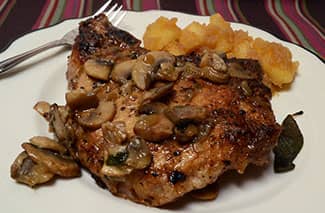
- Recipe: Jan D’Atri’s Pan Seared Pork Chop Casserole
- Recipe Finder: AZ Farm Bureau “Fill Your Plate” Pork Recipes
- Recipe Videos: National Pork Board YouTube Channel
- Pork Resources/Recipes: Arizona Pork Council
#ArizonaPork | #AZPork
By Julie Murphree on behalf of the Arizona Pork Council
PODCAST ARCHIVES
Broadcast Date | October 4th, 2025
Broadcast Date | October 5th, 2024
Broadcast Date | October 7th, 2023
Rogers Livestock co-owner Kevin Rogers is joined by Arizona Farm Bureau’s Julie Murphree to talk pork and much more! Kevin is passionate about teaching the fine art of pig showing and teaching Arizona youth the leadership skills that accompany it.
Podcast Archive With Expanded Content and Resources
Broadcast Date | April 4th, 2021
Julie Murphree of the Arizona Farm Bureau is joined by Shannon Schultz of Schultz Farms and Kevin Rogers of Rogers Brothers discussing Arizona pork production. From farming to harvesting and raising kids involvement in 4-H and Future Farmers Of America, they explain why their farming is a lot more than just enjoying nutritious delicious pork!