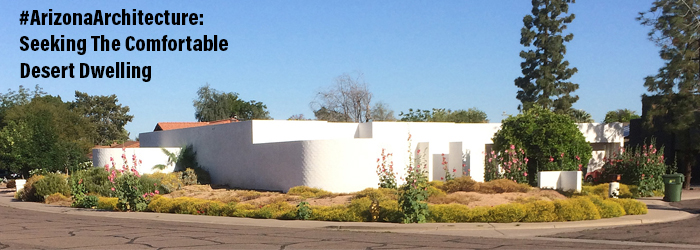
Arizona homeowners have always faced the same challenge: how do you stay comfortable when summer temperatures soar to 115, and the difference between daytime highs and overnight lows can top 30 degrees? While building materials and technology have evolved over centuries, the principles behind comfortable desert living have remained consistent.
According to Historical Architect Don Ryden, three essential factors have defined successful desert homes – from Hohokam dwellings and the Casa Grande Ruins to mid-century modern masterpieces and today’s energy-efficient homes: shade, insulation and humidity control.
“People often think Arizona has only two seasons – hot and not hot,” Ryden said. “But longtime residents know it’s more nuanced than that. Understanding the climate is the first step toward creating a home that’s comfortable year-round.”
Comfort starts with understanding the environment.
Arizona’s climate isn’t only defined by high temperatures. Solar radiation, humidity, wind and temperature swings all affect how comfortable a home feels.
“Climate affects biology, biology informs technology, and technology shapes architecture,” Ryden said. “When you understand how the human body reacts to these changing conditions, you can design buildings that work with the desert instead of fighting against it.”
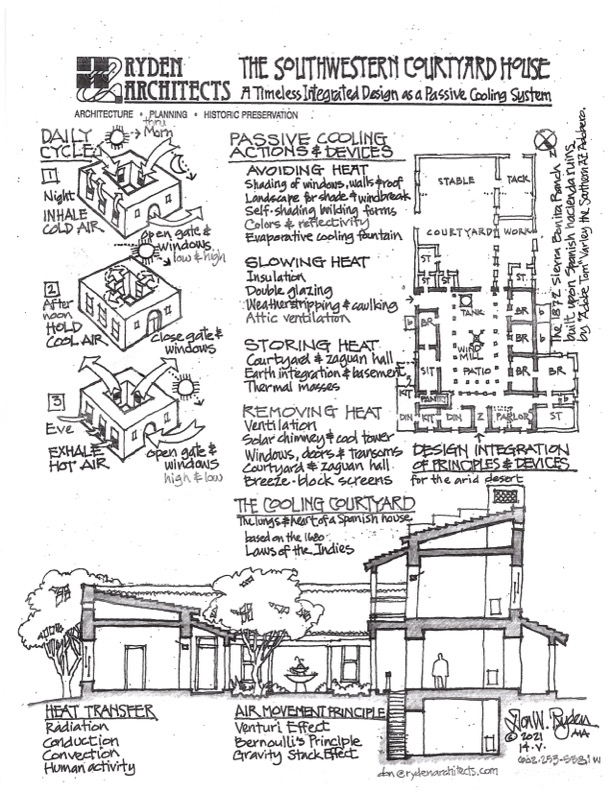
Rather than relying entirely on air conditioning, the best desert homes first use passive design – architectural features that naturally reduce heat gain and improve comfort – before mechanical systems take over when needed.
“The timeless, integrated passive cooling strategy marks the difference between the tract house builder’s smart home and the environmental architect’s ‘wise home,'” Ryden said.
What can centuries of homes teach us?
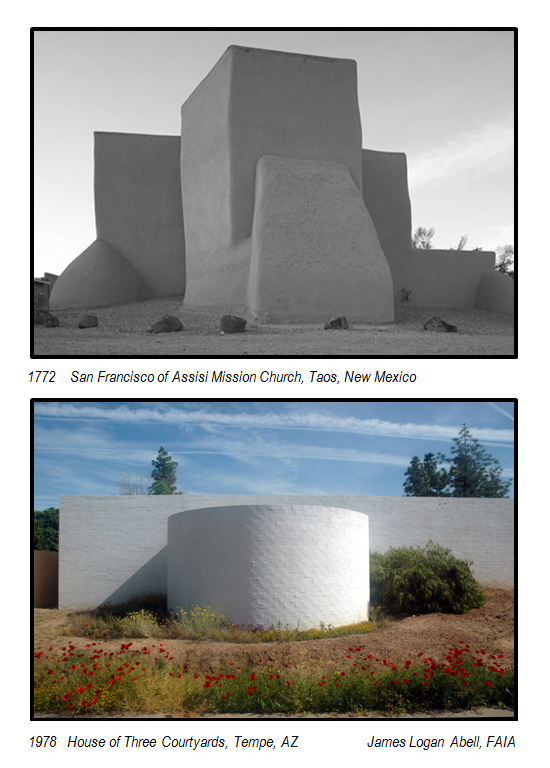
The Puebloans built clustered stone-and-earth communities with thick walls, small windows and carefully oriented buildings that minimized summer heat while welcoming winter sun. Later, Spanish settlers introduced courtyard homes designed around shaded outdoor spaces, where breezes and thick masonry walls naturally cooled interiors long before air conditioning existed.
As Arizona grew through the late 1800s and 1900s, home styles reflected national trends rather than the realities of the Sonoran Desert. Victorian cottages, bungalows, ranch homes, and Tuscan-inspired designs introduced new technologies such as evaporative coolers, air conditioning, and insulation, but many moved away from time-tested passive cooling strategies and architectural character.
Ryden believes today’s homeowners can learn from history and innovation. Passive features such as building orientation, shade trees, insulated walls, attic ventilation, weather sealing, and natural airflow can improve comfort while reducing energy use.
Courtyard homes remain one of the best examples, using shaded outdoor spaces and controlled ventilation to cool the home throughout the day naturally.
“To achieve ageless, comfortable homes with authentic Arizona character, we must employ passive cooling strategies and design for place, not for time,” Ryden said. Rather than chasing
trends, he encourages homeowners to build or remodel homes that respond to Arizona’s climate first, then use modern technology to handle temperature extremes.
Shade – Arizona’s first line of defense
Long before modern air conditioning, communities understood the value of shade. Whether it was thick walls, shaded courtyards, covered patios or deep roof overhangs, successful homes minimized direct exposure to the Arizona sun – and that lesson still applies today.
Trees, pergolas, awnings and covered outdoor living spaces reduce the amount of solar heat entering a home. Modern windows with low-emissivity coatings help accomplish the same goal by blocking much of the heat while still letting in natural light.
Seasonal shading matters. During Arizona summers, blocking direct sunlight keeps interiors cooler, while allowing winter sunshine to enter the home provides welcome warmth.
Insulation works both ways.
Many people associate insulation with cold climates, but it’s equally important in the desert. Good insulation slows the movement of heat, keeping it outside during scorching afternoons and helping homes retain comfortable indoor temperatures overnight. Throughout history, builders have used different methods to accomplish the same objective.
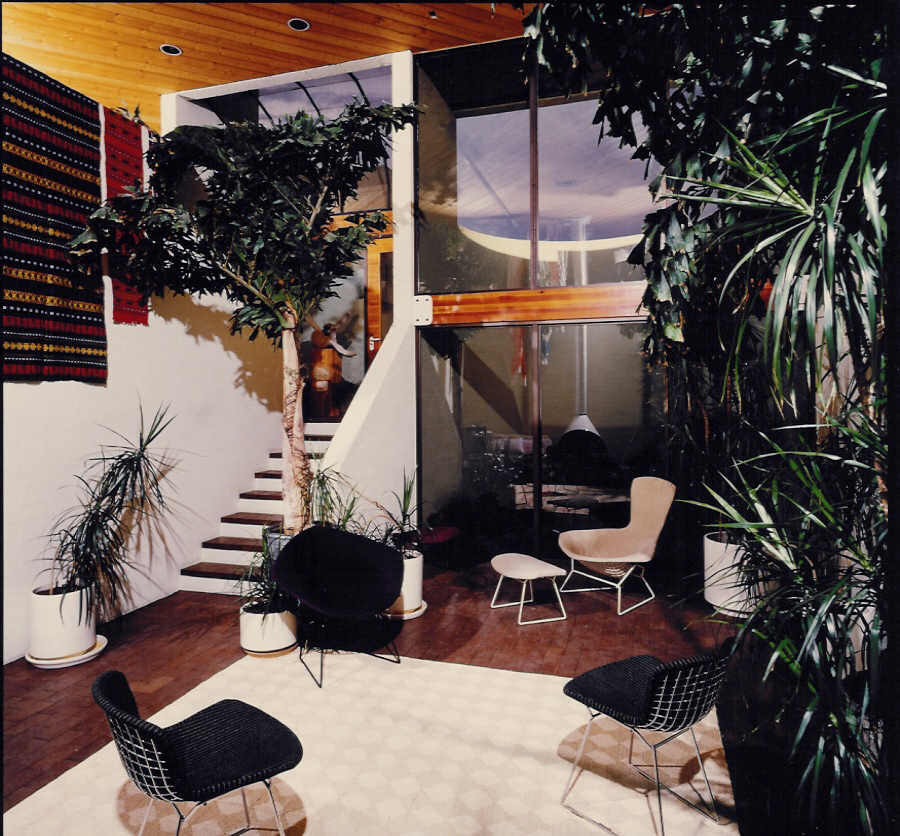
Mid-century architects experimented with innovative wall systems, orientation, and roof designs to reduce heat gain. Today’s homeowners benefit from advanced insulation materials, reflective roofing products, and better-sealed building envelopes.
The goal has remained unchanged: reduce unwanted heat transfer and create a more stable indoor environment. Passive insulation also reduces the workload on air conditioning systems, improving energy efficiency and increasing comfort.
Humidity matters – even in a dry climate
It may be a dry heat – but humidity still plays a role in comfort. During much of the year, low humidity allows perspiration to evaporate efficiently, helping people feel cooler. During monsoon season, however, rising humidity can make the same temperatures feel far less comfortable.
Ryden explained that achieving comfort requires balancing four related climate factors: temperature, humidity, solar radiation and air movement. Ideally, indoor temperatures fall between 70 and 82 degrees, with relative humidity between 15 and 55 percent.
When humidity rises, increased airflow from ceiling fans, natural ventilation, or HVAC systems helps restore comfort. During dry periods, some homeowners may actually benefit from adding a small amount of humidity indoors to prevent excessively dry air.
Classic principles, modern homes
Today’s homeowners have access to better materials and smarter technology than ever before, but the fundamentals of desert design haven’t changed.
Homes that combine shade, insulation and humidity control create comfortable living spaces while using less energy and placing less strain on cooling systems. Maybe that’s why Arizona’s most enduring architecture still feels relevant today.
“The architecture must respect the ‘Spirit of Place’ rather than imitate the passing fads of popular styles,” Ryden said.
Whether inspired by ancient desert dwellings, iconic mid-century homes, or modern sustainable construction, the most successful homes continue to adopt the same lesson: work with the desert, not against it!
###
Homeowner Handbook | #ArizonaArchitecture
PODCAST
PHOTO CREDIT