
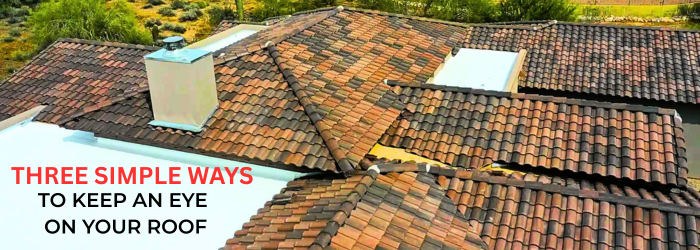
Your roof protects your home every day, but because it’s out of sight, it’s often out of mind until there’s a problem. Thankfully, homeowners don’t need to climb onto the roof to spot potential issues. A few observations from the ground, combined with regular professional inspections, can help catch small repairs before they become big ones.
According to Brandon Niskanen of Pinnacle Roofing, a Rosie on the House Certified Partner, the key is knowing what to look for and recognizing when it’s time to call in an expert.
Start with a ground-level inspection
One of the easiest things homeowners can do is take a walk around their property every few months and, well…look up. If mature trees surround your home, keeping an eye on debris is especially important.
“Tree debris may be visible in the valleys,” Brandon said. “If the roof is flat and surrounded by many trees, this could be a problem if no one has cleaned it.” It is important to note that flat roof drain through a scupper system. When the scuppers fill with debris, the roof can back up causing the water to pool and possibly cause leaks.
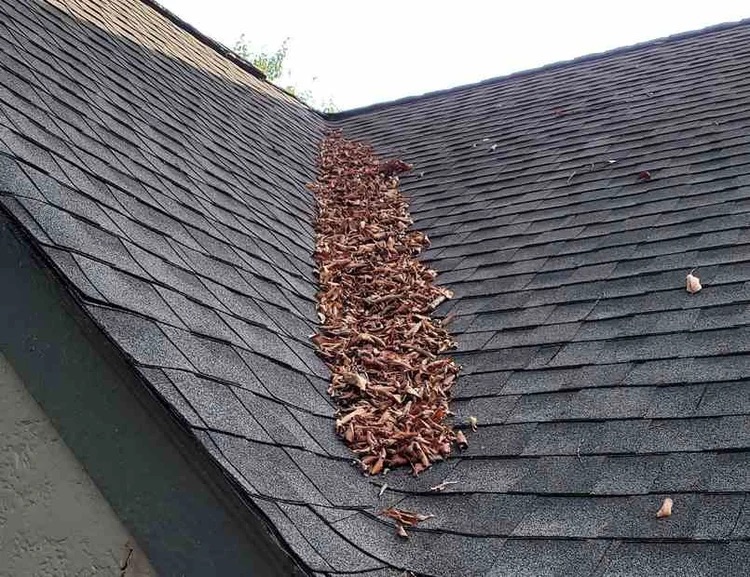
Leaves, twigs, and other debris can trap moisture and prevent proper drainage, especially on flat or low-slope roofs. Over time, that buildup can contribute to premature wear if left unattended.
After a storm, it’s also worth taking another look from the ground. Strong winds can loosen or shift roofing materials, even if there are no obvious issues inside the home.
“Look for blown-off roof tiles and/or shingles. Sometimes tiles can ‘flip up,’ and you should be able to spot that from the ground,” Brandon said.
If something doesn’t look quite right, resist the temptation to investigate up close. A professional inspection is the safest next step.
Know where problems hide
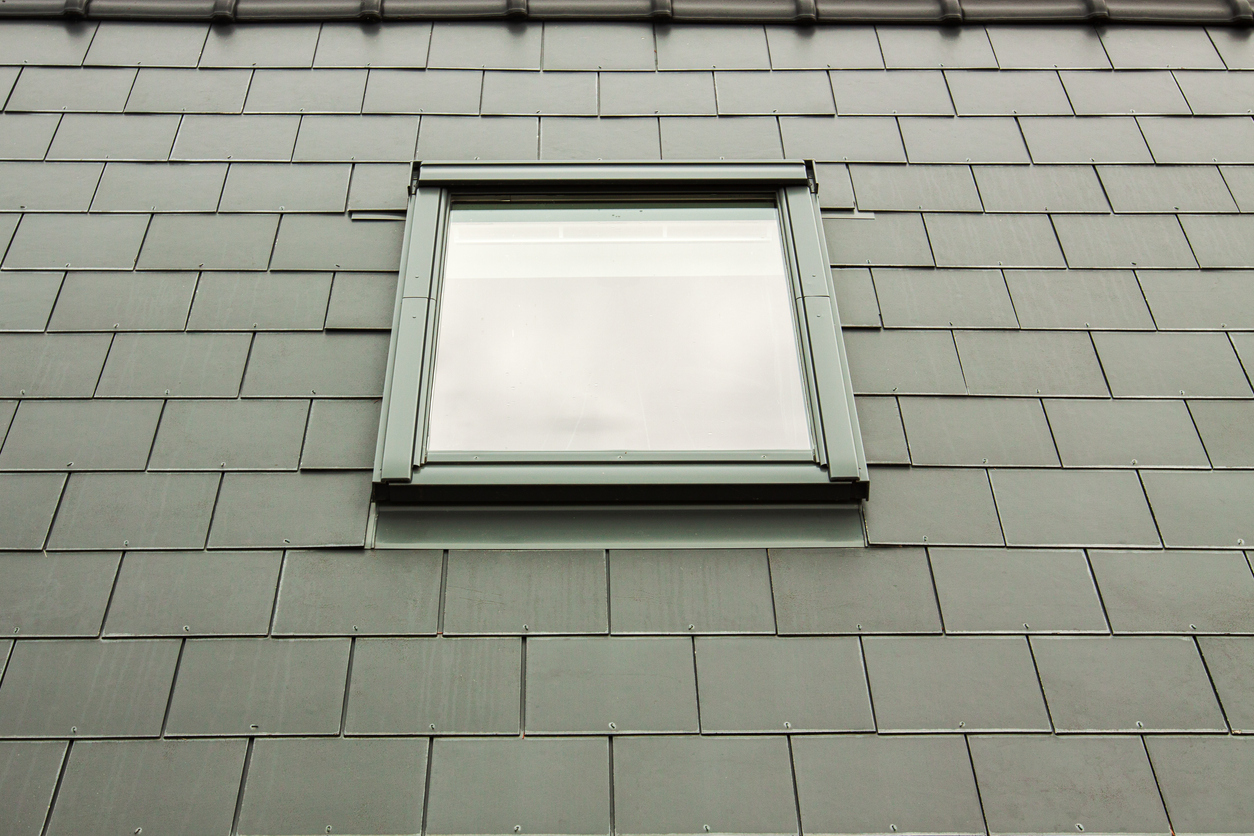
Many roofing issues don’t begin in the middle of the roof – they often develop around the areas where vents, pipes, skylights and duct work for roof mounted air conditioners, pass through the roofing system.
“Roof penetrations are the most problematic areas,” Brandon said.
While these details may not be easy to inspect from the ground, it’s helpful to understand that these locations typically require extra attention during routine maintenance and professional inspections. Another common question is how often roofs should be checked. The answer depends partly on your surroundings.
“Anytime of the year is good for inspections, and again, if there are a lot of trees, then more inspections might be needed.”
Seasonal weather, falling branches, and accumulated debris can all impact a roof’s condition, making regular visual checks a smart habit.
Why professional roof inspections are important
Perhaps the most valuable piece of advice is also the simplest: leave roof inspections to the professionals. Expert roofers know how to spot subtle signs of wear that homeowners may miss, and they can safely access areas that aren’t visible from the ground. As a reminder, homeowners should avoid climbing onto the roof themselves.
By performing visual inspections from the ground, especially after storms, keeping an eye out for debris and damaged roofing materials, and scheduling professional inspections, homeowners can help extend the life of their roof while avoiding unnecessary safety risks.
A little preventative maintenance can go a long way toward protecting one of your home’s most important investments.
If you do find a leak inside your home
###
CONTENT PARTNER | PINNACLE ROOFING
 At Pinnacle Roofing, we believe quality workmanship starts with clear communication and honest assessments. Whether you need a full replacement roof or a minor repair, our team ensures the job is done right the first time—with no high-pressure sales tactics.
PODCAST
PHOTO CREDIT