

When it comes to home maintenance, one task that’s often overlooked – but critically important – is dryer vent cleaning. Many homeowners may not realize that keeping the dryer vent clean is not just about performance and efficiency; it’s a matter of safety. Neglecting this simple task can lead to serious hazards, including fire risk and even carbon monoxide exposure. Becky Derendal of Arizona Chimney & Air Ducts – a Rosie on the House Certified Partner – explains what homeowners need to know when DIY-ing their dryer vent maintenance.
Knowing where your dryer vents will help determine how to care for it.
The simplest dryer vent is from a dryer that is plugged and vented into an outside wall. This type of vent is short and does not generally need professional cleaning.
Dryer vents where the dryer is located next to an interior wall are more complicated and need regular professional cleaning.

- If the home is one story, the vent will go into the wall and up, through the attic and be vented out of the roof.
- If the home is two stories, the vent will go up the inside of the wall, bend at the top of the first floor and be vented outside on a side wall.
These vents can be up to 35 feet long. That is a lot of space that can get clogged with lint. Lint is formed from the humidity of the wet clothes and the fibers from the drying process. The damp lint sticks to the vent and then sticks to the existing lint, creating a hazard.
Why Regular Dryer Vent Cleaning Matters
Dryer vent maintenance is essential for three key reasons: safety, energy efficiency, and prolonging the life of your appliance. Lint, pet hair, and fabric softener residue can build up in the vent over time, especially in homes with frequent dryer use or pets.
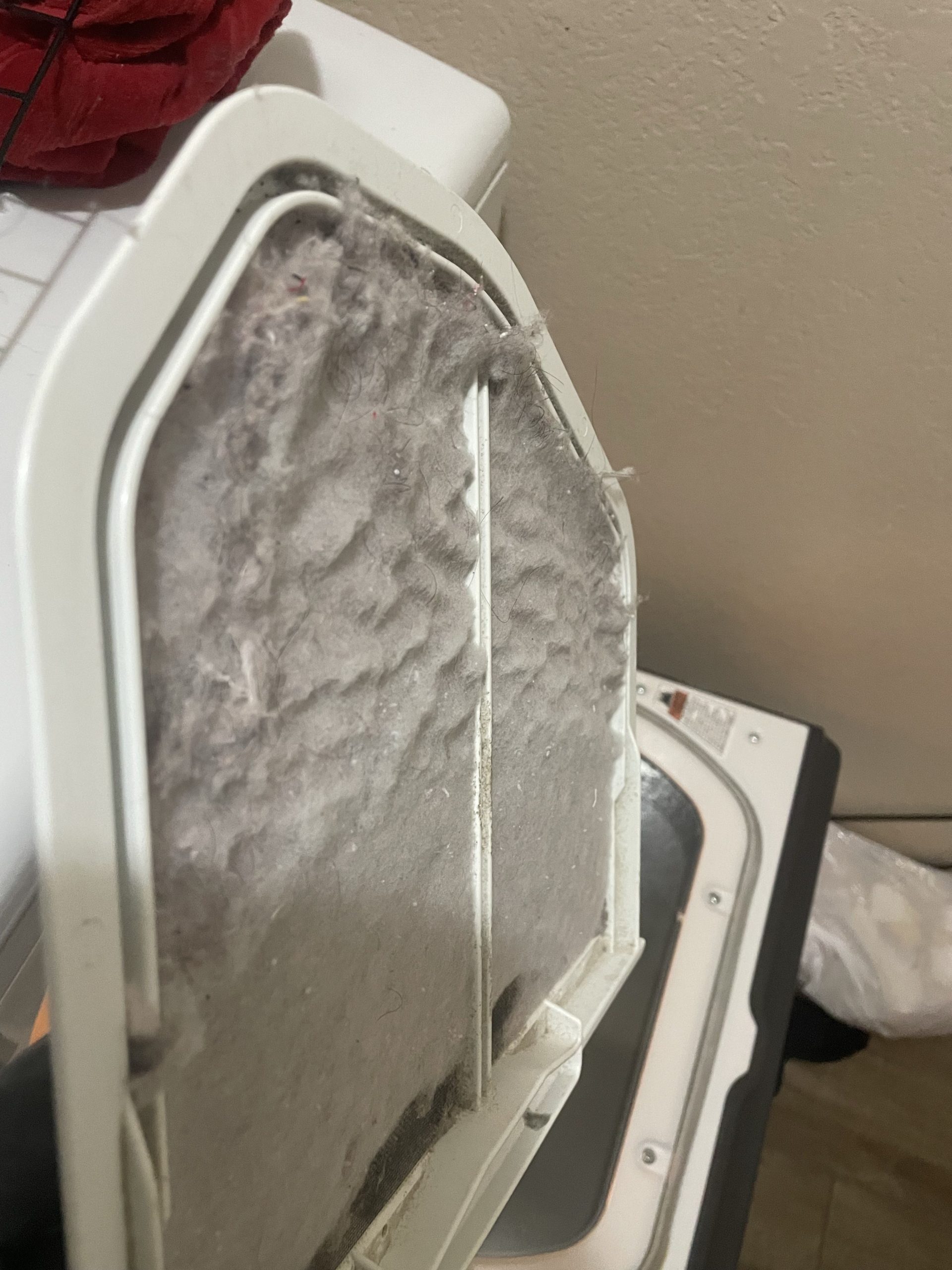
“The more often your household runs loads of laundry – particularly items like cotton towels and bedding – the more often you’ll need to clean the vent,” Becky said.
**TIP:Be sure to clean your lint trap from the dryer EVERY time you use the dryer. This will help cut down on the amount of lint that enters the vent.
Other factors influencing cleaning frequency include the length of the vent, the number of bends, and whether the venting path allows lint to escape freely. In general, dryer vents should be cleaned every one to three years.
“If you notice signs like longer drying times, a burning or foul smell, heat radiating from the top of the dryer, lint buildup inside the dryer screen area, or poor airflow at the exhaust outlet, it means cleaning is overdue,” Becky said. “In newer smart dryers, built-in sensors may even shut off the dryer if they detect a blockage.”
Hidden Dangers and Common Installation Mistakes
A clogged dryer vent is one of the most common—and preventable—problems in residential homes. It’s also the leading cause of dryer-related fires. According to the U.S. Fire Administration, nearly 3,000 home fires each year are caused by clothes dryers, with failure to clean the vent being the primary culprit.
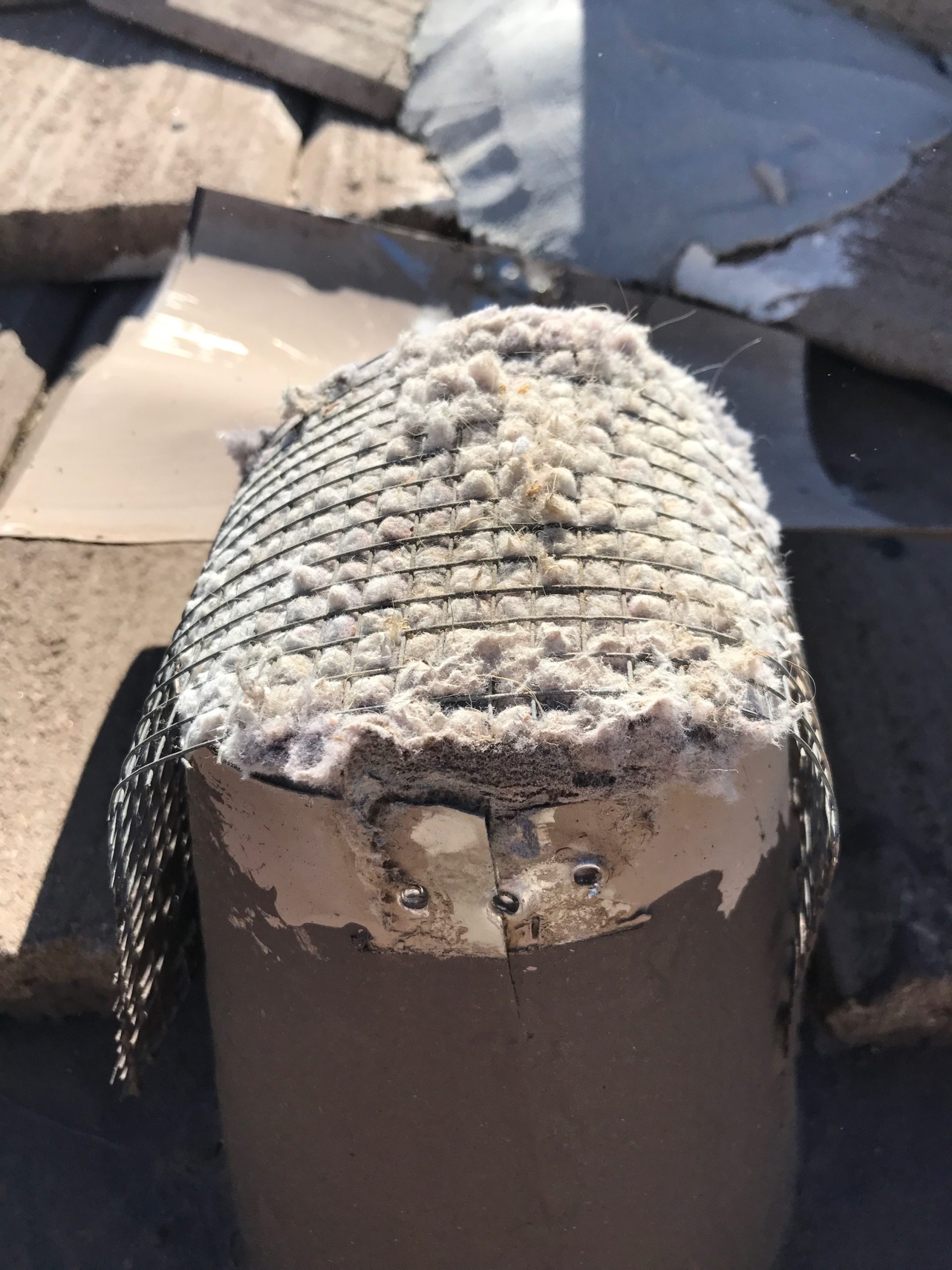
- “A clogged dryer vent is the most frequent issue and the leading cause of dryer fires. Which is basically a lack of maintenance, as no one’s dryer vent should ever be clogged,” Becky said. “Often we see screens over the vent on the roof to keep rodents out – this is the worst thing you can do, as the screen clogs quickly with lint because it cannot escape, causing your dryer to overheat and catch fire.”
- Another frequent issue is the use of the wrong duct materials. Building codes in most areas call for 4-inch rigid metal ducting, but many homes still have flexible plastic or foil hoses. Plastic and foil can tear, sag, and trap lint far more easily, and they’re often found improperly installed in attics or crawl spaces.
So what’s the ideal setup?
“Homeowners should ensure their dryer vent is installed with a short, straight path to the outside using rigid or semi-rigid metal ducting – never flexible plastic or foil, which can trap lint and pose a fire hazard,” Becky said. “The vent should exit outdoors, not into attics, crawl spaces, or garages, and the exterior termination should have a backdraft damper but no screen so you can avoid any kind of clogging.”
Inside, the connection between the dryer and the duct should be secure and sealed with metal tape, not screws – those can catch lint. The entire system should be easy to clean, and airflow at the exterior vent should feel strong when the dryer is running, indicating minimal restriction.
###
Homeowner Handbook | #DryerVentMaintenance
PODCAST
Original Broadcast Archive Page With Expanded Content
PHOTO CREDIT
- Arizona Chimney and Air Vents