
There’s a moment in almost every DIY project when your confidence starts to wane, you start doubting your choices, you double and triple-check the numbers, etc. It usually happens somewhere between aisle 14 at Home Depot (or Lowe’s, or Ace… wherever you like to shop) and staring at two pieces of lumber that look identical but somehow cost different amounts.
A project starts simple enough – maybe you need a new side table, a mudroom organizer, or you’re finally tackling that accent wall you’ve had sitting in your Pinterest favorites for two years. You start to research, and you’re hit with phrases such as “moisture resistance, wood movement, dimensional stability,” and the question: “Why does this board cost three times more than this one?”
Thankfully, with websites like Family Handyman and local companies like Woodworkers Source, picking the right material doesn’t have to feel complicated – and there are plenty of people to help. Whether you’re building furniture, creating storage, or upgrading outdoor spaces, choosing the wood for your project doesn’t have to be a pain or go over budget.
Tables
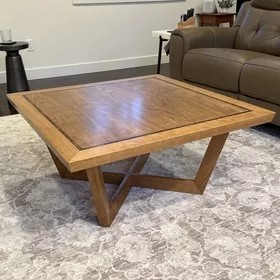
For many DIYers, the first “real” woodworking project isn’t a bookshelf or cabinet. It’s a table. Maybe it’s because tables are practical. Or because they can transform a room. Or maybe it’s because someone might ask where you purchased it, and you get to proudly say, “I built that!”
Tables are a popular DIY because there’s a version for every skill level. End tables and side tables make ideal beginner projects because they require fewer cuts, less lumber, and they help you learn basic skills like measuring, fastening, sanding, and finishing.
As confidence grows, many builders might attempt dining or patio tables, as well as multi-use furniture. Before you do that, you must select the right wood – because the choice matters.
“The best wood choice depends on different factors, including how the project will be finished, the expected level of wear and tear, and the overall style you are trying to achieve,” Lizzette Tarango and Mike Huber of Woodworkers Source said.
They recommend considering hardwoods like white oak, walnut, red oak, and maple for furniture because these species deliver durability while giving distinct looks depending on the finish and style you want.
Kitchen Islands
Kitchen islands are the center of the house: where meals take place, kids do homework, and where mail, keys, and phones find their resting place. The materials used for this congregating place are important because of the wear and tear that takes place there every day.
For butcher block countertops and heavy-use islands, hardwood remains the standard because softer woods simply don’t hold up as well over time.
“Things to take into consideration when picking out a type of wood are the hardness, dimensional stability, grain structure, wear resistance, appearance, joinery strength, and moisture resistance,” Lizzette said.
Maple is popular because it’s durable and resists deep knife marks. Walnut and cherry offer pretty aesthetics while maintaining strength. White oak provides moisture resistance and durability that are especially well-suited to hectic households.
Food-safe finishes are essential if you use your kitchen island to prepare food – and we all do, right? The right materials here aren’t just about appearance – they’re about surviving years of daily use. With that in mind, the choice of wood has to support both function and style.
Wainscoting
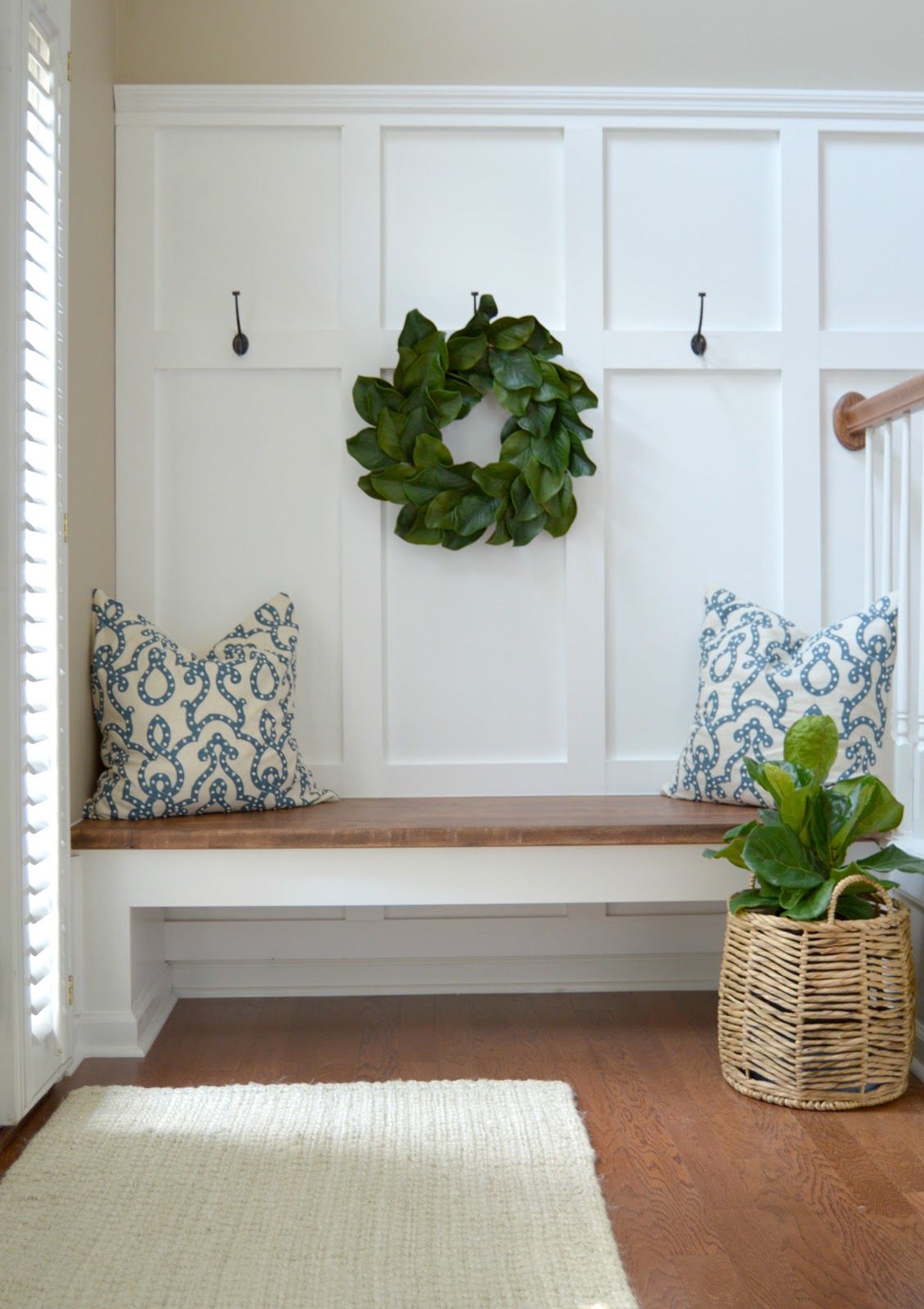
Wainscoting is one of those projects that looks intimidating until you realize much of it comes down to measuring and being patient. If you’re an impatient person? Call a Rosie on the House Certified Partner – they’ll take care of it.
Whether you choose board-and-batten, shaker panels, beadboard, or raised-panel styles, wainscoting offers a substantial way to transform a room.
Medium-density fiberboard (MDF) remains one of the most beginner-friendly options because it’s affordable, smooth, easy to paint, and widely available in pre-primed form. Plywood offers additional durability and moisture resistance, while solid wood provides premium aesthetics but requires more planning because wood expands and contracts naturally.
Lizzette and Mike point out that choosing indoor materials should always come back to how the project will function, how much wear it will experience, and the finished look you want. With those priorities in mind, the choice of material becomes much easier.
Mudrooms and shelves
Few projects improve daily life faster than adding storage where shoes, backpacks, jackets, and sports equipment naturally pile up.
Most DIY mudrooms begin with base cabinets or bench seating, then add cubbies, hooks, and shelving because these spaces experience constant use, and durability matters.
Plywood often works best for structural pieces because it balances strength and affordability. MDF is used for trim and paneling because it’s easy to paint. Pine and poplar provide good options for bench tops, face frames, and decorative elements.
Mudrooms deal with water, dirt, mud, leaves, dust and whatever mystery substance your kids or pets might track in from outside. Is it mud? Is it sap? Is that a bug!? We’ll never know, but at least your shelves can handle it – if they’re set up correctly. That’s why the material choices matter so much.
“For built-in shelving, strength and longevity can be improved by using techniques such as vertical partitions, hidden steel reinforcement, and face frames,” Lizzette said.
Even strong woods can sag under enough weight over time. Solid hardwood shelves generally do better than particleboard or thinner softwoods, while additional support systems often matter more than simply buying thicker lumber. The strongest shelf in the world still struggles if it spans six feet unsupported. In other words, don’t forget the supporting materials!
Patios and decks
Contrary to appearances, many outdoor projects are surprisingly approachable. Building picnic tables, umbrella stand tables, and benches with built-in storage sets depends on straightforward construction and dimensional lumber.
The big challenge for Phoenicians is making sure your deck can survive heat, monsoons, and sun exposure. Building a deck feels ambitious, but it becomes much more manageable when you focus on materials that can survive the elements.
“Structural framing almost always starts with pressure-treated lumber because it resists moisture, insects, and decay while providing strength for long-term support. For outdoor applications such as decks, cedar and redwood are both excellent choices,” Lizzette said.
Prioritize weather resistance first, because replacing or re-staining deck boards after a few seasons is a lot less fun than building the deck in the first place. Composite decking has become popular for homeowners who want minimal maintenance and maximum longevity.
Composite materials are made by combining wood fibers, such as sawdust or wood particles, with plastic or resin. These materials improve durability and weather resistance compared to traditional lumber. Some are wood-plastic blends that still contain real wood fibers, and some are synthetic materials created to mimic the look of wood. The similarity is that they are all affordable, prioritize durability, and require less maintenance, especially for outdoor projects like decks. Splinters? Rot? Fading? Not with composite materials!
Treehouses
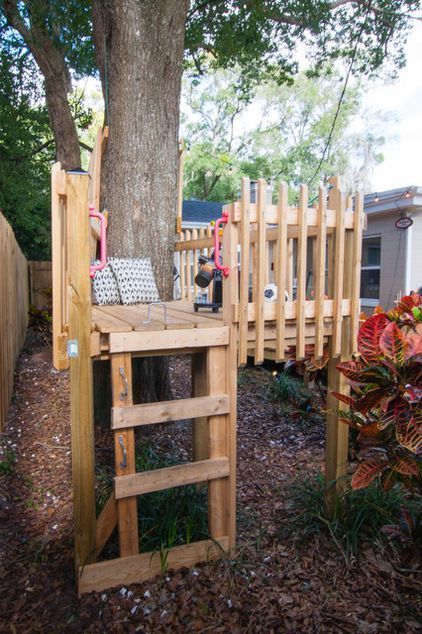
Building a treehouse occupies a special category of DIY because it hits you right in the nostalgia…but it can also test your patience.
Before buying materials, start with the tree itself. Healthy hardwood species with strong trunks and established roots create the safest foundation. Builders often recommend oak, maple, or fir trees because they provide strength and stability. From there, focus on support systems. A solid platform matters, and the framing should follow.
Pressure-treated lumber works best for framing because it handles weather exposure well. Exterior-grade plywood is commonly used for flooring and walls, while cedar and redwood are good choices for trim and decking.
Galvanized or stainless-steel fasteners won’t corrode, and specialty attachment bolts are used because trees move, sway, and continue growing. Your tree will absolutely remind you that it’s alive by shifting slightly after you’ve spent three hours leveling a platform.
A few notes
There are dozens of species, grades, thicknesses, finishes, and labels when it comes to crafting with wood. Most beginners assume experienced woodworkers simply know everything. They don’t – they’ve made mistakes, too! Mike and Liz say that there are three questions to help simplify the process.
“Will anyone see it? Does it need to be strong or decorative? Is it indoors or outdoors?”
Visible projects deserve better appearance grades. Outdoor projects require moisture resistance. Heavy-use furniture needs durability. Decorative trim can value affordability. In Arizona, wood movement differs due to our dry climate and strong UV exposure – and Liz mentioned that termites and heat can affect both the wood and the finish.
If you have questions, ask! That’s an important first step. Questions lead to better choices, and better choices usually lead to fewer emergency trips back to the store. Learn more at woodworkerssource.com.
###
Homeowner Handbook | #RightWoodRightProject
PODCAST
PHOTO CREDIT
- Woodworkers Source