
Arizonans know their air conditioners work overtime during the summer. Grueling temperatures, dust, monsoon storms, and rising humidity all put extra stress on these systems, making regular maintenance more important than ever. Air conditioners do more than simply cool the air – they’re also responsible for controlling indoor moisture, indoor air quality, improving comfort and helping keep energy bills in check.
Understanding how an air conditioner works can help you make smarter decisions and potentially avoid expensive repairs during the hottest months of the year.
Monsoon season brings more than rain.
When storms roll into Arizona, the increase in humidity creates additional work.
“As an air conditioner removes heat from air, it also collects the moisture,” said Carisa Knight of Knight Air Conditioning, a Rosie on the House Certified Partner. “That moisture has to drain away from the coil.”
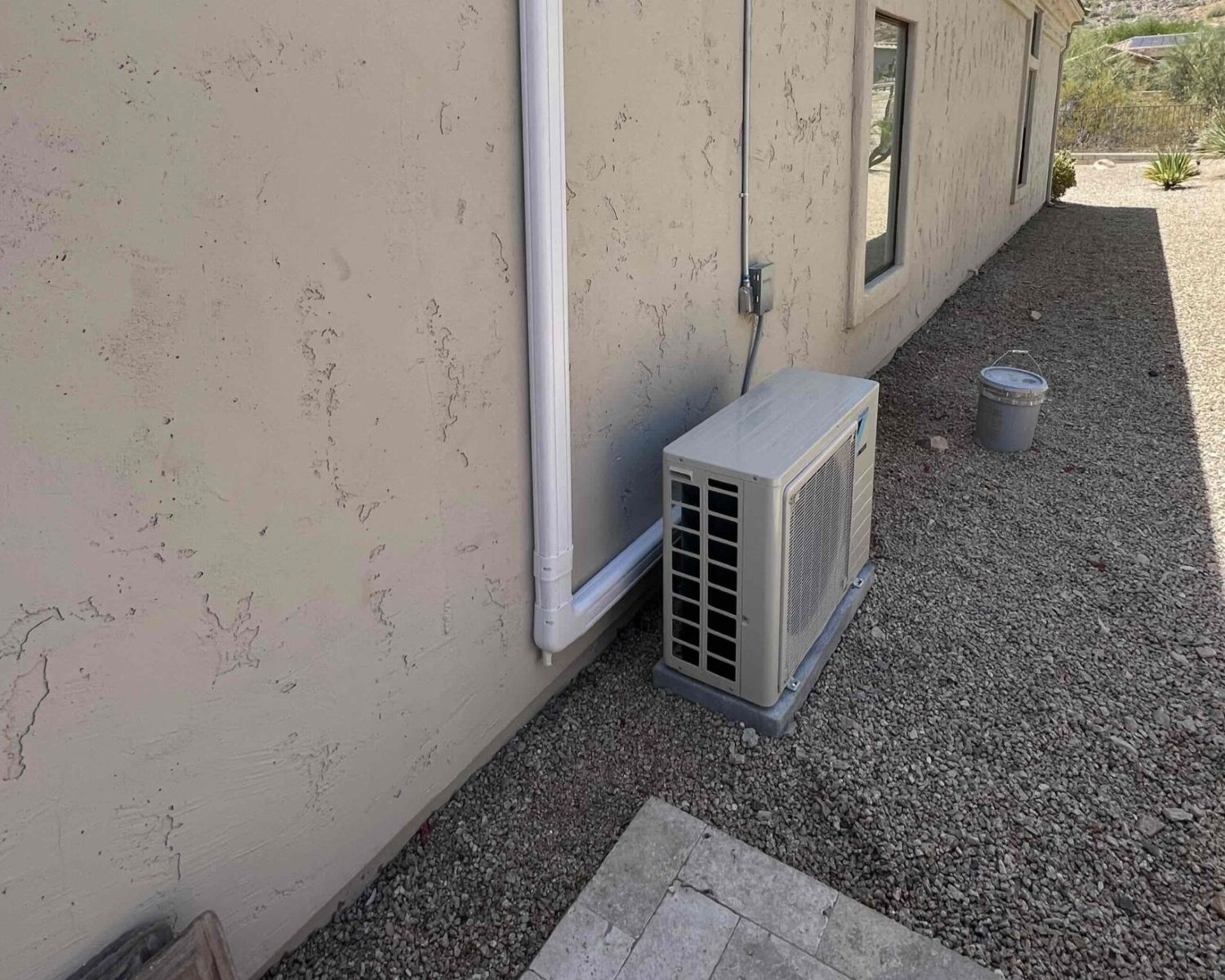
Knight said to watch for water dripping out of the drainpipe – this is a good thing. If the humidity is high and your drainpipe is dry, call for maintenance.
“You may have a clogged drain. Water can back up into the drain pan and spill over, causing damage,” she said. Consider turning the system off for a short time while you get the drain unclogged or water damage could occur.
A clogged condensate drain might seem like a minor issue, but it can cause water damage in your home if left unchecked. During routine maintenance visits, technicians flush these drain lines to make sure moisture flows properly before problems develop. Humidity naturally creates more condensation, but it isn’t always the only culprit.
“Excess condensation can also be caused by an incorrect refrigerant charge,” Knight said. “This is also something we check during regular maintenance.”
Refrigerant levels affect how efficiently an air conditioner removes both heat and moisture. Too much or too little refrigerant can reduce performance, increase wear on the system, and even shorten its lifespan. Because refrigerant issues require specialized equipment and training, they’re best left to licensed HVAC professionals during scheduled inspections.
Understanding high-efficiency air conditioners
If you’ve shopped for a new cooling system recently, you’ve probably heard the term “high-efficiency air conditioner.” While higher efficiency generally means lower operating costs, today’s systems achieve those savings through several advanced technologies. One of the biggest innovations is the variable-speed air conditioner.
Unlike traditional single-stage systems that are either fully on or completely off, variable-speed equipment adjusts its output based on your home’s cooling needs throughout the day.
“The machine has the ability to use the lowest speed to achieve and maintain the desired temperature and ramp up to the maximum capacity only, when necessary,” Knight said.
Translation: it uses the least required energy, keeping electricity use and costs to a minimum. Instead of repeatedly blasting cold air and shutting off, these systems operate much more gradually. This means longer run times at lower speeds, and, according to Knight, it requires getting used to because it doesn’t cycle like a traditional system.
For homeowners accustomed to hearing their air conditioner turn on and off throughout the day, the nearly continuous operation of a variable-speed system can seem unusual at first. In reality, that steady operation is exactly what makes it more efficient.
Comfort beyond lower energy bills
Lower utility bills are often the headline feature of high-efficiency equipment, but comfort improvements can be just as significant.
“The biggest benefits of a variable-speed AC system? Energy savings,” Knight said.
Those longer operating cycles also create a more consistent indoor environment. Regular systems cool the house quickly before shutting off, allowing temperatures and humidity levels to rise again and can lead to hot and cold spots in the house until the next cooling cycle begins. That constant fluctuation can leave rooms feeling clammy, especially during humid monsoon seasons.
Longer run times allow for more consistent temperature and humidity removal. Knight explained that this is because the machine is working to maintain temperature and humidity rather than producing a “big swing during a shorter cycle,” as a traditional system would.
The result is a home that feels more evenly comfortable from room to room while reducing that sticky feeling humidity can create, even when outdoor temperatures remain high.
Is it time to replace your AC?
One of the biggest questions homeowners faces is whether to repair an aging system or invest in a replacement. There’s no one-size-fits-all answer, according to Knight.
“We look at three major factors to help clients with this decision:
- The age of system
- The cost of repair
- The type of repair needed
We are usually in favor of making a mechanical repair, even in an older system – think capacitor or motor.”
The system’s age indicates whether any parts are past warranty coverage and the likelihood of further costly repairs in the near term. Not every repair automatically means replacement,
however. Simple mechanical repairs are often cost-effective and can extend the life of an otherwise dependable system. More complicated repairs require a closer evaluation.
“When we encounter a repair involving refrigerant or major components – think coil or compressor – we consider individual situations carefully,” Knight said.
Replacing a compressor or evaporator coil can be a significant investment, especially for older equipment nearing the end of its expected lifespan. In those cases, homeowners should weigh repair costs against the long-term energy savings and improved reliability a new high-efficiency system may provide.
Small steps = big difference.
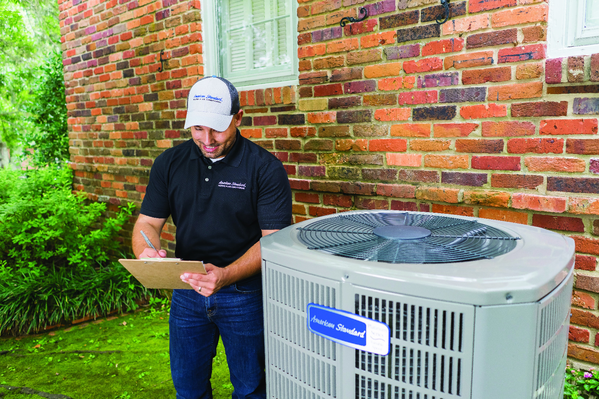
While today’s air conditioners are sophisticated machines, families can still do a few simple things to help them operate efficiently. Knight recommends starting with regular maintenance. Routine inspections allow technicians to clean components, verify refrigerant levels, inspect electrical connections, flush condensate drains, and identify any issues.
Equally important is one of the easiest maintenance tasks homeowners can perform themselves: change your filters regularly.
A clean air filter allows unrestricted airflow, helping the system cool more efficiently while reducing unnecessary strain on the blower motor and other components. Dirty filters force the equipment to work harder, increasing energy use and potentially shortening the system’s lifespan.
Arizona summers are demanding on every air conditioner, but a little care can make a noticeable difference in both comfort and reliability. Monitoring your condensate drain during humid weather, replacing air filters regularly, and scheduling seasonal maintenance all help your system perform at its best when temperatures climb.
And if your current air conditioner is aging or requires increasingly expensive repairs, it may be worth exploring whether a newer high-efficiency or variable-speed system could provide better comfort, lower energy costs, and greater peace of mind for years.
*Monsoon tip: In monsoon season it is important not to leave the fan motor to the AC unit in the manual ON position as this makes the unit work much harder. The AC’s job is to remove humidity from the house. The fan, left in the manual ON position will return the humidity back into the house causing the unit to work harder.
###
CONTENT PARTNER | KNIGHT AIR CONDITIONING, INC
 A Residential and light Commercial HVAC company, Knight Air Conditioning, Inc. has 45 years of exceptional service experience. From HVAC basics like seasonal tune ups to more complex projects such as total system replacement, we’ll do the job right. Let us show you why our happy Customers refer us to friends and family!
PODCAST
Shocker! Air conditioners do not produce cold air. They remove heat! You’ll get an introductory level class course on the mechanics and science of comfort with ‘Professors’ Chuck and Carisa Knight of Knight Air Conditioning. From the latest refrigerants, the one, two and variable stage units to the correct indoor humidity and more. They really do have the coolest customers in town!
Broadcast Archive Page With Expanded Content
PHOTO CREDIT
- Shutterstock