
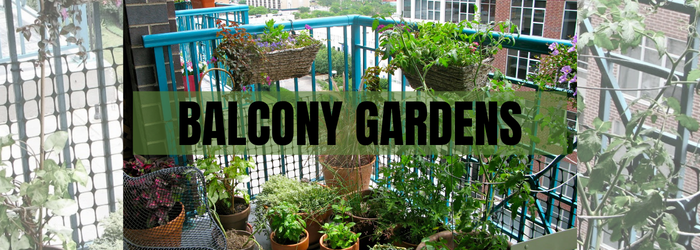
Think you need a large backyard to have a garden? Think again: A sunny balcony, patio, or courtyard can become a bountiful garden with the right containers and greenery. A few Valley growers came together to help readers get started – here’s what you need to know:
CITRUS
Kevin Erdmann, master gardener at Berridge Nurseries, said that because of the urban heat island, growing citrus in containers has become a little trickier – but not impossible, as long as you have the proper container size, drainage, and watering and feeding schedules.
Fresh from the nursery, trees should be planted in a container no more than four inches wide and inches deeper than the pot that they are in.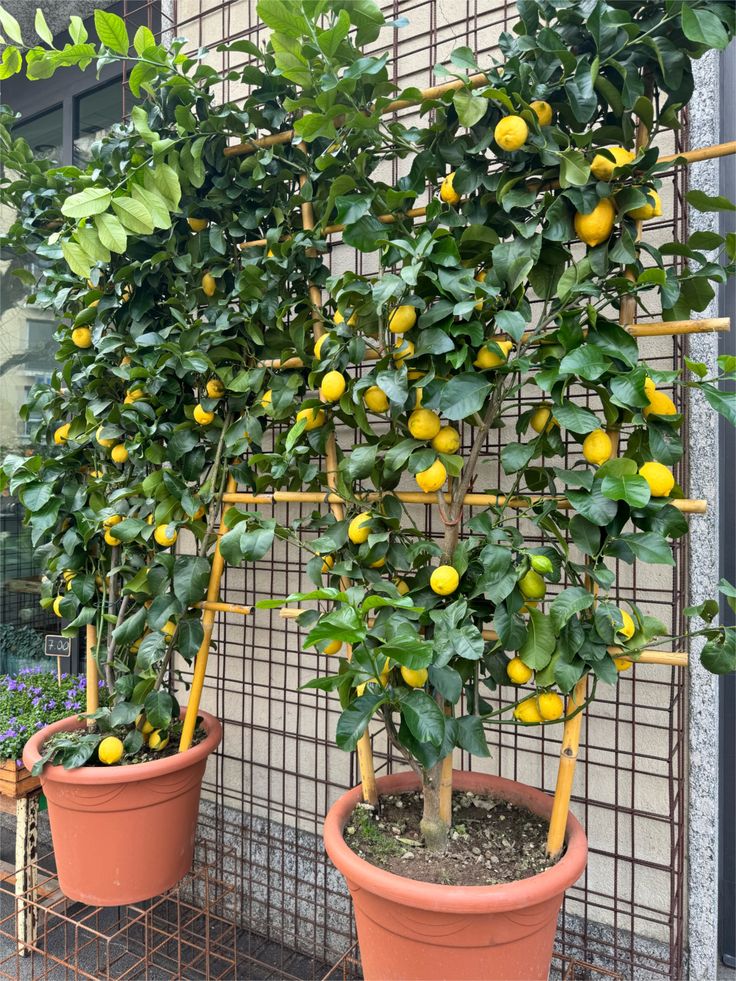
“You can cheat and plant a little larger if you plant flowers around the edge to use up excess water. Too big a pot will encourage root rot and delay blooming and fruiting,” he said.
Repot every two to three years until the tree reaches the largest container you can manage. Dwarf citrus will eventually need a container 24 inches wide by 18 inches deep.
“You’ll need several drainage holes in the bottom, or one big hole in the middle, for terracotta pots,” Kevin said. “Do not put gravel in the bottom. That’s something that we used to recommend, but we have discovered that it has the opposite effect.
Cover drainage holes with a coarse screen, then fill the container from top to bottom with the soil mix. If you have to use a saucer, empty it within 15 minutes of watering. When repotting, use a fast-draining soil. Raise pots off pavement, gravel, or soil by placing them on bricks or pot feet to keep the holes unobstructed and prevent roots from growing into the open ground.
In the summer, the soil will need to be saturated every day, or every second day for large containers. In winter, water about half as often. Don’t be stingy! The only way to be sure that water reaches all of the roots is to pour ample water on top and let the excess drain out.
There are a few things to avoid, and these come from Jay Harper of True Organic Products:
“Your biggest mistakes would be using too small of a container, not using a quality potting soil, lack of drainage, and under-fertilizing,” he said. “Containers have limited soil for nutrient retention, and they get watered frequently, so nutrients leach out rapidly. Use a highly water-soluble fertilizer or a time-release product for containers!”
VEGGIES
You don’t need a patch of land to grow vegetables. As long as you can provide enough light, space, and water, even a small area can support a productive container garden. Different plants have different watering needs, so you can manage them separately – plus, containers make weeds and certain pests easier to manage.
Vegetables like carrots need enough space for their roots. Tall plants such as tomatoes need a container deep and wide enough to anchor them. Make sure you have a stake or trellis for support – think vertically, says Justin Rohner of agriscaping.com.
Vertical gardening maximizes growing space by helping plants grow upward rather than outward. Trellises are one of the simplest ways to do it. Vining plants such as cucumbers, zucchini, and melons can climb sturdy supports, and heavier fruits can be supported with “hammocks” as they develop.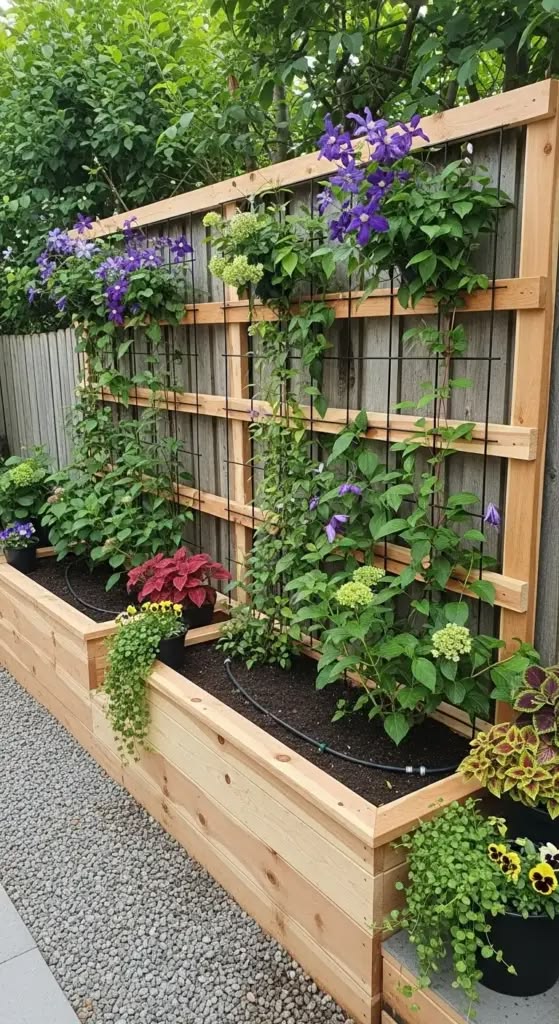
You can even angle a trellis outward to create a shady area, with room underneath for shade-loving plants. Climbing plants can also help shade walls and reduce heat exposure, creating a cooler microclimate beneath the foliage.
Options range from triangular trough systems and garden towers to stackable modular planters and hydroponic towers. Automated slow-watering systems can provide steady moisture without flooding. Hydroponic towers grow plants in nutrient-rich water rather than soil and recirculate that water – a good call for Arizona gardeners.
When it comes to a feeding schedule, Kevin explained that because container plants use so much water, they like frequent light feeding, slow-release or time-release food.
“I suggest fish emulsion every two weeks in the summer and once a month in the winter. Espoma Citrus Tone once a month February through November,” he said. “Osmocote plant food, Harvest Gold Organics silica supplement (which helps root growth and drought and heat tolerance), and earthworm castings for repelling pests and diseases are all beneficial.”
FLOWERS
If you’re just looking to make your space more colorful, go with flowers. Container gardening makes it easy to add fragrance, texture, and blooms to a patio, porch, or balcony without committing to a permanent garden. Consider perennials like daylilies and dwarf hostas.
Annuals like begonias, coleus, marigolds, nasturtiums, pansies, petunias, snapdragons and sweet alyssum are also lovely choices, but Jay and Justin said that growing annuals or vegetables in the summer in containers is a difficult venture.
Keep drainage in mind. Excess water can hurt roots and encourage problems caused by standing water, so check holes periodically to make sure they aren’t blocked.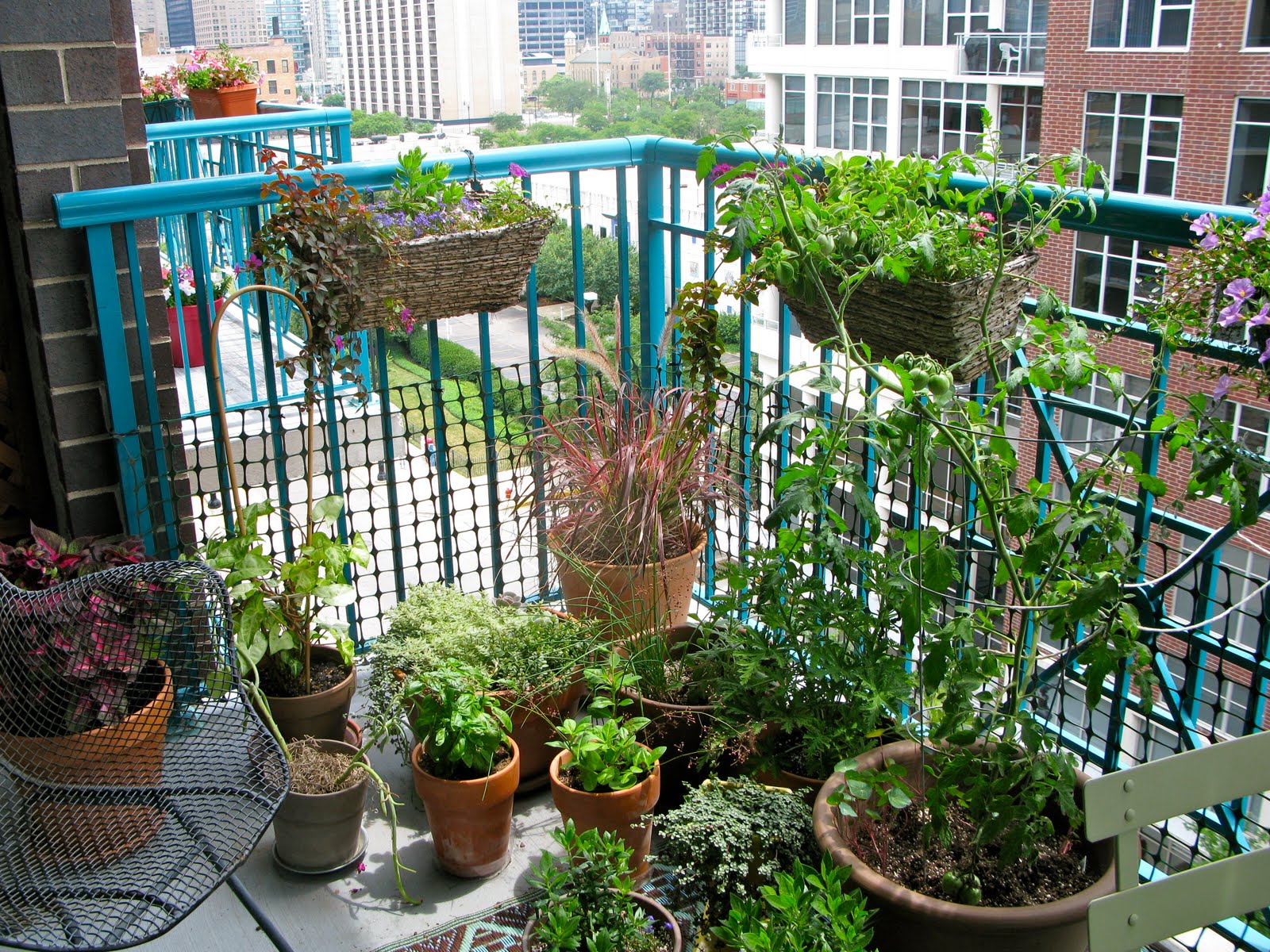
“Locations can vary, but adequate sunlight is needed for just about anything. Keep in mind space requirements and if access is needed to harvest, etc.,” Jay said. “Also remember some trees and pots can get heavy – make sure they are where you want them before filling and planting!”
“It’s important to water regularly, and water deep and slow,” Justin said. “We recommend Agriscaping water blankets for larger containers or one-gallon-per-hour emitters for smaller ones to be sure the soil never shrinks from the edges where water might divert away from plant roots or become a hiding spot for crickets and cockroaches.”
Once you’ve chosen your container, plant, and location, the process is straightforward. Combine different heights, textures, and colors, or create a collection that you can switch throughout the year – it’s almost time to bust out the holiday décor, and that can include your balcony or patio garden.
Put the container where you want it and make sure it gets the right amount of sunlight. Keep the soil moist, fertilize accordingly, and watch how your plants respond. Turn your space into a miniature citrus grove or fill colorful pots with flowers – the beauty of container gardening is that you can make it yours, one little plant at a time.
###
Homeowner Handbook | #BalconyGardens
PODCAST
PHOTO CREDIT
- Agriscaping