
When those familiar but ghastly triple-digit temperatures roll into the Valley, water becomes the number one way to escape the heat – but water activities come with a serious responsibility.
What’s scary is that most drownings and near drownings happen quickly, quietly, and right in our backyards. In Arizona, water safety is a year-round concern. Safety is everyone’s responsibility in the home – from how you supervise to how you maintain your pool.
Reports from Valley news stations tell us that by mid-June in 2024, 32 child near-drownings and 13 fatalities had happened. In 2025, Arizona recorded 52 drowning deaths, including 8 children under the age of 5. And in 2026, there have already been reports of water-related accidents.
“I looked away for a second…”
“Pool safety in our state is high profile, especially for children under the age of four,” Jay Arthur, president of the Drowning Prevention Coalition of Arizona, said. “Because of the high number of backyard pools per capita in the country and the number of people who are driven to water to cool down in the heat, we have to have an aggressive, ongoing prevention engagement year-round. More than most other states.”
Arizona has the oldest, established, active drowning prevention coalition – at 38 years – in the U.S. Arthur said that without the continual vigilance of water safety advocates in our community, Arizona would have an epic drowning rate every year.
One of the most alarming patterns is how quickly it happens. Drowning is fast and silent. That means safety often comes down to everyday moments: a cracked door, a distraction, or the assumption that someone else is watching.
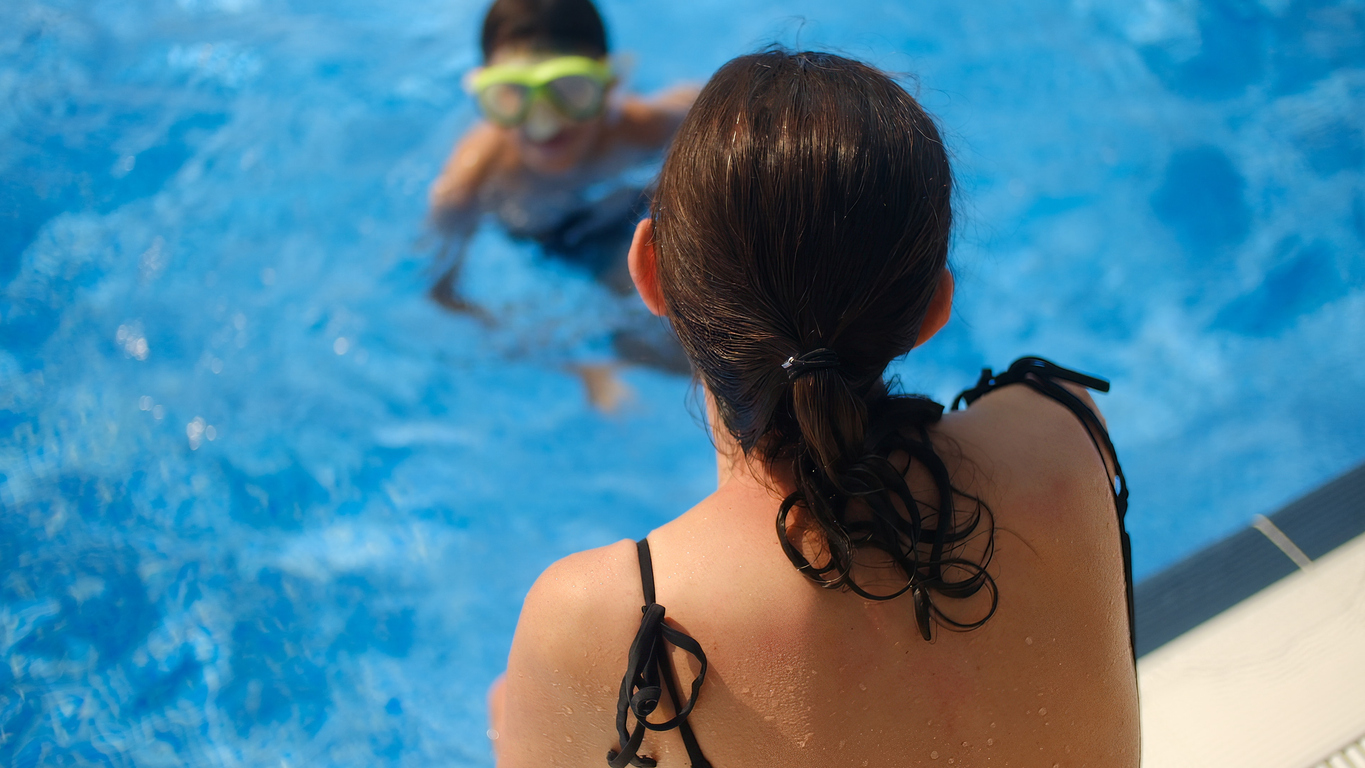
This is why the National Drowning Prevention Alliance recommends a “Water Watcher.” This person is a designated adult responsible for continuously supervising children in or near water, ensuring their full attention is always on the swimmers. This person should have no distractions – no phones, no multitasking. They should move around the area to keep an eye on blind spots and have a phone available in case something does happen.
“When you are assigned this responsibility, you need to make sure you have direct eye-to-eye contact with the children,” Arthur said. “We know an assigned watcher doesn’t want to do this all day and needs to go the restroom or get something to drink eventually, so we encourage the designated watcher to pass responsibility on to another approved watcher after 15 minutes and take turns.”
Swimming skills are essential.
Teaching children to swim is one of the most important steps a family can take. It builds confidence, encourages healthy activity, and can absolutely save lives. Especially in Arizona, there are plenty of organizations, including the YMCA and Parks and Rec departments, that offer swimming lessons to children as young as one year old.
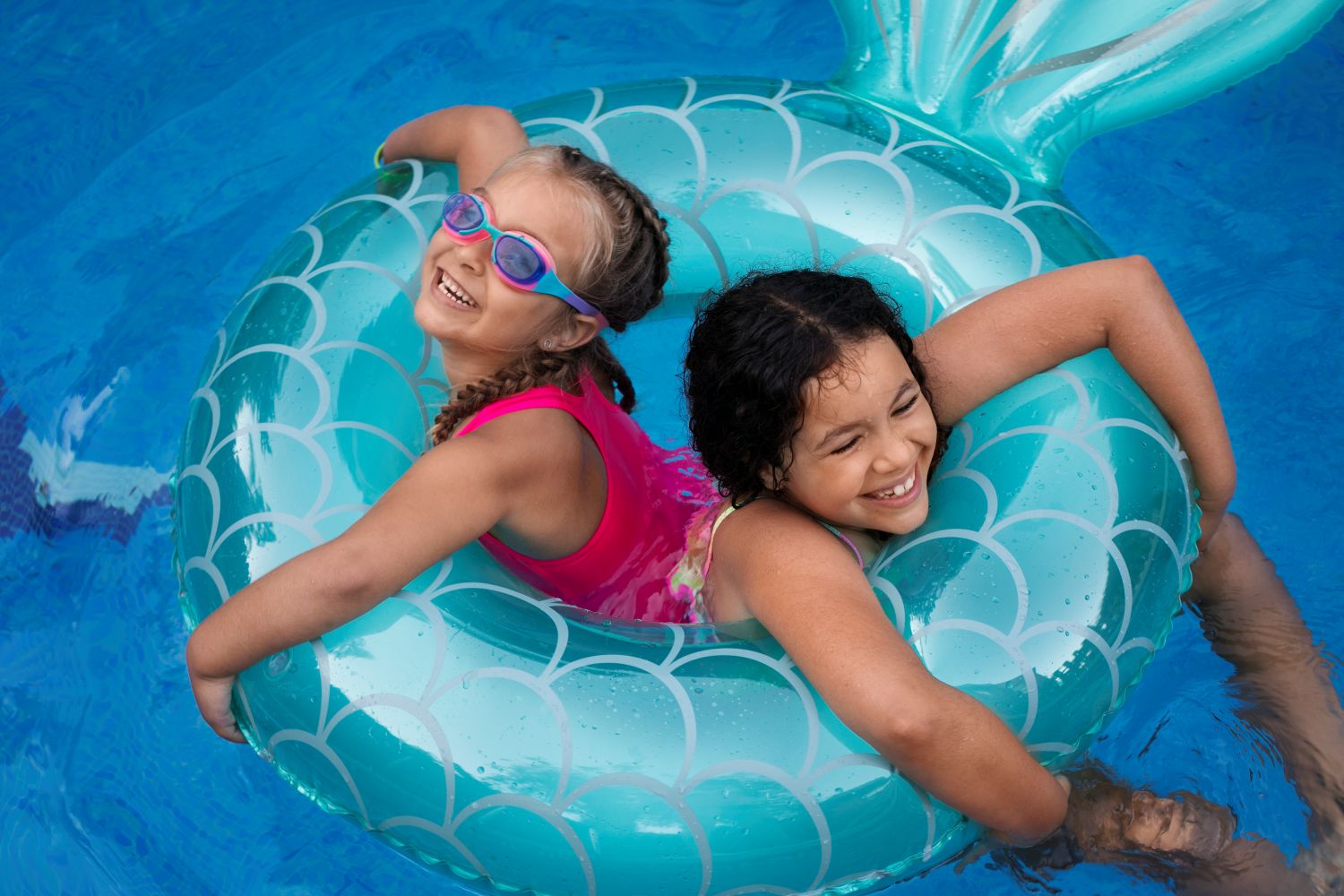
However, it’s important to remember that swimming skills are not a substitute for supervision. Even strong swimmers can panic, become tired, or encounter unexpected problems. For adults and teens, confidence can sometimes work against them. Overestimating ability, underestimating water conditions, or mixing swimming with alcohol or medications are all common contributing factors in water-related incidents.
Basic safety means avoiding swimming alone and always letting someone know before getting into the water.
Hidden dangers
When people think about pool safety, they often focus on drowning risks, but mechanical hazards can be just as dangerous. Pool drains and suction outlets, particularly in older systems, can create powerful forces that can trap hair, limbs, or clothing.
This is where compliance with the Virginia Graeme Baker Pool and Spa Safety Act becomes essential. Named after a seven-year-old girl who tragically lost her life due to suction equipment in a hot tub, the law requires anti-entrapment drain covers and other safety measures to be installed in all pools and Jacuzzis.
Modern drain covers are different from older versions. Instead of flat surfaces that can be fully blocked, newer designs are curved to prevent complete suction sealing. If your pool hasn’t been updated in a while, this is something to look into with a professional.
It’s also important to teach children a simple rule: stay away from drains. And for spa users, knowing the location of the emergency vacuum shutoff can make a life-saving difference.
Layers of protection
Safety experts often talk about “layers of protection,” meaning multiple systems working together to reduce risk. A properly installed pool fence is one of the most effective barriers. It should be at least four feet tall, non-climbable, and fully enclose the pool area. Gates should be self-closing and self-latching, with latches positioned out of reach of children.
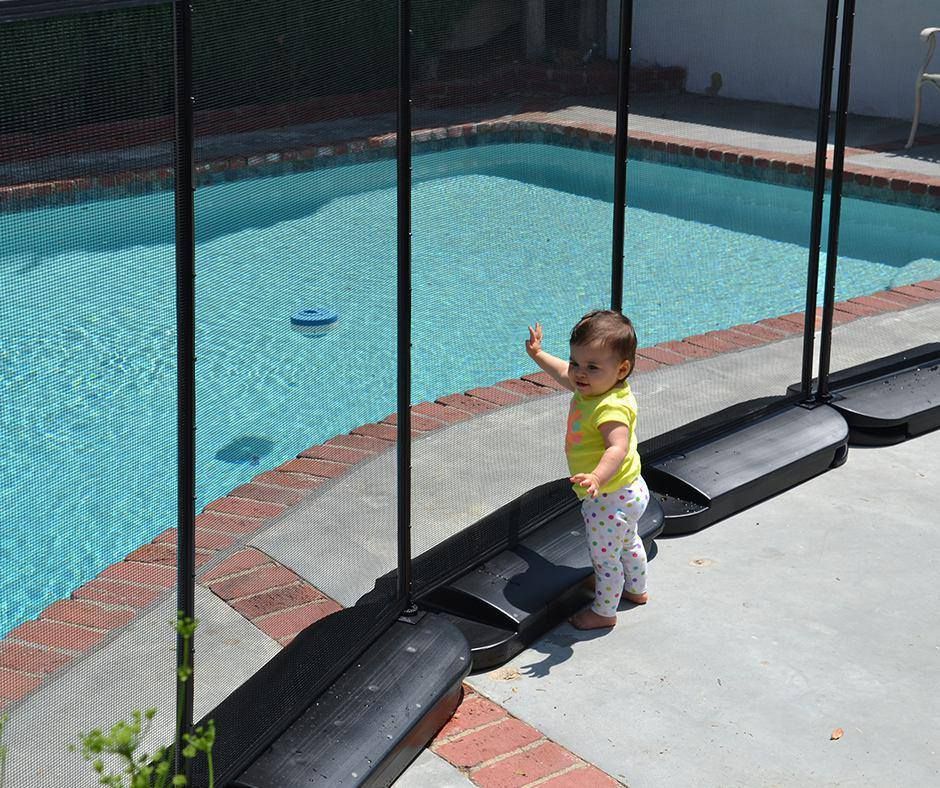
“One of the biggest mistakes we see is not having a properly maintained barrier and gate. Seventy percent of all child drownings under the age of four happen during non-scheduled swim times, and they get to the pool area through unsecured doors that lead to the pool and spa area,” Arthur said. “We need to have high locks and audible alarms on the doors that lead to the pool to stop this access.
Door alarms can alert homeowners when someone enters the pool area. Pool covers, when properly maintained and used, provide an additional level of protection. These measures help add a bit of time in case something – or someone – slips through the cracks.
In many drowning incidents, the first person on scene isn’t a medical professional; it’s a bystander. That’s why CPR training is so important.
Organizations like the American Red Cross offer accessible classes in CPR, first aid, and water safety. Knowing how to respond in those first few minutes can improve outcomes while waiting for emergency services. Keep in mind that techniques evolve, and staying up to date on your certification ensures you’re ready to act confidently if needed.
Risk factors for adults
It’s easy to think of drowning as primarily a childhood issue, but teens and adults face their own set of risks. According to the Drowning Prevention Coalition of Arizona, one of the most common factors in adult incidents is swimming alone.
There’s also a tendency to underestimate your environment. Water temperature, depth changes, and unseen obstacles can all create dangerous situations – especially in lakes and oceans. Alcohol is another major contributor. In hot tubs, in particular, the combination of heat and alcohol can accelerate impairment.
The rule here is straightforward: treat water with the same respect at every age. Swim with a buddy, stay aware of your surroundings, and avoid anything that could impair judgment or reaction time.
And for those vacationing at an Airbnb, the rules are the same, even if the protocol is different.
“Airbnb protocols differ in our state from city to city. Some cities have strict regulations on getting prevention information to occupants with the awareness of the dangers of the pool, but many don’t,” Arthur said. “We have been working hard to get this corrected and improved because we have so many out-of-state visitors who experience a drowning incident almost every year.”
Floatation devices and swimwear
Water wings are generally considered a safety device, but beware: it’s more of a false sense of security. While they may help a child stay afloat temporarily, they are not designed as life-saving devices and shouldn’t replace proper supervision or approved flotation.
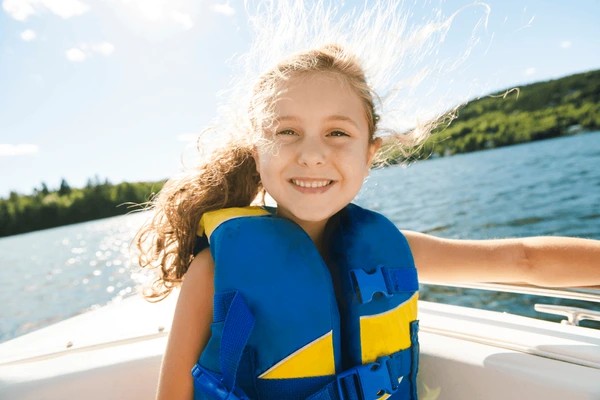
Life vests are a time-tested, reliable option, especially in open water settings. In Arizona, every person on a boat must have a U.S. Coast Guard-approved life jacket available, and children 12 and under, personal watercraft users, and anyone being towed must wear one. Many lakes and rivers offer loaner stations to encourage their use.
Visibility is another often-overlooked factor. Bright, high-contrast swimwear – think neon pinks and oranges – can make a significant difference in how easily someone can be seen underwater. Lighter colors and blues tend to blend into pool surfaces, making it harder to spot a swimmer.
Pool maintenance is an important aspect of safety as well.
Most people look at pool equipment and have no idea what it does. But pool maintenance plays a role in safety. Damaged or missing drain covers, malfunctioning equipment, or improperly balanced chemicals can all be hazardous.
If something looks off – like a loose grate or unusual water circulation – it’s worth checking out. Hiring a qualified professional ensures repairs and maintenance are performed correctly and in accordance with current safety standards.
Professionals with certifications through organizations like the Pool & Hot Tub Alliance stay up to date on evolving regulations and best practices, helping protect your pool and your family.
About those other bodies of water…
Arizona’s landscape includes lakes, canals, and other waterways that come with their own risks. Lakes, for instance, are not controlled environments. Depths vary, visibility is limited, and underwater hazards are common. Entering feet first and staying alert to changing conditions is key. Canals present a different kind of danger. Do NOT swim in canals – it’s as simple as that. Slick sides make it difficult to climb out, and strong currents can quickly pull someone under.
Even at home, everyday water sources can pose risks. Bathtubs, buckets, and toilets are all potential hazards for young children. Staying within arm’s reach during bath time, draining tubs immediately after use, and securing access points are small steps that make a big difference.
In Arizona, pool season never truly ends, so neither should your commitment to pool safety. Act now: install barriers, learn CPR, supervise swimmers, and maintain equipment. Each step you take adds a layer of protection for your loved ones. Visit preventdrownings.org or poolsafely.gov for more information.
###
Homeowner Handbook | #PoolSafety
PODCAST
PHOTO CREDIT
- Freepik
- Istock
- Shutterstock