
Spending time outdoors is part of everyday life when you live in Arizona, especially in the fall and winter when temperatures hit near-perfect. Those outdoor adventures – a morning walk around the neighborhood, an afternoon hanging out in the backyard, or an adventure on a local trail – are great for humans, and even better for pups.
But the desert environment also comes with a few hazards that pet owners should understand before letting their furry friends explore. Arizona Humane Society’s Kelsey Dickerson has some advice for identifying outdoor risks and making a few adjustments around the home to help protect our four-legged family members.
The desert isn’t pet-friendly
Wildlife, unfamiliar plants, and environmental hazards are among the things owners should watch for when spending time outside.
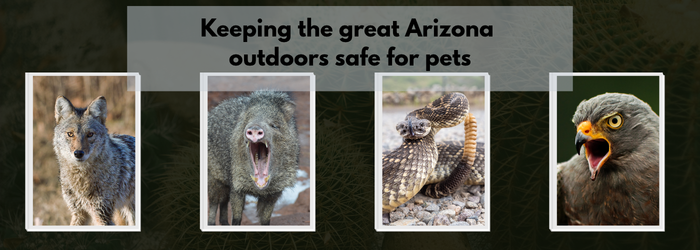
“Common outdoor dangers posed to our pets include animals – coyotes, snakes, birds of prey – common plants that pose either toxic risk or risk of hurting your pet such as cactus and foxtails, and environmental dangers such as Valley Fever,” Dickerson says. “However, the greatest outdoor risk for pets is extreme temperatures, especially the summer heat.”
Wildlife encounters may not happen every day, but they are worth preparing for. Coyotes, javelinas and snakes can all be found throughout the Valley, sometimes in residential neighborhoods and along popular walking paths.
When taking dogs for walks, keeping them on a relatively short leash gives owners better control over where they go and what they investigate. Dickerson recommends avoiding letting dogs wander too far ahead, particularly in unfamiliar areas.
“Wildlife attacks are relatively uncommon, but not unheard of,” she says. “While on walks with your pups, it is important to ensure they are on a leash that is not too long; this gives you control to keep your dog away from hazards such as javelinas on a pathway or snakes in a bush.”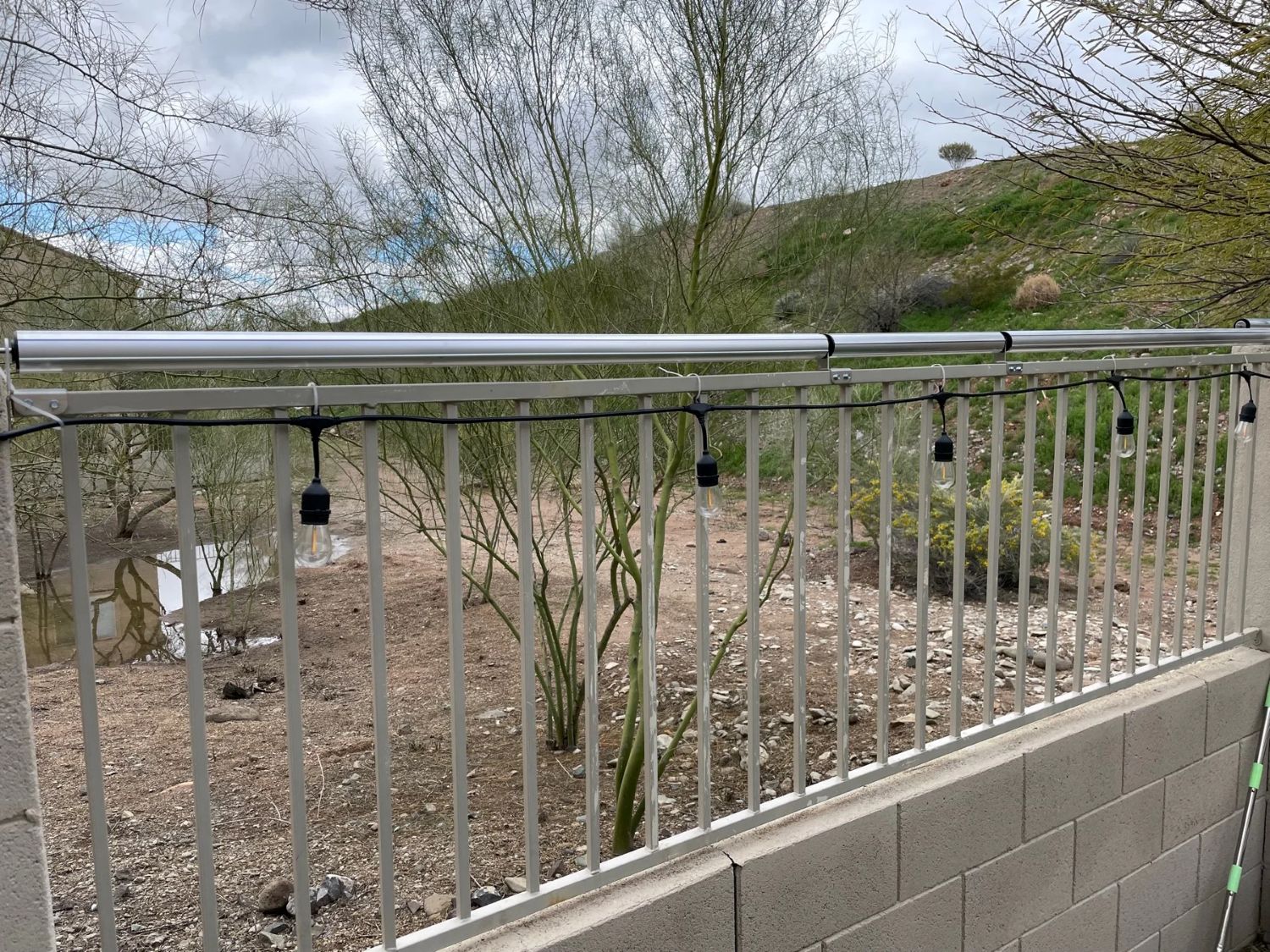
A walking stick can be useful when exploring outdoor areas, helping to create a barrier between a pet and a potential hazard or serve as a distraction while guiding the animal away from danger.
Another concern is landscaping around the home. Cactus and foxtails can cause painful injuries when pets brush against them or get plant material caught in their skin. Some desert plants have spines with barbed ends that can work their way deeper and possibly cause infections. Dog booties help protect paws from sharp plants, cuts and bruises, and hot pavement.
Homeowners should also pay attention to the plants they choose for their yards. Sago palms and oleander shrubs are common in desert landscaping, but both contain toxins that can be extremely poisonous to animals and humans if ingested.
“Clinical symptoms typically develop within 12 hours and may include vomiting, diarrhea, weakness, seizures, and liver failure,” Dickerson says.
Landscaping chemicals like insecticides, herbicides, rodent poisons and other pest-control products should always be stored somewhere pets cannot access them.
A note on those pesky coyotes
Coyotes have been a familiar sight throughout the Valley, and pet owners would do well to take extra precautions to discourage them from entering their yards by using deterrents like a Coyote Roller, a nonlethal fence-top system that works to keep predators out.
“The idea for Coyote Rollers came from a man named Rick Sorben,” VP Jared Bushman said.
“The most important thing to know is that it’s safe, humane, requires no electricity, and needs no maintenance. Additionally, all of our product is made right here in the USA.”
The company uses four-foot extruded aluminum tubes that spin when an animal tries to climb over a fence, preventing it from getting the traction it needs to make it across. Installation varies depending on the required length and the type of fence you’re installing on.
According to Bushman, it’s a fairly DIY-friendly product with detailed instructions. Those who choose not to install can hire any handyman; installation should take a day or less.
Motion-activated lights, sprinklers, and noise devices that startle coyotes and discourage them from approaching the yard are also good ideas.
“Other simple steps to prevent coyotes from entering your yard include throwing away trash, dog food, or any other food source that may attract them,” Bushman said. “Along with lighting, some people have used motion-activated sprinklers (front yard) to deter coyotes from hanging around their property.”
Scent-based repellents (like predator urine products) are another option, although their effectiveness may vary and they need to be reapplied regularly, particularly after rain. Just as important is making the yard less interesting to wildlife from the start.
Keep pet food and water bowls indoors, secure garbage cans, and remove fallen fruit or other food sources that could attract animals. If a coyote approaches, making loud noises or using a water spray can help encourage it to leave.
A secure fence, properly latched gates, and keeping an eye out for areas where animals could dig underneath are also important parts of keeping pets protected. Pets should always be supervised when spending time outdoors.
…and the creepy crawlies
Insects and other pests can also cause problems for pets, particularly those that spend a lot of time outside. Scorpions, spiders, and bees can all bite or sting animals. Keeping an eye on pets while they’re outside, in the garage, barn, or shed where insects might hang out, can help owners recognize a potential problem before it becomes a vet bill.
Preventive medications are important in pet care. Knowing what to look for: Symptoms vary by cause and severity but may include redness, swelling, itching, and limping. More serious reactions can involve hives, difficulty breathing, lethargy, or collapse.
“No matter if your pet spends a little or a lot of time outdoors, it is extremely important to keep them up to date on flea/tick and heartworm medications,” Dickerson says. “This will help keep furry friends safe from avoidable illnesses such as heartworm or tick fever.”
Pet owners should know the location of their nearest emergency veterinarian before an incident occurs. Dickerson also recommends keeping the ASPCA Poison Control phone number readily available in case a pet ingests something potentially dangerous.
Temperatures are important in every season
Summer heat is an obvious concern for pets – and you’d be surprised how many people need a reminder – but cold weather can be just as dangerous in the right conditions. When temperatures drop, pets still need protection. Cold weather exposure can lead to frostbite, hypothermia, and, in severe cases, death.
Dickerson recommends limiting outdoor time in colder weather and making sure pets have appropriate shelter and access to the indoors. Paw booties can provide additional protection, while pet-friendly sweaters may offer extra warmth for animals that need it.
Owners should also check paws for signs of winter-related injuries like cracking and bleeding. Cold weather brings another concern for pet safety: vehicles. Stray cats and other outdoor animals might climb underneath vehicles or into engine compartments to stay warm.
“Checking car hoods prevents accidentally hurting outdoor cats or other wildlife. Bang on the hood, honk your horn, and inspect under the vehicle before starting the engine,” Dickerson says.
In colder climates, road salts and ice-melting products can irritate or damage paws. Antifreeze and other automotive chemicals are dangerous and should always be kept out of reach.
Safety first, always
A backyard should be a place where pets can enjoy fresh air without us constantly worrying about an escape or unexpected visitor. Start with making sure the space is secure.
Frequently check the fence/concrete to make sure there are no gaps or holes. Soil erosion, landscaping, and digging can create openings that allow pets to squeeze underneath or attempt a great escape. Gates should swing freely, close without needing to be lifted, and latch securely, according to Dickerson.
Even a small issue with a gate can allow a curious dog to head out. Remove hazardous plants, secure liquids and chemical products elsewhere. Our outdoor season offers lots of time for pets and their people to enjoy time together. With a little planning, we can make sure those adventures are memorable for all the right reasons. Learn more at rosieonthehouse.com.
Sign up for our weekly email newsletter to stay up to date with weekly topics, pertinent YouTube Videos and more.
###
PODCAST
PHOTO CREDIT