
Unlike your kitchen sink or bathroom plumbing, a septic system is hidden underground, quietly doing its job, and when it fails, it can create a messy, expensive problem fast.
Understanding how your septic system works, knowing when to pump it, and adopting a few simple habits can save you stress and money in the long run. Jacob Mays of A-American Septic, a Rosie on the House Certified Partner, is here to break down everything homeowners need to know to keep their systems running smoothly.
When should you pump?
Let’s start with the basics: how often should you pump your septic tank? For most homes, the rule of thumb is every three to five years.
“This number depends heavily on the number of people living in the home and what they are sending down the drain,” Mays said. “Things like kitchen waste, ‘flushable’ wipes, and F.O.G. (fats, oils, and grease) entering the septic system will require more frequent maintenance.”
Your septic system responds to your lifestyle, so be mindful of what you put down the drain.
Subtle clues that something’s wrong
Gurgling toilets, slow drains, or standing water are signs your septic system may be struggling. Water pooling in the yard is also a warning.
“By the time you notice these symptoms, the system already needs immediate attention,” Mays said. “Slow draining or backups can be caused by something simple like a clogged filter or a sag in the sewer pipe leading to the tank. Those same symptoms can also mean the leach field (where the effluent/water soaks back into the ground, after the tank, which uses gravity to settle out solids) is failing. Determining the cause usually requires professional tools.”
Septic tanks are underground, so it’s hard to tell the difference between a minor clog and a major problem just by looking. Professionals like Mays use tools such as sludge measurements, filter checks, and, sometimes, even pipe cameras to figure out what’s really going on. The takeaway? Don’t wait until symptoms become obvious – catching issues early saves headaches.
Not all septic systems are created equal
On-site Wastewater Treatment Facilities (OWTFs), commonly known as septic systems, are widespread throughout Arizona.
“According to ADEQ, there are estimated to be more than 600,000 systems in the state providing wastewater treatment for locations that do not have a sewer connection,” Mays said.
In areas with poor soil, high groundwater, or steep terrain, alternative systems with extra tanks or pumps are required.
“In Maricopa County, many of these specialty systems are required to be inspected quarterly to ensure they are operating properly,” Mays said. Maintenance for these systems can be more involved, but keeping up with it prevents expensive surprises later.
Even if your system is standard, knowing what you have helps you anticipate maintenance needs. It’s worth checking with your county or your provider to understand the specifics of your setup.
Every day habits make a difference
Here’s the good news: small daily habits can extend your system’s life. Throwing inorganic items, hygiene products, or “flushable” wipes in the trash instead of flushing them reduces wear on your tank. Mays keeps it simple: when in doubt, throw it out.
“Though manufacturers may label those wipes as septic safe, I assure you, they are not,” Mays said. Scraping food scraps into the garbage instead of relying solely on your garbage disposal is another smart move, since eggshells, melon rinds, and greasy leftovers can clog your tank and leach field.
Water usage also matters. Instead of doing one massive laundry day per week, consider splitting it into two smaller loads. These minor adjustments help your system handle waste more efficiently and keep everything running smoothly longer.
Your septic tank relies on bacteria to break down waste, so avoid excessive bleach or disinfectant, which can harm healthy bacteria. Hygiene products (including plastics) should always be disposed of in the trash. These habits protect your system and save on repairs.
Inspections are key
The EPA’s Septic Smart guidelines recommend pumping every three to five years. Mays adds that most systems benefit from an inspection and pump in the first year, which then helps determine a long-term service schedule. In Arizona, septic inspections are also required whenever a home changes hands.
“The worst time to discover septic problems is during a closing,” Mays said. “If you’re selling your home, or just haven’t serviced your system in years, schedule an inspection sooner rather than later.”
A routine septic service is mostly behind the scenes, but it’s essential. Professionals measure the solids in your tank, pump the front chamber, and remove and clean the filter, if present. These steps ensure that solids and liquids are separated efficiently, preventing clogs and protecting the leach field.
Watch out for hidden hazards
What happens above ground can affect your septic system below ground. Soil surrounding the system treats wastewater, so water runoff, landscaping, and heavy vehicles can all affect performance. Trees planted too close can send roots into pipes, and heavy trucks parking over the tank can compact soil or damage infrastructure.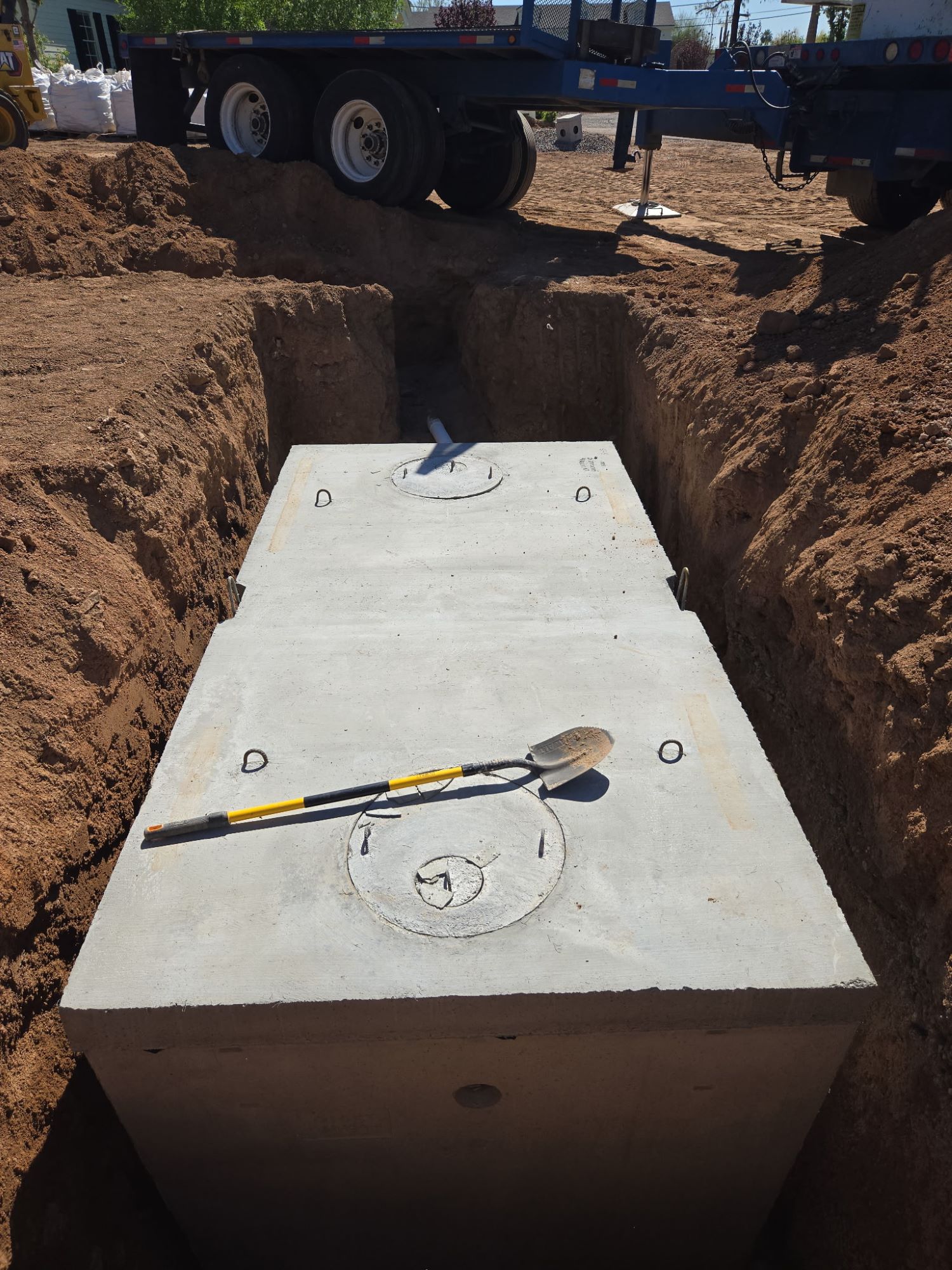
“As a rule, keep deep-rooted plants away from the system and avoid driving or storing heavy equipment over septic components,” Mays said.
If your home or septic system is older, extra caution is wise. Many homes built in the 1950s and 1960s had single-compartment tanks that don’t separate solids as effectively as modern two-chamber tanks.
“Those systems do not separate solids as effectively, which means solids are more likely to reach the leach field and shorten its life,” Mays said. In some cases, filters can be retrofitted to help protect the leach field, and more frequent pumping is usually recommended.”
Checking property records or consulting the professionals can help you understand your system’s age and requirements, saving money and preventing repairs.
Watching for warning signs and adopting smart daily habits both help prolong your system’s life. Being mindful of landscaping, water usage, and what goes down the drain protects your investment. Regular inspections ensure minor problems don’t turn into major, costly repairs.
###
CONTENT PARTNER | A-AMERICAN SEPTIC

A-American Septic Service is a Septic Tank Cleaning & Pumping Services Company in Phoenix, Arizona that has been serving the Entire Valley and surrounding areas since 1953. They offer the care and understanding of a family owned business, along with the stability of a large company with longevity. They also offer the peace of mind that comes with over 150 years’ worth of combined experience and knowledge. They are happy to educate you on all aspects of your septic system, making sure you get the longest life possible out of your system.
PODCAST
PHOTO CREDIT
- A-American Septic