
We all know termites are a force to be reckoned with in Arizona.
Nate Woolf, a Rosie on the House Certified Partner with Blue Sky Pest Control, gives some background and brings us up to date on the best way to engage the wood-eating bugs.
Let’s start with a little bit of treatment history.
- Liquid Repellent. Before the mid-90s, liquid repellents were the primary product used to treat termite colonies. While helpful, liquid repellents have limitations. The products repelled termites, limiting their interaction with the termiticide, which reduced their effectiveness. Even when pest control professionals followed the treatment instructions precisely, the treatments often failed to eliminate the termites. This led to call-back frustration for homeowners and pest management professionals.
- Baiting. Around the mid-90s, manufacturers came out with a termite baiting system that consisted of a plastic, three-inch diameter spike-like container driven into the ground about every ten feet.

Blue Sky technician placing a termite bait system The spike contained a cellulose dowel, which is similar to a treated wooden dowel. Randomly foraging termites came into contact with the cellulose dowel and started eating. The manufacturer was required to have the pest management companies inspect the dowels monthly. Once an activity was identified, the wooden dowel was replaced with a dowel impregnated with a product that prevented molting. The workers would die from not being able to molt, and the colony couldn’t be fed, leading to colony elimination. While the product worked well in other parts of the country, original baiting systems failed in Arizona. One of the largest factors that led to failure was constantly disturbing the dowels. Arizona subterranean termites don’t like disturbance.
- Liquid Non Repellent. This product was developed in the late 1990s and works differently from the liquid repellents mentioned earlier. As its name implies, Nate says termites come into contact with the product and ‘they don’t even know they are in it”. The termites can’t smell it, sense it, or taste it.
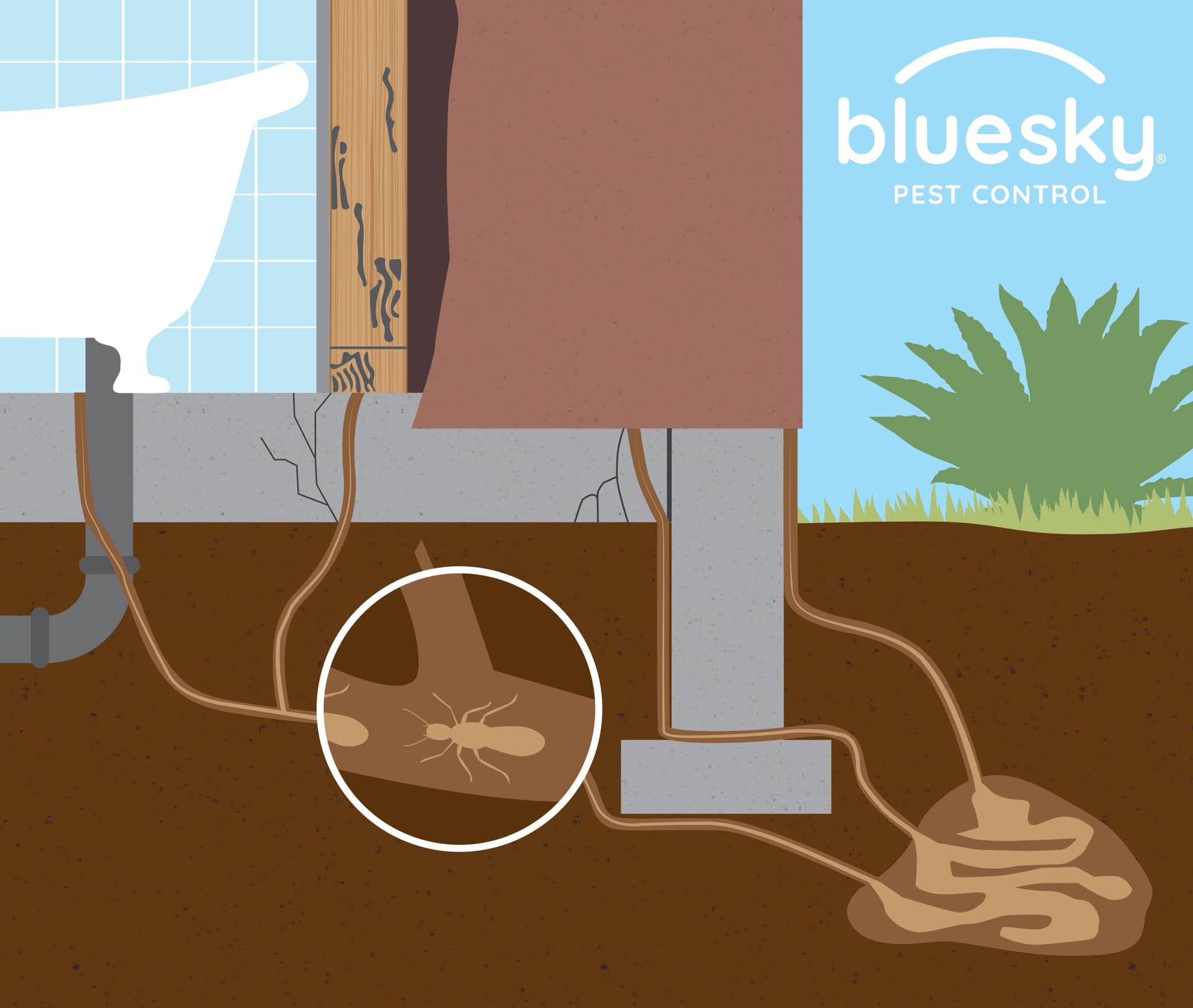
Termites are social insects that “transfer” the product to the other termites in the colony. The liquid non-repellents are much more effective than the liquid repellents and the early baiting systems. These treatments involve digging a trench around the home, applying the liquid non-repellent, and drilling into the concrete to ensure thorough application. While effective, it requires a lot of labor, which increases cost. In addition, over time, the liquid non-repellant will break down in the dirt, making it necessary for regular inspections and a new treatment.
Better Bait Systems. Baiting systems have significantly improved, according to Nate. In 2010, a fifth iteration of termite baiting systems was introduced. The system is deployed similarly to the earlier bait systems. It also uses a wooden or cellulose bait placed in the ground, but the bait is treated with a termiticide from the start. As termites randomly forage, they run into a dowel, start eating, and are impacted immediately by the product. The sleeves they are placed in differ slightly from the earlier sleeves and are placed in a similar pattern around the perimeter of your home. Nate prefers they be placed within three feet of the home’s stem wall to be most effective. Unlike the earlier bait systems that needed to be monitored and replaced every month, this new product only needs to be monitored once a year.
Nate and his Blue Sky Pest Control partner, Curtis Whalen, prefer the improved bait system for effective termite control. Nate says the chemicals in the bait prevent the termites from molting. If termites cannot molt, they die. If the workers die, there is no one to feed the colony, and the colony is eliminated.
The speed with which the improved baiting system works helps to eliminate a colony very quickly. The faster they go away, the less damage done to your home.

There are challenges to effective termite treatment, though.A primary challenge faced by Blue Sky is concrete or other impervious surfaces around your home. Walkways, patios, and driveways can make placing bait pods within three feet of your stem wall impossible. Where there are these surfaces, drilling a small hole through the surface every eighteen inches and injecting a liquid is the most effective way of getting the treatment where it needs to be.
Another aspect of the newer bait systems is that they do not leech into the ground, thereby making the product safe for the environment. We like that feature as well!
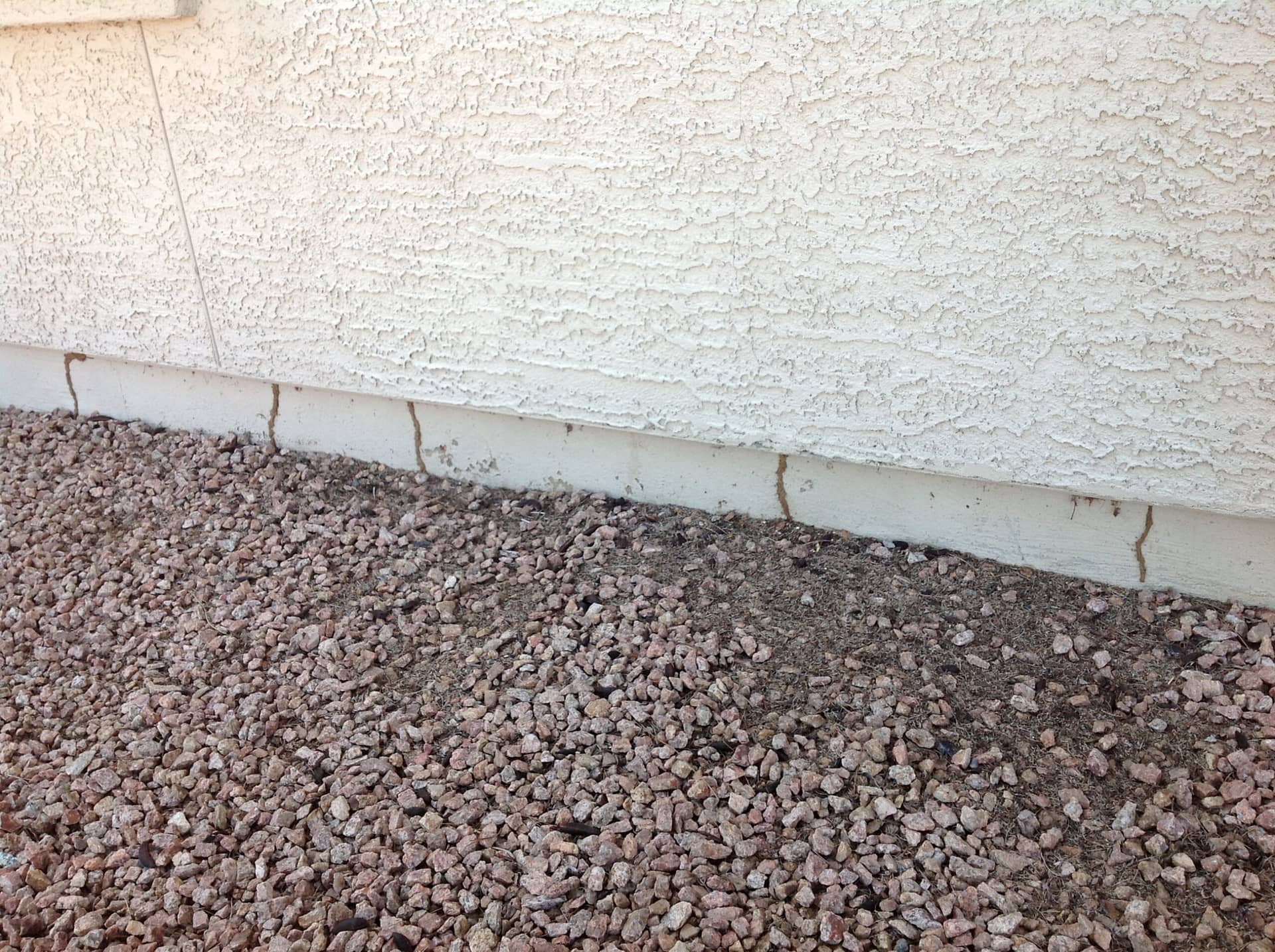
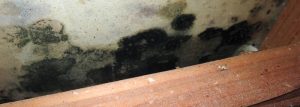
As we said earlier, termites in Arizona are a force to be reckoned with. To determine if you have a termite infestation, engaging a professional pest control technician is your best bet. There are some signs you can look for, however.
- Loose drywall, sagging paint, or tiny pinholes on the surface.
- Wood that is soft, spongy, or sounds hollow when tapped.
- Tiles that become dislodged.
- Sawdust-like piles in or around walls and floors.
Termites are known as silent destroyers. Usually, you don’t know you have them until they have done some damage. The best way to protect your home is to have your home inspected periodically, at least once every couple of years, by a Rosie Certified Partner anywhere you live in Arizona.
###
Content Partner | Blue Sky Pest Control

Since 1999, Blue Sky Pest Control has focused on servicing the Phoenix metro area. Blue Sky Pest Control provides termite control, pest control, scorpion control, rodent control, and bee control services throughout the entire Valley. Blue Sky is known for its quality service technicians. Each Blue Sky technician has been certified through Blue Sky’s rigorous training program. In addition, each technician has received a thorough background check and drug screenings.
PODCAST
Two types of homes in Arizona: Ones that have termites and ones that are gonna get them. Blue Sky Pest Control’s Nate Woolf and Curtis Whalean talk about the evolution of termite treatment in Arizona, how they behave and colonize. And introduce the latest treatment called Always Active that’s designed to eliminate termites with less follow up and inspection. Plus how to handle other pests.
Podcast Archive With Expanded Content and Resources!
PHOTO CREDIT
- Blue Sky Pest Control