

The Water Heater
A conversation on water heaters has two parts. The first part is how to select the right system for your household. The second part is maintenance practices that increase a water heater’s life span. We visited with Day and Night Air Conditioning, Heating & Plumbing Manager Jeff Carmichael about tank vs. tankless water heaters. He also offered professional tips on maintenance.
Selecting a Water Heating System
The process of choosing a water heater begins with a conversation about your preferences, such as energy usage, and heat source preferences, such as electricity, natural gas, propane, or solar. The investment in money and maintenance time you are willing to make also plays a major role in selecting a system that is right for you.
There are two basic system types for heating water:
Tank heater | A traditional water heater heats water with a heating coil and stores it at a set temperature until needed. Electric and gas are a water heater tank’s most common energy sources. Both can work well. A gas heating system will require a venting flue (which adds to the initial cost), whereas an electric tank water heater does not.
With a tank storage system, installing a recirculating system is a wise move. This small pump is typically mounted on the water tank and continuously moves heated water throughout your home’s hot water supply piping. This pump saves water because you won’t have to run the faucet for a few minutes to allow all the cold water in the supply line from the tank to the faucet to evacuate the line before the hot water arrives.
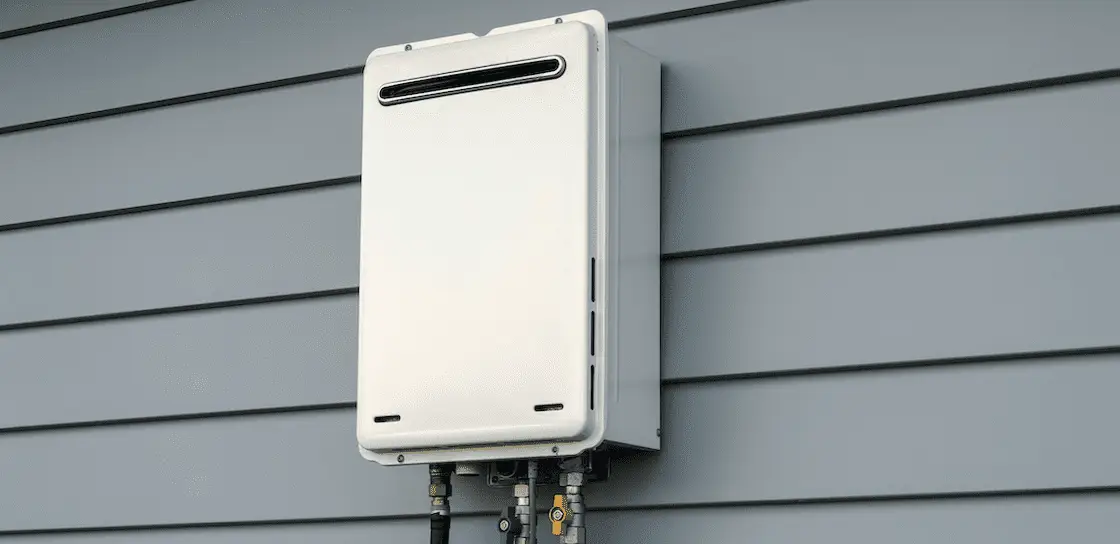
Tankless water heater | A tankless system heats the water as you use it. Also known as a flash heater, Jeff tells us this type of system is gaining popularity. Because the water is only heated as you use it, there is no need for a storage tank. The tankless water heater saves energy because you do not need to keep stored water continuously hot. Jeff’s preferred energy source for tankless heaters is gas. There are electric tankless water heaters, but gas-fired tankless heaters have a more consistent hot water delivery than electric.
Warranties supplied by different manufacturers also play a part in the selection process. Tank water heaters typically last seven to ten years, depending on maintenance consistency. Tankless water heaters can last up to twenty to twenty-five years, which can also save you money in the long run.
Both types of water heaters last longer and perform better in a house with a softened water system. Arizona is known for its high mineral content, i.e., hard water, which occurs naturally in our water. If hard water is left untreated, it causes mineral buildup in our appliances that use water. Our water is so hard that some manufacturers of tankless water heaters will not warranty a unit installed in a home with untreated water.
Softened water has many other benefits, like helping to keep our faucets and tubs free of hard mineral buildup, making our skin feel smooth, and making our laundry softer.
Preventative Maintenance
Once you choose a water heating system, tank and tankless systems need regular maintenance.
Flushing either system is a must, particularly with our hard water in Arizona. Both systems are prone to scaling or mineral deposits on the internal workings. Scale buildup will affect performance over time, making either system work harder. That leads to more energy usage to get the water to you at your desired temperature.
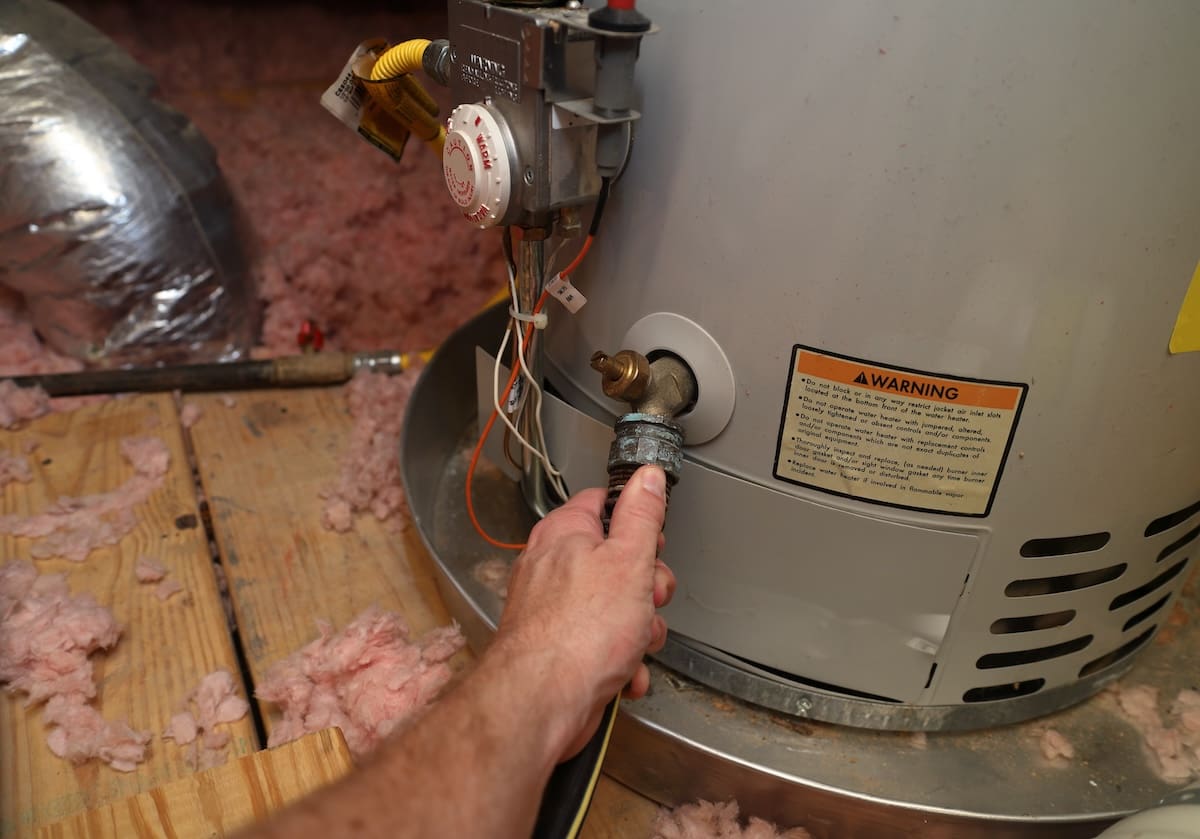
- Frequency. For best results, flushing the system once a year is recommended. Tankless systems also need to be flushed every 12 to 18 months.
- Tankless systems also need to have their filter changed with the same regularity. There is a water filter on both electric and gas models. Gas models will also have an air filter that needs to be changed.
- Descaling is needed on all tankless systems and may be required on a tank system if the interior buildup in the tank is severe enough. Descale using a descaling product or vinegar.
- Keep the area around either system clear. Don’t store anything around water heaters that might impede their performance.
A complete maintenance program may involve dismantling the unit, replacing parts, and reassembling. Depending on your DIY skillset, regular maintenance by a Rosie Certified Partner such as Jeff Carmichael from Day and Night Air Conditioning, Heating & Plumbing might be in you
###
CONTENT PARTNER | Day & Night Air Conditioning, Heating and Plumbing

The plumbers at Day & Night Air Conditioning Heating and Plumbing work on anything that gas or water runs through inside or outside the home. Their expert team installs and repairs tank and tankless water heaters.
PODCAST
Water Heater Choices & Care | Podcast Archive With Expanded Content and Resources
PHOTO CREDIT
- Istock
- Day & Night