
In Arizona, homeowners enjoy plenty of sunshine, mild winters, and the luxury of never having to shovel snow. But that desert lifestyle comes with a tradeoff – one that shows up right over their heads. Roofs in Arizona endure an intense combination of heat, UV exposure, wind, rain, and occasional hail that can quietly shorten their lifespan if they’re not properly maintained.
Roof maintenance isn’t just about reacting to leaks when they appear. It’s about understanding how Arizona’s unique climate affects different roofing systems and taking proactive steps to keep a home protected year after year. According to Kat Warwick of Lyons Roofing, a Rosie on the House Certified Partner for over 2+ decades, prevention is one of the most overlooked – and most valuable – tools homeowners have when it comes to roof care.
How Arizona weather challenges roofs year-round
Our weather may seem predictable, but it presents very different threats depending on the season. Winter storms and summer monsoons affect roofs in distinct ways, and both can expose vulnerabilities that homeowners didn’t even know existed.

“Winter rains are typically steady, longer-lasting rain events spanning multiple hours and even multiple days,” Warwick said. “Think of them like a midwestern or east coast rain.”
This prolonged moisture can be problematic for roofs that are already nearing the end of their serviceable life or have existing damage. The extended soaking increases the likelihood that water will seep into weak spots, often resulting in leaks in one or more areas. Summer monsoons, on the other hand, bring a different kind of stress.
“By contrast, a summer monsoon event is more of a wind and hail event,” Warwick said. “The word monsoon literally translates to seasonal wind shift.”
During monsoon season, high winds combined with rain and hail can further compromise roofs that are aged, neglected, or have previously sustained damage.
Both seasonal patterns take a toll: “Rain, along with hail and heat, can cause severe damage to a roof,” Warwick said.
Heat, UV rays, and the hidden cost of sunshine
The Valley may not see icy roads and snow-covered roofs, but constant heat and sun exposure introduce their own set of problems. Over time, heat, lack of moisture, and intense UV rays can cause roofing materials to break down if they’re not properly maintained.
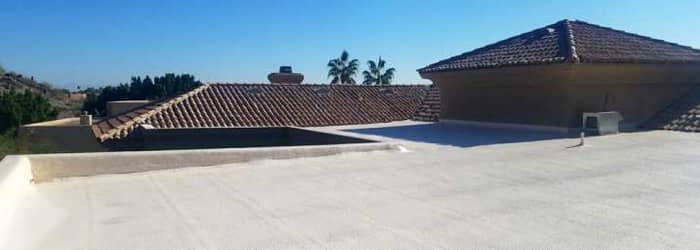
Pitched shingle roofs and flat rolled roofs are typically made from asphalt, which can lose flexibility and dry out as it ages. Tile roofs face a different issue: while the tiles themselves may last decades, the underlayment beneath them deteriorates over time, depending on the materials used. Foam and coated roofs also require ongoing attention, as they can dry out and crack without regular cleaning, maintenance, and scheduled re-coat applications.

“Foam roofs are particularly susceptible to UV ray damage if not sufficiently coated with elastomeric acrylic or silicone,” Warwick said. “The good news is that manufacturers are continually improving all roofing materials for pitched and low-slope roof systems to withstand Arizona’s extreme heat better.”
Choosing the right roof and maintaining it
When it comes to durability and long-term performance, Warwick emphasizes that proper installation and maintenance matter as much as the roofing materials selected.
“When the right materials for the project are selected and an experienced roofing contractor who has worked in the Arizona climate for years is hired to do the installation, there is little difference between shingle and tile roofs in terms of durability and long-term performance,” she said.
One key distinction is visibility: shingle roofs can be visually monitored from above, while tile roofs require investigative inspections to assess the condition of the underlayment and flashings. Regardless of type, maintenance is non-negotiable.
Warwick recommends that all roofs be inspected and debris cleaned off at least once per year. Dirt, landscaping debris, and even material left behind by birds can break down over time and become a biohazard, destroying asphalt shingles and underlayment.
Another often-overlooked factor in roof longevity is attic ventilation. Arizona attics can reach extreme temperatures, especially during summer.
“When it’s 100+ degrees outside, the interior of a poorly ventilated attic can reach upwards of 170-180 degrees,” Warwick explained. “It’s a slow cooker for the roof decking and the materials above.”
Combined with direct solar radiation baking the roof, excessive attic heat can significantly shorten a roofing system’s lifespan. Proper ventilation helps keep air moving, providing a cooling effect that preserves roofing materials and improves overall performance. Additionally, adequate ventilation is a key component to maintaining a manufacturer’s warranty in force.
Don’t ignore the signs
Roof problems don’t always announce themselves with a dramatic leak. In many cases, the warning signs are subtle and easy to miss unless homeowners know what to look for.
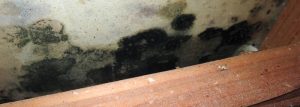
Inside the home, indicators may include brownish stains on ceilings, bubbling or peeling paint, water accumulation in light fixtures, or mold near ceiling areas. Not all roof leaks make it past the ceiling – moisture can be absorbed by drywall before it begins to drip, often leaving behind telltale stains.
Outside, homeowners should watch for slipped, fractured, or missing tiles; curling or cupping asphalt shingles; delaminated shingles with missing granules; or blistered and cracked coatings on flat roofs. Foam roofs turning orange or brown can indicate UV damage, while Arizona’s dusty winds can act like microdermabrasion, slowly sanding away protective coatings.
“All roofs should be inspected and cleaned at least once annually,” Warwick said. After major storms, inspections become even more important, especially if homeowners suspect damage or simply want peace of mind.

“Think of it in medical terms: we all should get regular check-ups and routine testing by our doctor to confirm that we are in great shape or to catch any little thing before it becomes unmanageable. Roofs need the same level of attention, especially since homeowners don’t see them every day,” she added.
Routine maintenance tasks such as cleaning, applying sealants around pipes and skylights, recoating flat roofs, and repairing minor leaks help extend a roof’s serviceable life and prevent minor issues from turning into costly replacements.
Debris accumulation is more than just an eyesore. Any dirt and debris can break down and become biohazardous material that can literally eat through a roof, according to Warwick. Clogged drains and gutters can cause standing water to back up, adding significant weight and stress to the roof surface.
That’s where proactive services like roof tune-ups come in. Regular tune-ups help address minor issues early and are a popular option for both residential and commercial property owners who want to protect their investment.

So, who do you turn to?
Roofing in Arizona is often seen as reactive – something homeowners worry about only when leaks appear. Warwick believes that the mindset needs to change, emphasizing the importance of stability. Long-standing contractors build strong relationships with manufacturers and suppliers, which can lead to better pricing and stronger warranties.
“Because workmanship warranties are only as good as the contractor who installed the roof, homeowners should understand that it’s critical to select the best roofing partner for their project,” she said.
In Arizona’s demanding climate, roof maintenance is essential. With regular inspections, proper ventilation, and a proactive approach, homeowners can protect their roofs, their homes, and their peace of mind for years to come.
###
CONTENT PARTNER | LYONS ROOFING

Lyons Roofing is one of the valley’s most reliable roofers, with over 30 years of experience, delivering top-notch roofing services. Their unwavering commitment to quality, unmatched expertise, and dedication to customer satisfaction make us the trusted choice for both residential and commercial roofing needs.
PODCAST
Lane Spencer and Katherine Warwick of Lyons Roofing cover some common roofing concerns. Concrete tile discoloration, foam roof maintenance, handling solar panels for a new roof install and practical advice on inspections and repairs especially before monsoon season. Plus learn the difference between workmanship and manufacturer warranties.
Broadcast Archive Page With Expanded Content
PHOTO CREDIT
- Lyons Roofing