

Know What They Are and What to Use to Rid Your Yard of Pesky Invaders
We’ve finally received some rain, but not as much as we had hoped. To say we have had enough rain would take some serious, prolonged wet streaks. With the rain comes the weeds. We asked Ray Lopez of Scottsdale Weed Control to help us navigate the best weed control processes.

Weed Control
Good reasons to get rid of weeds are simply; the yard looks better, there are less places for critters to hide, and HOA rules demand it.
Aesthetics | our landscape looks so much better when only the plants we want are there.
Insects and Critters | population tends to drop off when the weeds are gone.
HOA’s | Homeowners’ Associations have rules about weeds, and if you are in an HOA, you will want to avoid fines.
Proper weed control is not a one-and-done project. Ray tells us that several steps are involved, and different procedures are used at other times of the year. Additionally, various types of landscapes necessitate distinct approaches. Overall, it is not a simple task. To be effective in killing weeds, you need to know the treatment procedures and products, as well as the different plants you are trying to control. We will examine this issue in four segments: pre-emergent, post-emergent, lawn management, and hard-to-control weeds.
Pre-Emergent
Pre-emergent treatment is a proactive step to take before weeds have a chance to take hold. A non-toxic product is sprayed on the surface and seeps into either the gravel, lawn, or dirt. The seeds for the weeds are already on the ground, and with the rains, they will grow. The goal of the pre-emergent is to stop that from happening.
Different products are used for gravel landscapes than for a lawn. Ray says you need to be careful that the product you are using will target the unwanted plants and not the grass. With gravel landscapes, you don’t have to be as discerning.
Weed growth and type of weed vary from season to season. The most common months to spray are March through May or October through November.
A regimen that includes twice-a-year treatments can be reduced to once a year after several cycles have been completed. Soil types also play a role. Less impervious or clay soils retain the product near the surface, reducing the need to reintroduce treatments. Sandy soil is more porous and may require more treatments.
Post Emergent
Post-emergent chemicals are applied after weeds have germinated and begun to take over the landscape.
Post-weed killing requires the use of chemicals designed to kill the unwanted plants without harming the ones you want to keep.
Chemical sprays often have a short time frame during which you must keep people and pets off the treated area.
Manually removing weeds, while chemical-free, is a labor-intensive process. Hiring someone to manually pull weeds can be expensive, unless you are a DIY type with the time to do it yourself. If you are pulling weeds, be sure you get the root structure, or they will return.
Lawn Management
Grass lawns in our desert climate are becoming less popular. Many municipalities across the state will subsidize homeowners to remove their grass and install artificial turf or a gravel ground cover. The goal is, of course, to save water. Check with your local government to find exact rebate amounts.
Managing the weeds and grasses in your lawn is a task that requires technical knowledge. Before selecting a course of treatment for a client, Ray visually inspects the lawn. He is looking for:
- Type of grass | Bermuda is common in the spring and summer months and is often augmented with a kind of Rye grass for winter. This inspection is important to provide the information needed when designing a treatment program, as some herbicides will interact differently with different grasses. Ya gotta get that right!
- Types of weeds invading the lawn | Again, different products are needed for various applications.
- Is there a fungus?
Knowing why a lawn is suffering is the first step to treating it properly. In some instances, Ray has recommended tearing out everything, including about four inches of dirt, and starting over due to major weed infestation. That is the extreme for sure.
A Romey tip: If you are fighting weeds DIY, don’t stay with a specific brand of weed killer. Weeds can become tolerant to the same product over time. So don’t be afraid to mix it up.
Hard to Control Weeds
Some weeds are more difficult to combat than others. Ray outlines some of them for us.
Spurge | A fast-growing noxious plant whose milky sap can be dangerous. {Fig. 1}
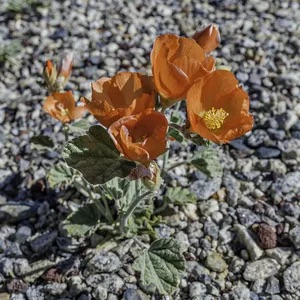
Globe Mallow | A large flowering plant that thrives in the deserts. {Fig. 2}
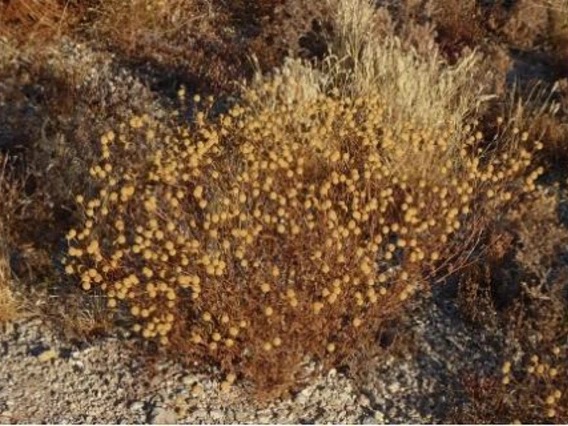
Stinknet | Another invasive plant from South Africa. It has tiny, round, yellow flowers and is so toxic that it is recommended not to burn it, as even the fumes can be hazardous. {Fig. 3}
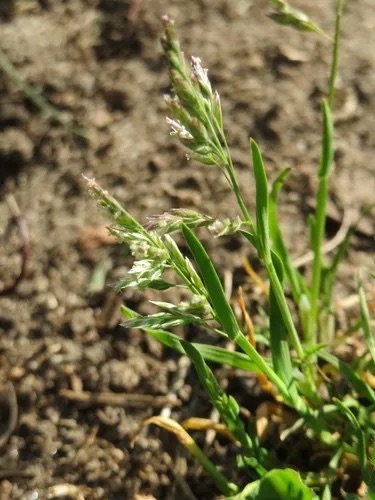
Poa annua | Also known as bluegrass grows in with your lawn and can be hard to target. {Fig. 4}
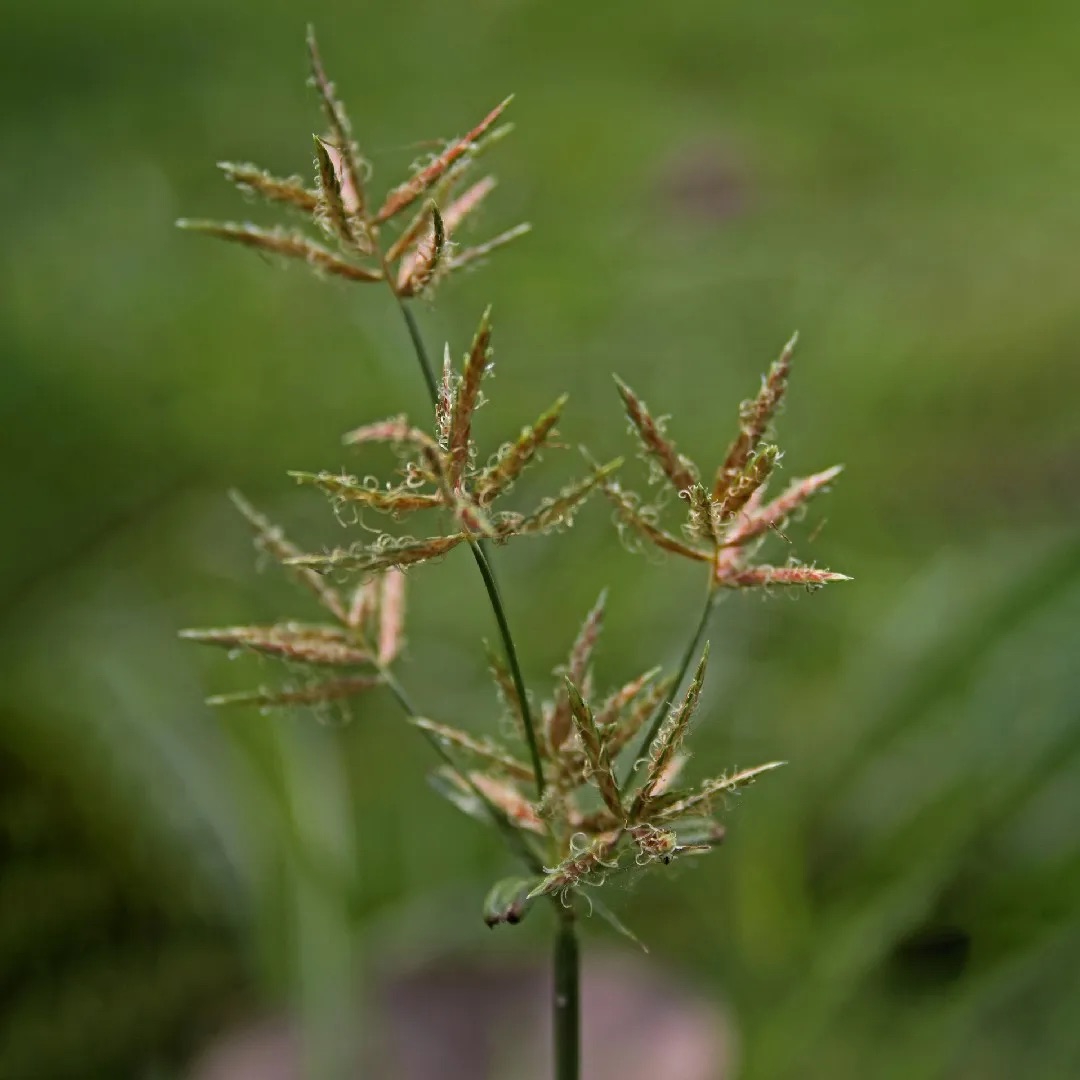
Nutsedge | Ray says this is very difficult to treat due to the extensive underground tubers. Jokingly, Ray suggests that the best way to get rid of this weed is to put up a for sale sign and move! {Fig. 5}
Weeds are those unwanted plants that grow in our landscaping. Diligence and knowledge are the two best traits needed to combat them.
###
CONTENT PARTNER | SCOTTSDALE WEED CONTROL & FERTILIZATION

At Scottsdale Weed Control & Fertilization, LLC., we provide various assistance, from weed control service in a desert landscape to turf management and caring for your trees. Desert landscape weed control clients like the Phoenix Desert Botanical Gardens know they can trust Scottsdale Weed Control & Fertilization, LLC. to rid their gardens of invasive weeds without harming sensitive plants and other fertilization services. Our knowledgeable and dedicated staff will treat your natural xeriscaping with the care it deserves. We professionally apply pre- and post-emergent to desert landscapes, and each application carries a 6-month warranty to keep your property looking its best.
PODCAST
PHOTO CREDIT
- PictureThis App
- IStock