
When the weather cools down in Arizona – even if only for a couple of months – there’s nothing better than moving life outdoors. Backyard dinners stretch a little longer, firelight becomes the evening entertainment, and the patio transforms into a seasonal living room. Keeping that space warm enough without overheating, creating ambiance without wasting energy, and designing a setup that works for both everyday lounging and big gatherings become the challenges of the day.
That’s where smart ways to heat come into play.
To help homeowners bring more comfort and style to their outdoor sanctuaries, we reached out to local business owner Robert Pierce of Arizona Gas Products, whose team has helped homeowners design fire features, outdoor kitchens, and heating solutions for families across the Valley.
The power of outdoor heating ‘zones’
If you picture outdoor heating as simply flipping on a big heater and calling it a day, Pierce suggests rethinking the approach.
“The key to successful heating is zoned heating – using the right combination of fire features and heaters to create warmth where people actually sit, not across the entire patio,” he said. “I always recommend variable control systems or multi-output burners so you can adjust heat depending on the weather and crowd size. Efficiency comes from control and placement, not just power.”
So, combining these elements will result in a patio that never feels too hot, too cold, or unevenly heated:
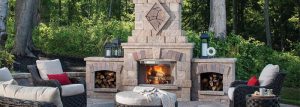
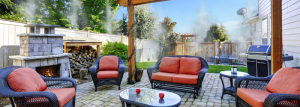
- Gas fire pits or fireplaces
- Overhead heaters for broader coverage
- Portable heaters to target cooler pockets or flexible layouts
- Variable control systems to fine-tune heat levels based on weather or crowd size
Natural gas vs. propane
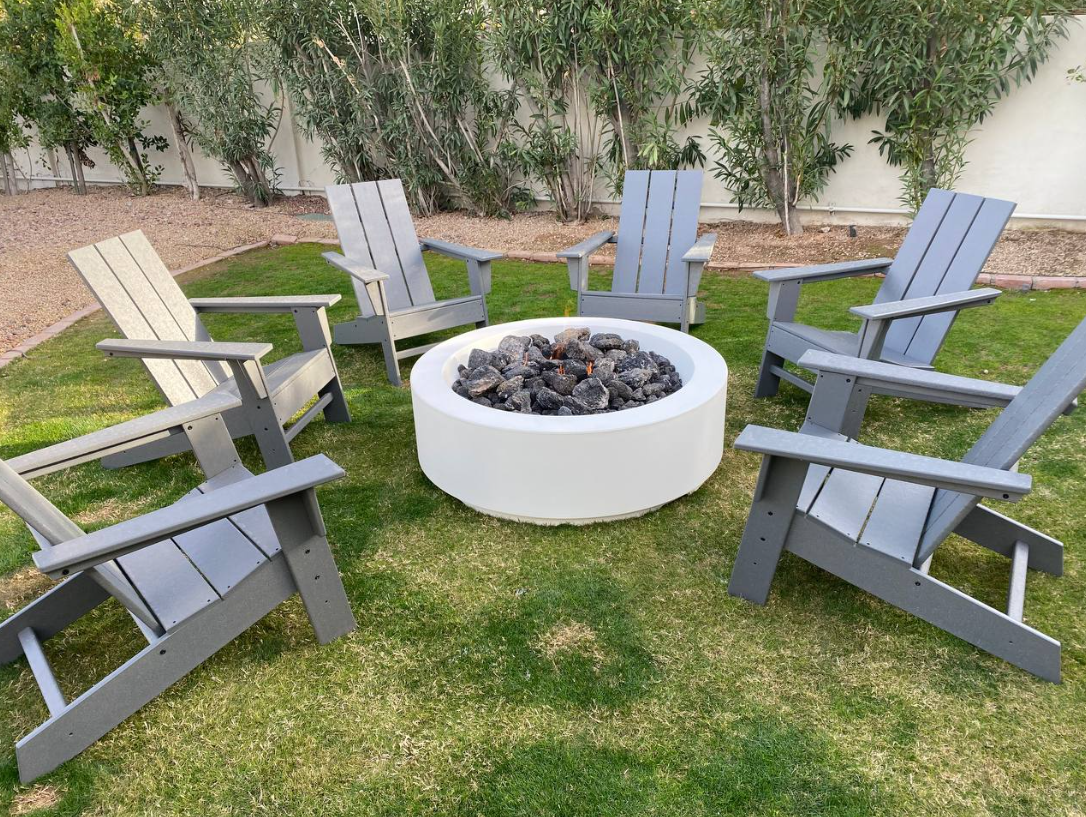
When adding a fire pit or outdoor kitchen, homeowners often ask whether propane or natural gas performs better. The answer, according to Pierce? It depends on your lifestyle.
Propane burns hotter and heats faster, which is great for portable grills or fire tables. Natural gas, however, burns cleaner, is cheaper in the long term, and never requires refilling, making it the go-to choice for built-in systems.
“In Arizona, natural gas tends to be the more popular choice for permanent outdoor kitchens and fire pits, while propane is favored for portable setups or homes without gas lines,” Pierce explained. “Either fuel can deliver serious warmth, as long as the BTUs – your fire feature’s heat output – match your space.”
How much heat do you really need?
Think of BTUs as the horsepower of your heating feature. A small tabletop flame usually needs around 10,000-20,000 BTUs. A medium-sized patio typically calls for 40,000-60,000 BTUs. Large statement fire pits often start at 75,000 BTUs and go up from there.
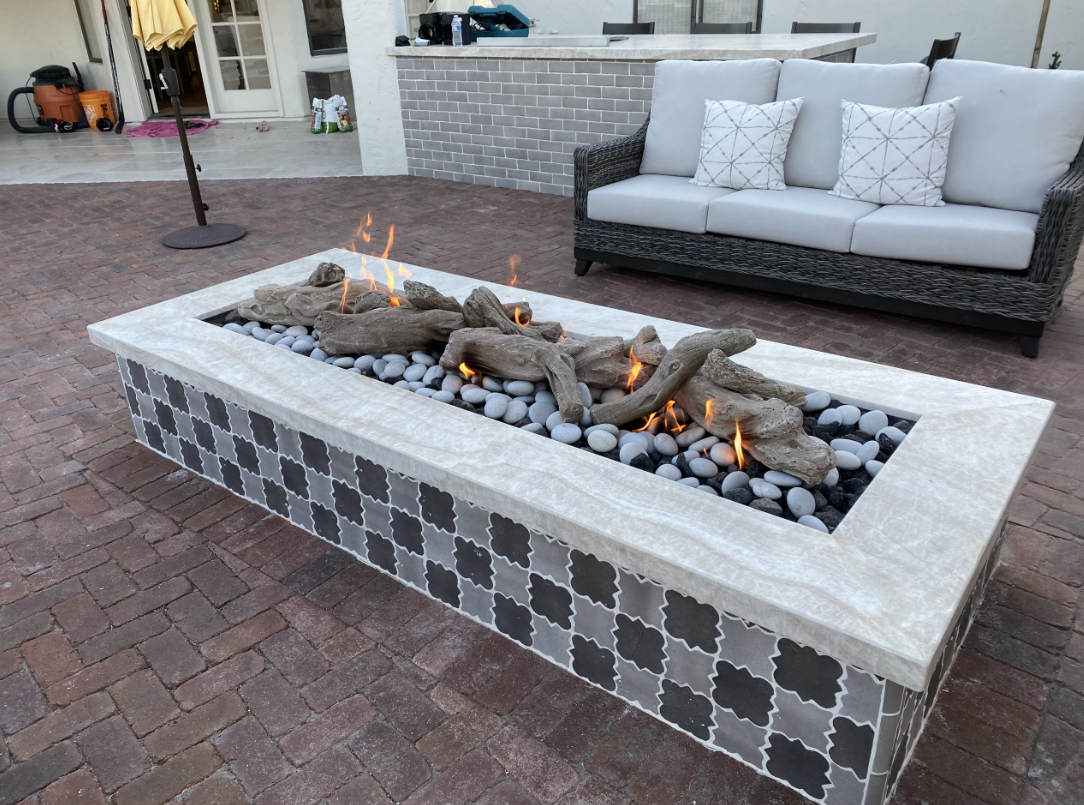
But bigger isn’t always better. Real-world warmth depends on factors like wind, ambient temperature, and seating distance, but higher BTUs generally mean more radiant heat. Pierce said that the professionals can help homeowners “size the heat” so the space feels comfortable rather than overwhelming.
Is electronic ignition worth the upgrade?
When it comes to ignition systems, some love the convenience of electronic ignitions – think push-button starts or smart home integration – while others prefer the simplicity of lighting a flame manually.
“I prefer old-school manual ignitions, also known as “match lit” ignitions. There are minimal points of failure,” Pierce said. “That said, I work with gas and fire every day, so I’m comfortable holding an extended lighter to the main burner area and then feeding the gas to the lighter to ignite the flame.”
With match-lit ignitions, Pierce said it’s very important that homeowners introduce gas to an existing flame rather than turning on the gas and then trying to ignite the fire pit or fireplace. With electronic ignitions, fire pits can be ignited with the push of a button or connected to a home automation system. Electronic ignitions offer convenience and safety. Many include flame-sensing technology that automatically shuts off gas if the flame goes out – a great safety feature.
“For homeowners that are capable and are comfortable with match lit ignitions, it is an excellent option, and they should keep their current setup,” Pierce said. “Homeowners who don’t feel comfortable operating flammable gas equipment should upgrade to an electronic ignition.”
A picture-perfect flame with evenly dancing fire doesn’t just happen on its own. Arizona Gas Products focuses on quality burners, proper orifice sizing, correct air-fuel ratios, and clean burner ports.
Pierce and his team also encourage customers to inspect burners regularly for debris or insect nests – even small obstructions can disrupt flame patterns. Consistent maintenance and professional setup ensure a beautiful, even flame every time.
A little maintenance goes a long way
Before firing up your heaters and fire pits for the season, it’s worth giving everything a once-over to make sure it’s ready after months of heat, dust, and monsoons. Start with a visual inspection by looking for rust, corrosion, or debris inside the burner ports.
Clear away dirt, then check all gas connections for leaks. It also helps to clean your fire media – whether it’s lava rock or glass – and test the ignition system to ensure everything lights smoothly.
“The first step is a gas line evaluation – making sure your current line can handle additional demand. From there, we design layouts, clearances, and aesthetics. It’s a collaborative process that blends engineering and design to ensure safety, performance, and style all align,” Pierce said. “Our most popular items are patio heaters and fire pits. The goal is to create an inviting outdoor space that’s beautiful for Valley winters.”
Ventilation and clearances still matter
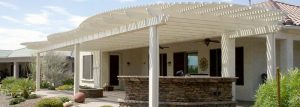
Even outdoor spaces require proper clearances around heaters and fire pits to ensure safe combustion. Overhead heaters need space from rafters or patio covers, and built-in fire pits must avoid crowding furniture or walls. It’s a small but essential design detail that keeps your setup safe and long-lasting.
Pierce’s favorite installation – a dual-zone patio featuring a sleek linear fire pit paired with overhead heaters and controlled through one smart system – captures what most homeowners are looking for: warmth, ambiance, and seamless functionality.
That’s the beauty of a thoughtfully designed backyard. It extends your living space, sets the mood, and turns even an ordinary evening into something special. Learn more at arizonagasproducts.com or rosieonthehouse.com.
###
PODCAST
PHOTO CREDIT
- Arizona Gas Products