
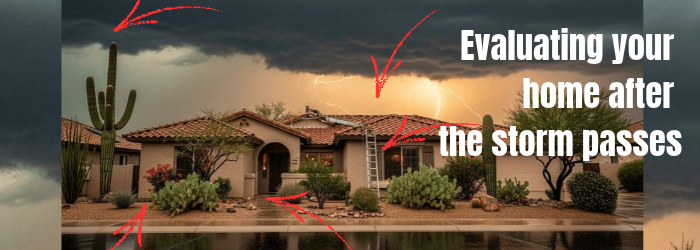
Arizona homeowners were shocked – to say the least – when heavy rain and hail rolled through the Valley, up north and down south, in October 2026. After the storm died down, everyone was outside making sure their house was still standing! If homeowners have learned one thing, it’s that even well-maintained homes can face challenges.
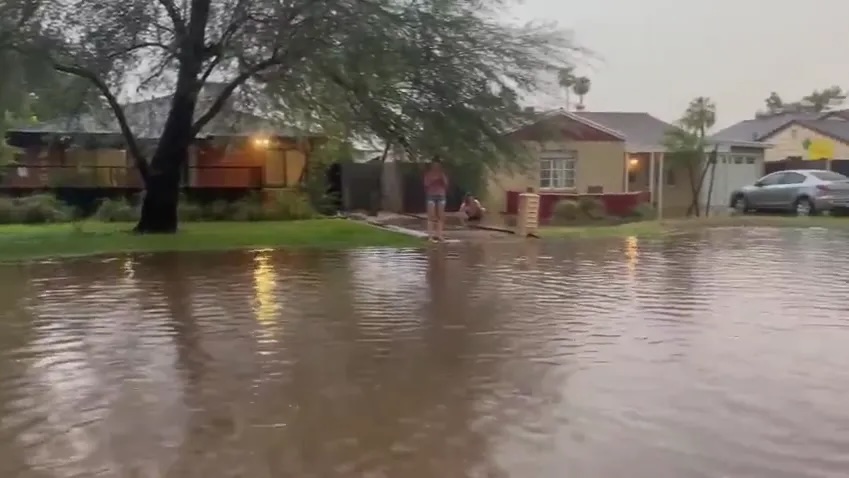
The key to protecting a home is knowing what to look for before, during, and after a storm. Some issues are easy to spot, but others can hide behind walls, beneath roofing materials, or around the foundation.
Jim Kowalski of Kowalski Construction, Rosie Romero of Rosie Right Design Build, and Renata Valenti of MoldGone share common storm-related problems, preventative maintenance tips, and the value of addressing water intrusion before it becomes a bigger headache.
Start with the ground
One of the first places homeowners should focus on during heavy rainfall is the area around the home’s foundation. Proper drainage is essential to keep water moving away from the structure rather than letting it collect against exterior walls.
According to Kowalski, one of the most common drainage problems he encounters is negative grading, which occurs when the ground slopes toward the home instead of away from it.
Planters built directly against the house can also create problems, particularly when the walls haven’t been properly waterproofed. During ordinary rainfall, these issues may go unnoticed. Heavier storms can push water into areas that have been vulnerable for years.
“Our ground can be so hard that it doesn’t provide a lot of drainage on its own, so water tends to flow and, of course, follow the path of least resistance, and if the grade slopes back to the home, which is where it will end up,” Kowalski said.
Homeowners should also pay attention to how their systems perform during and after a storm. Drains, scuppers, gutters, and even valleys can become clogged with leaves, pine needles, and other debris. When water cannot flow freely, it may back up and find its way into the home.
Standing water can indicate clogged drains or a drainage system that isn’t large enough to handle heavier storms. Soil or rock washing away, water lines along foundations, and masonry cracks can also indicate problems.
Kowalski said that some warning signs may appear inside, like stair-step cracks in masonry walls, unusually wide stucco cracks, and interior drywall cracks that can sometimes indicate settling linked with poor drainage.
Routine maintenance can help homeowners catch these issues before the next big storm. Clear debris from drain grates and scuppers, remove sediment around drainage areas, and check that downspouts discharge water well away from the foundation. Homeowners can also run a garden hose into drains to make sure the water flows.
After a major rain or hailstorm, homeowners should consider a professional inspection if they notice water intrusion, pooling, erosion, or clogged drains. And above all, leave the inspection to someone equipped to do it properly.
Understanding your roof’s weaknesses
A roof doesn’t have to be visibly damaged to need attention. In fact, deferred maintenance is one of the biggest reasons homeowners experience leaks when heavy rainfall arrives.
Rosie Romero of Rosie Right Design Build said that roof type and age play a role in what homeowners should watch for. If a roof is 10 years old or older, he recommends having a trustworthy professional inspect it at least once a year or every other year.
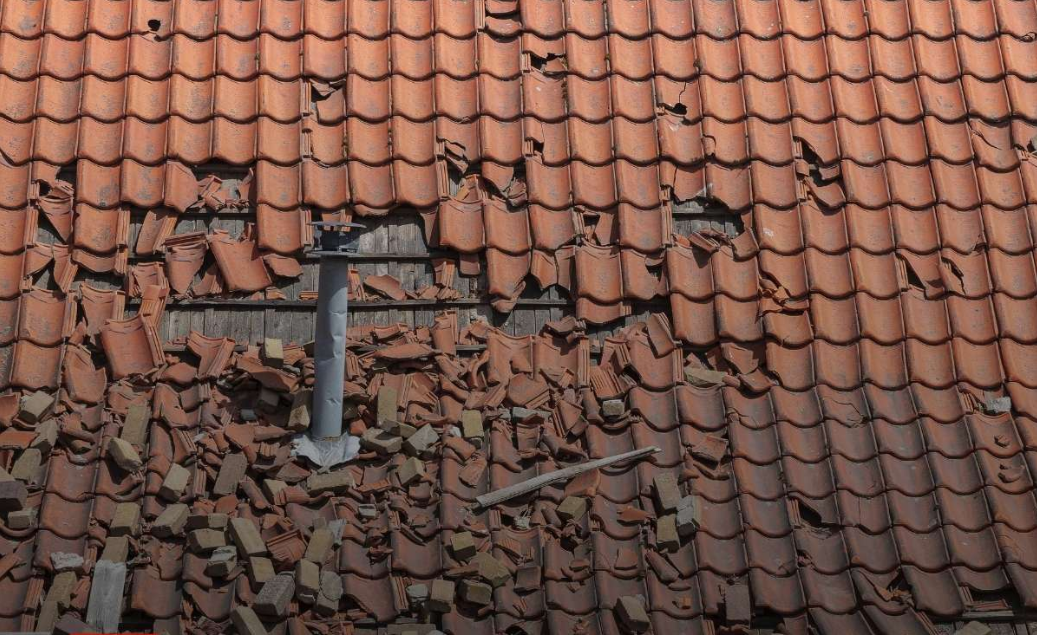
Inside, water spots on ceilings are an obvious warning sign. Outside, cracked roof tiles, clogged drainage valleys, and debris from nearby landscaping can show areas that need attention.
Asphalt shingles also have a shorter lifespan. Romero says those with traditional three-tab shingles should watch for granular material collecting around the home’s drip edge. Little fuzzy fibers sticking out from the shingles can also indicate the roofing material has aged out.
Hail presents another potential problem, and the damage isn’t always obvious, Kowalski says. Metal flashing, vent stacks, and air-conditioning condenser coils can show signs of impact, while hail can also compromise other roofing materials.
Foam roofs can sustain punctures in the top membrane, compromising the roof’s protective layer. Even if the damage doesn’t immediately result in a leak, repairs may still be necessary.
When hail strikes, Romero recommends contacting the homeowner’s insurance company first and requesting an inspection. An insurance adjuster can determine whether damage is present and whether the policy covers it. Homeowners can also seek a second opinion from a trusted roofing professional. Perhaps just as important is knowing who not to call.
Following major storms, homeowners may encounter contractors offering quick fixes or promising to handle everything through an insurance claim. Romero cautions homeowners to watch out for storm chasers who promise the world. Taking time to find an established, trustworthy professional is the only way to go.
If a leak develops during a storm, the priority should be limiting damage rather than attempting roof repairs. Homeowners should never climb onto a roof during a storm, and even after the weather clears, they should leave roofing work to professionals.
One situation that calls for immediate attention is a bulging or sagging ceiling. This can indicate
that water has collected above the drywall, adding weight and pulling the material away from the framing. Romero recommends placing a five-gallon bucket underneath and carefully making a small hole in the lowest part of the bulge to release the trapped water.
Once homeowners contain the immediate damage, they should contact their insurance company and a trusted restoration professional to determine what to do next.
Again, the best preventative measure is regular maintenance. Having a qualified roofer inspect the roof, identify deteriorating sealants, and fix minor problems before they become major repairs can make a big difference when the next storm arrives.
Damage doesn’t end when the rain stops
Even after a leak is repaired or floodwater recedes, homeowners may face another problem: mold.
Moisture trapped inside walls, beneath flooring, or in other porous building materials can create the conditions mold needs to grow. And it doesn’t take long for that process to begin, according to Renata Valenti of MoldGone.
Valenti says that mold requires water, humidity, and the appropriate nutrients found in wet, porous materials. While certain areas of a home may be more vulnerable to moisture, mold can develop anywhere those conditions exist.
Homeowners may not always recognize that mold is present. Water damage often comes with mold growth, and spores are microscopic, so they can be present even when you can’t see them.
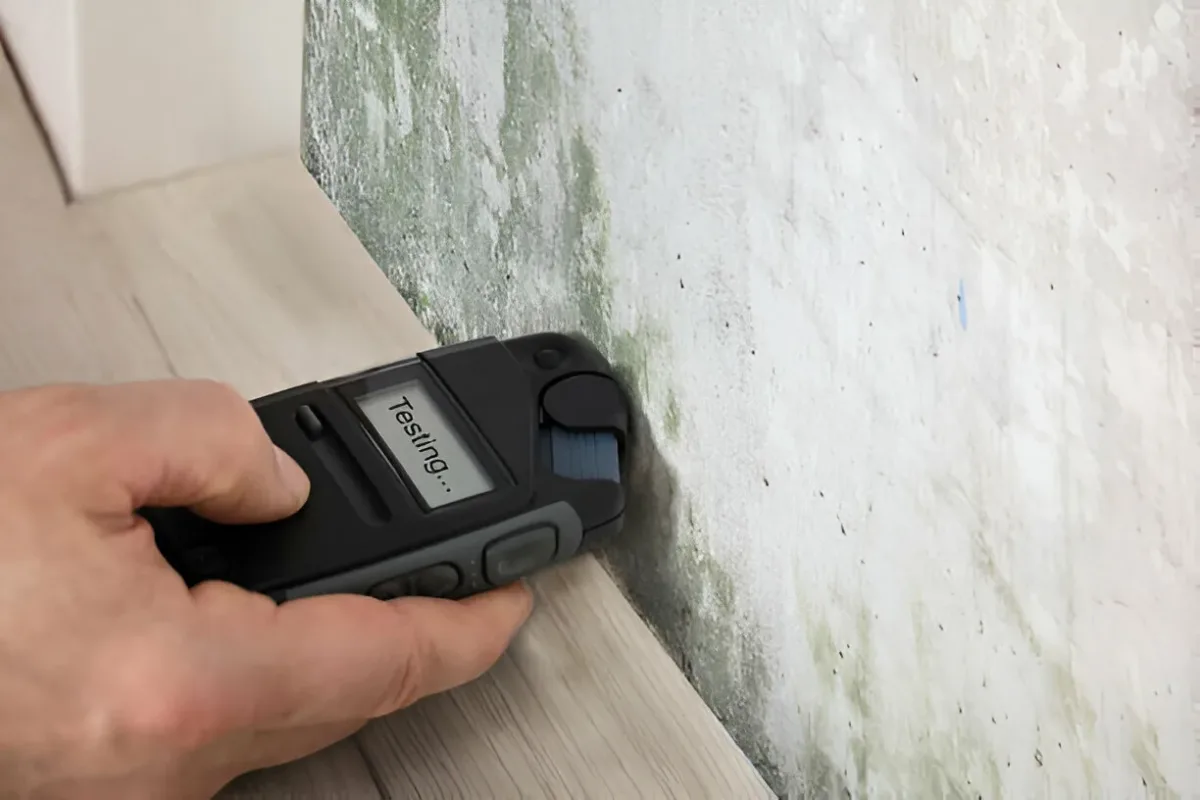
Valenti says mold can begin growing within 24 to 48 hours after a porous surface becomes wet. That makes a quick response to leaks and flooding very important.
Musty or unusual smells can be an early warning sign, as can persistent moisture or water stains on walls and ceilings. Homeowners should also understand that visible mold isn’t the only indication of a problem. Because growth can occur behind drywall or beneath other materials, a small leak might require a closer look.
If a homeowner discovers damp drywall, a water stain, or visible mold, Valenti recommends contacting a professional for an inspection. The professional can assess the extent of the damage and determine whether the situation is appropriate for a do-it-yourself cleanup or requires professional remediation.
Rather than cleaning an affected area right away, having the problem evaluated first can help ensure hidden moisture and underlying issues are addressed. And while Arizona’s dry climate may give homeowners a false sense of security, mold is not exclusively a problem in humid environments – it thrives in a dry environment.
Protecting a home from storm damage comes down to preparation and paying attention to the warning signs. Keeping drainage systems clear, maintaining the roof, addressing leaks, and checking for hidden moisture can all help prevent a few hours of heavy rainfall from turning into expensive repairs.
###
PODCAST
PHOTO CREDIT
- MoldGone of AZ
- Canyon State Roofing
- AZ Central