

If you’re shopping for a home in Arizona – especially in Maricopa County – there’s a good chance you’ll encounter a homeowner’s association (HOA). From master-planned communities and newer subdivisions to condominiums, townhome developments, and gated neighborhoods, HOA-managed communities are woven into a good chunk of Arizona housing.
For some homeowners, HOAs provide structure, amenities, and peace of mind. Others focus on the additional rules, fees, and responsibilities.
According to Vikki Gorman of Fathom Realty – a Rosie on the House Certified Partner – neither perspective is universally right or wrong. The key is understanding what HOA living actually means before signing on the dotted line.
The “good”
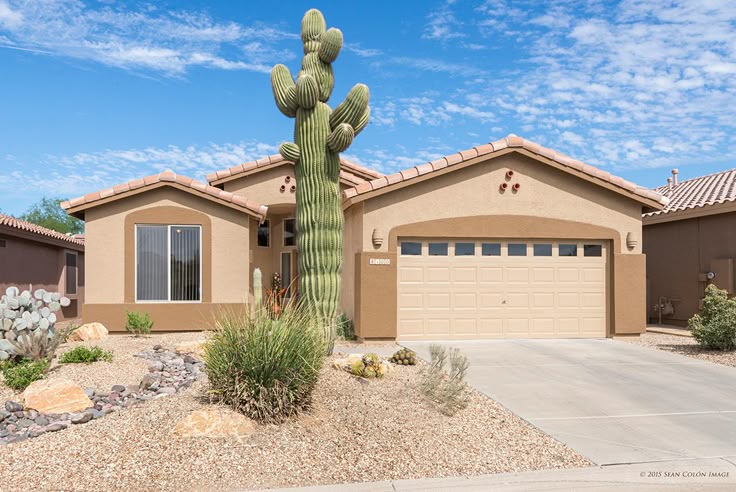
One of the most commonly cited advantages of HOA communities is consistency. A well-managed association helps maintain neighborhood standards for landscaping, exterior upkeep, parking, paint colors, and common spaces.
For many Arizona homeowners, especially in Maricopa, this can be a major plus because desert landscaping, exterior paint, stucco, roofing, walls, gates, and front-yard appearance all have a direct impact on curb appeal,” Gorman said.
HOA communities also might include amenities that homeowners may not be able to manage – on their own, such as community pools, fitness centers, clubhouses, parks, walking trails, pickleball courts, gated entrances, golf amenities, etc. These features may appeal to many buyers.
When communities are financially healthy and well-managed, HOAs can help preserve shared spaces and maintain consistent upkeep throughout the
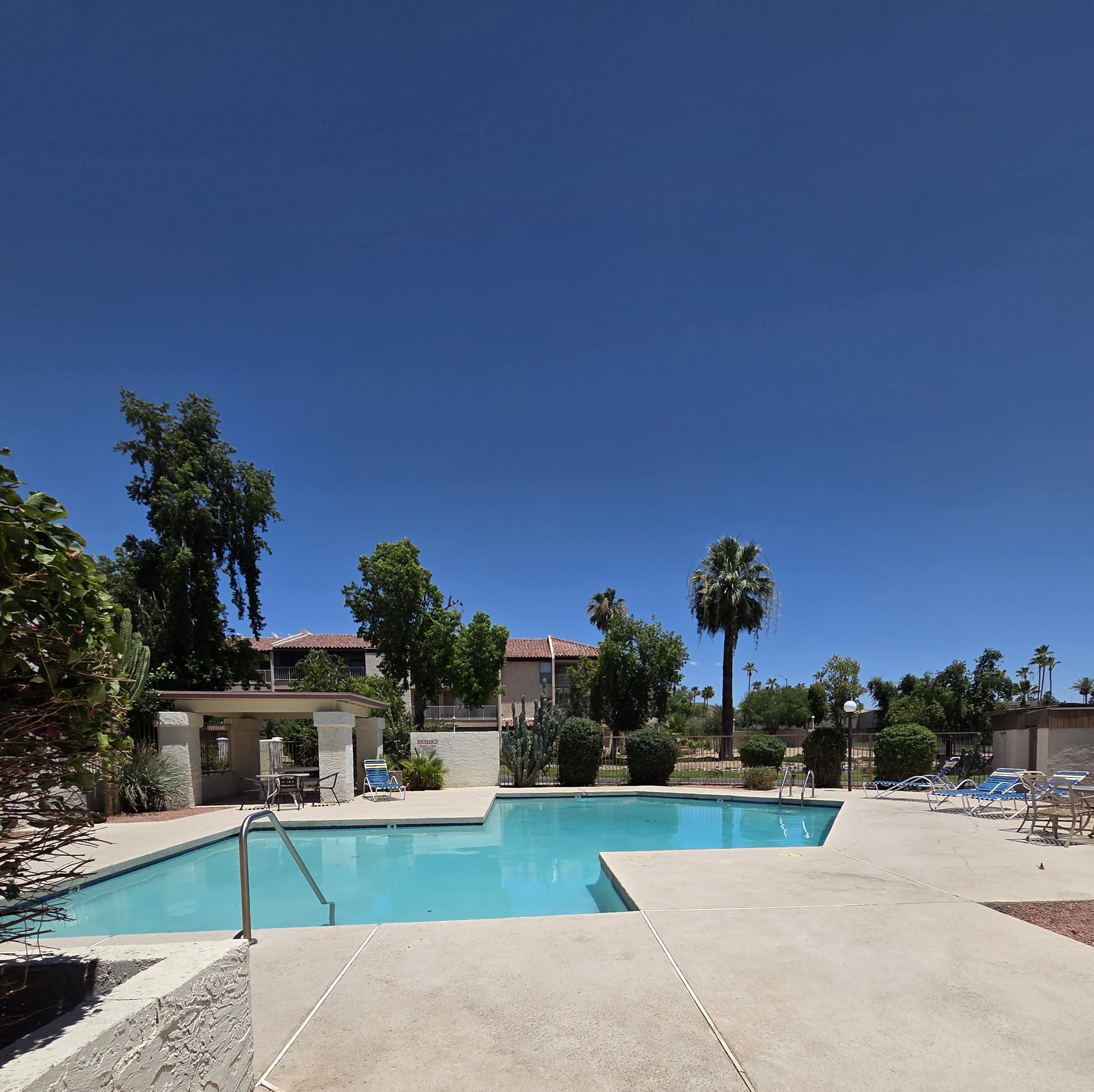
neighborhood. While no organization can guarantee property values, many buyers appreciate the sense of consistency that these standards provide.
The “bad”
Living in an HOA community also means living within a governing structure, and that’s where frustrations can happen. One of the biggest adjustment points involves restrictions and approval processes.
“Some homeowners feel restricted when they cannot freely change their exterior paint color, landscaping, driveway, garage door, roof, lighting, front door, fencing, or backyard improvements without HOA approval,” Gorman said.
Fees are a big concern. Monthly, quarterly, or annual dues are part of HOA ownership, and those can – and more than likely, will – increase over time. Homeowners may also encounter special assessments for unexpected community repairs or major projects.
Residents may also find strict rules around parking, rentals, pets, trash cans, holiday decor, and exterior displays limiting. At the same time, inconsistent enforcement, poor communication from management companies, and board politics or difficult meetings can add to the frustration for some homeowners.
Nextdoor (an app that lets residents connect and share information about their neighborhoods and surrounding areas) users had a wealth of opinions about HOAs. Those homeowners against HOAs express concerns about accountability, inconsistent rule enforcement, and “power trips” among board members or management companies.
Many spoke about being frustrated with overreach, bureaucracy, or communication, particularly when trying to resolve disputes or get answers from management. Others argued that management companies and boards prioritize contracts or “their own” interests over homeowner concerns.
Gorman said the important distinction for buyers to understand is this: an HOA is not simply a neighborhood feature. It is an organization with rules, financial obligations, enforcement authority, and community expectations – although a common theme across many comments was the desire for more transparency, homeowner education, oversight, and easier paths for dispute resolution.
The fees
HOA dues can sometimes cause sticker shock for buyers unfamiliar with association living, but understanding where those dollars go is important.
“Fees may cover common-area landscaping, community pools, gate maintenance, security, management company fees, insurance for common areas, private road maintenance, exterior building maintenance, roof coverage, clubhouse maintenance, utilities for shared spaces, and reserve funds for future repairs,” Gorman said.
**Buyers Be Aware!
It is the seller’s responsibility to indicate that the home they are selling is in an HOA and to provide the documentation that states the rules and regulations of that HOA.
Often the escrow officer will contact the HOA on the seller’s behalf, and the HOA provides the documentation to the buyer.
Buyers need to do their due diligence and educate themselves on the current dues, transfer fees, pending increases, reserve funds, meeting minutes, architectural guidelines, CC&Rs, rental restrictions, insurance, and any pending litigation or special assessments. These documents – though sometimes hard to read due to sheer length – can reveal a good deal about the community.
It is not a bad idea to visit with neighbors when appropriate to find out about the relationship between the community and the HOA. Often a neighborhood will have Facebook or Nextdoor group where neighborhood conversations can reveal the ‘climate’ of the community.
Careful thought in deciding if the HOA is right for you is much easier before you purchase a house than after.
Those (on Nextdoor) who were for an HOA mentioned the value of having rules and expectations clearly outlined through CC&Rs, saying that consistent enforcement creates fairness and protects the community’s overall look and feel.
Several homeowners noted that well-run HOAs with responsive management teams, reasonable fees, and transparent communication can create attractive, organized neighborhoods while giving residents a structured way to address issues and maintain common areas.
The rules
HOA rules can significantly impact what a homeowner can do to the exterior of the property. Even though the homeowner owns the home, the HOA may still regulate visible exterior changes, according to Gorman.
Many communities have guidelines for exterior elements, including landscaping, artificial turf, fencing, garage doors, roofing materials, paint colors, lighting, patio structures, solar equipment placement, and even holiday decorations.
Supporters of HOAs say they can help maintain neighborhood appearance, preserve property values, and manage shared spaces and amenities that might otherwise fall to local governments or individual homeowners.
Residents may be required to submit plans, material samples, contractor information, or design details before starting a project. This step doesn’t necessarily mean renovations won’t be approved – there are just a few more steps to the process. Reviewing architectural guidelines can prevent potential issues later.
The financial aspect
Buying into an HOA means buying into its financial health, too.
“A financially healthy HOA usually has clear records, adequate reserves, reasonable budgets, consistent maintenance, transparent communication, and a history of planning,” Gorman said. Buyers should examine how the community plans for future expenses.
Reserve funds are especially important because they help cover future repairs such as resurfacing roads, replacing roofs, repairing walls, or updating amenities. Communities with insufficient reserves may be more likely to impose special assessments later.
Meeting minutes can also provide useful insight. Repeated discussions about deferred maintenance, unresolved projects, or financial shortfalls may warrant closer review.
“Red flags may include low reserves, deferred maintenance, repeated special assessments, vague financial records, lawsuits, unusually high delinquency rates, or meeting minutes that repeatedly mention major unresolved problems,” Gorman said.
Does this HOA align with how I want to live?
Some buyers appreciate structured communities with maintained amenities, uniform appearance standards, and less responsibility for exterior maintenance. Others prefer flexibility with landscaping, parking, exterior design, rentals, pets, or home modifications. Neither preference is right or wrong.
“For Arizona buyers, especially in Maricopa County – where HOA communities are very common, the goal is to find the right association, with rules, fees, amenities, and financial management that align with the buyer’s lifestyle and comfort level,” Gorman said.
HOAs play an important role in maintaining amenities, managing spaces, and encouraging neighborhood stability – but they also involve additional responsibilities, financial commitments, and restrictions that warrant review. Take time to examine documents, ask questions, and understand expectations to make sure that the HOA matches the lifestyle you’re looking for.
###
Homeowner Handbook | #HOACommunities
PODCAST
PHOTO CREDIT