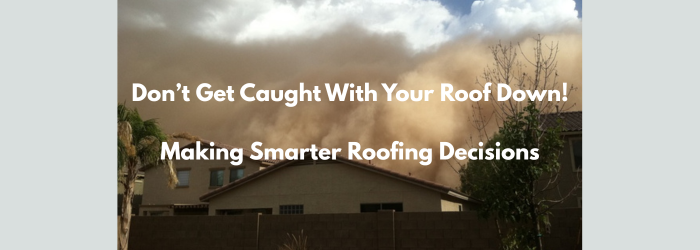
If you’ve lived in Arizona for any length of time, you know how quickly monsoon season can arrive. One day, it’s all sunshine and breezes that feel like you’re opening an oven directly onto your face, and the next, powerful winds, torrential downpours, and dust are hammering neighborhoods across the Valley.
Homeowners know to secure patio furniture and stock up on batteries, of course, but many overlook one of the most important parts of preparation: their roof and gutter system. Monsoons have a way of exposing weaknesses that may have been developing for months – or even years.
A little preventative maintenance can go a long way toward avoiding costly repairs. According to Alonso Popejoy, owner of Rosie Certified Armored Roofing, homeowners shouldn’t wait until they see water dripping from the ceiling to take action.
Small problems become big problems fast
“Monsoon season sneaks up fast here in Arizona, so before that first big storm hits, homeowners should definitely check their roof,” Alonso said.
Arizona’s intense sun is hard on those materials, causing expansion, contraction, and deterioration that may not be obvious from the ground. From there, the type of roof determines what you should be looking for before storm season begins.
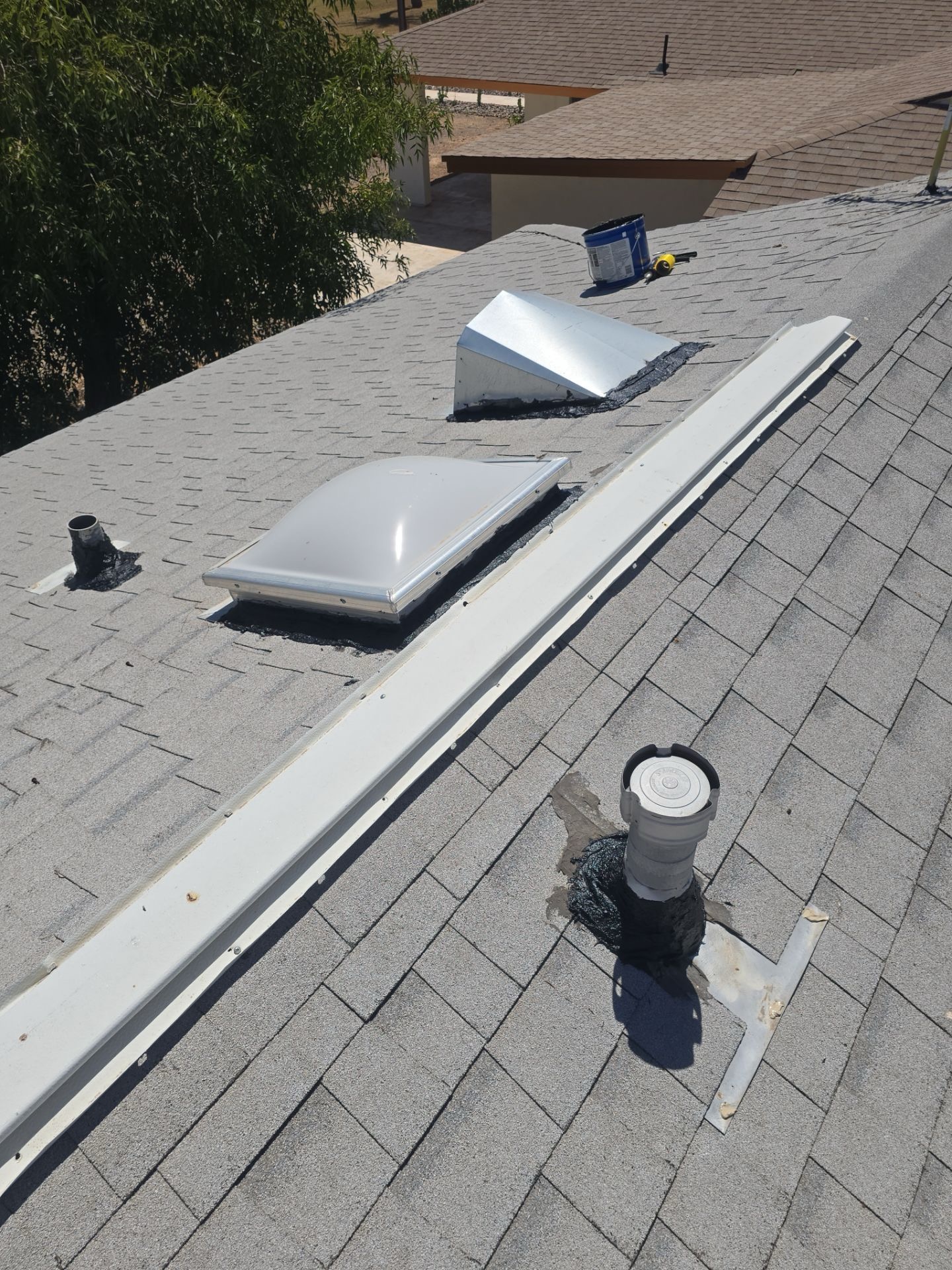
For shingle roofs, missing shingles are one of the biggest red flags. Homeowners should also pay close attention to pipe jacks and roof penetrations. The rubber seals around these areas naturally break down over time.
“With our Arizona heat, those rubber seals can crack over time, and that’s an easy way for water to get inside,” Alonso explained.
Alonso recommends recoating foam roofs every 5 to 7 years to maintain protection. Tile roofs come with their own vulnerabilities, too. Missing or slipped tiles can leave portions of the roof exposed, while cracked mortar caps can create openings for water penetration.
Foam roofs also require regular monitoring. Cracks in the foam or areas where the protective coating is wearing thin can quickly become problem spots during heavy rains. In other words, some homeowners dismiss these issues as cosmetic or harmless, but monsoon season has a way of proving otherwise.
Roof maintenance oftentimes falls into the category of “out of sight, out of mind.” If there aren’t any obvious problems, it doesn’t make the to-do list. But waiting until there’s visible damage can be an expensive mistake.
“Honestly, the best thing you can do is have your roof inspected by a professional roofing company at least once a year,” Alonso said.
Annual inspections can detect cracked penetrations, broken tiles, lifted shingles, and worn areas before they become emergencies. Better yet, scheduling an inspection before the monsoon season provides an opportunity to address minor concerns while repairs are simpler and less costly.
One of the biggest misconceptions Alonso encounters is the belief that no leaks means no problem.
“One of the biggest misconceptions is people think, ‘If it’s not leaking, I’m good,'” he said. “But a roof can have damage long before water ever shows up inside the house. Arizona heat is brutal on roofing materials, and monsoon storms expose weak spots fast.”
Gutters matter, too
Although gutters don’t always get much attention in Arizona, they play an important role during monsoon season. As Alonso explained, gutters help divert water away from the house and protect your foundation.
When they aren’t functioning properly, water doesn’t simply disappear. Instead, it collects where it shouldn’t. Homeowners should watch for warning signs such as overflowing gutters, sagging sections, water spilling over the edges, staining on stucco, and areas around the home that remain wet long after the storm has passed. Clogged or damaged gutters can affect more than just the roof itself.
“If gutters are clogged or damaged, water starts backing up against the house instead of draining away,” he said. “That can cause damage to fascia boards, trim, stucco, landscaping, and even lead to foundation issues over time.”
Poor drainage often creates a domino effect throughout the home. These repairs can quickly add up, especially when moisture reaches interior spaces. Even a small leak can create widespread damage if left untreated.
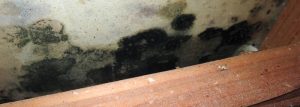
If you have a roof leak and don’t address it, it can deteriorate drywall, lead to mold, damage flooring, and create much bigger problems inside the home.
Warning signs may include yellow or brown ceiling stains, bubbling paint, swelling drywall, musty odors, and water bubbles appearing on walls or ceilings. The sooner you catch it, the cheaper the repair usually is, according to Alonso.
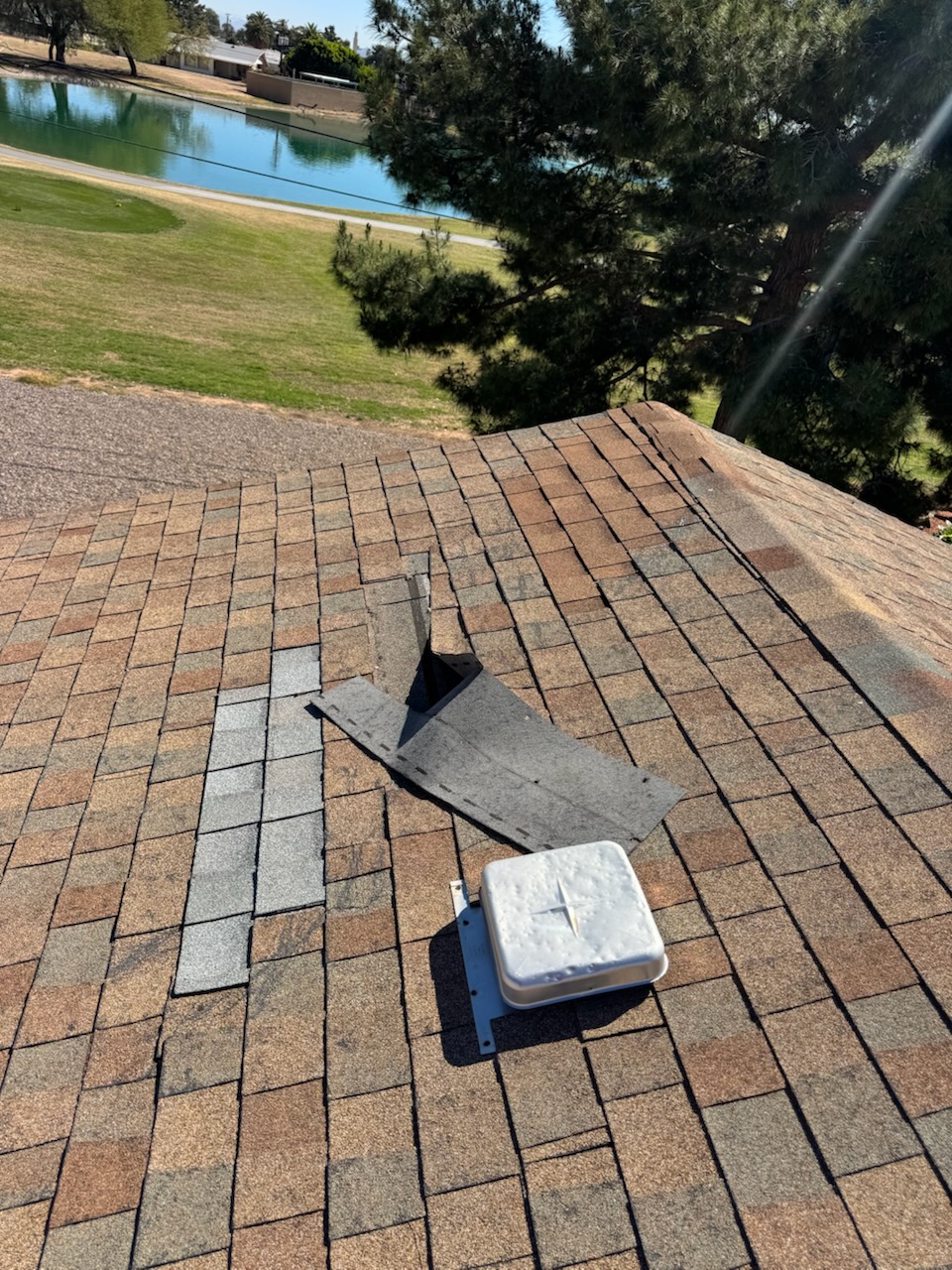
What to do after high winds and heavy rain
After a storm passes, homeowners can conduct a visual inspection from the ground – look for anything out of place, missing, or anything that doesn’t look right. It’s also wise to check the yard and the gutters for debris that may have blown off during the storm.
“High winds can cause missing or lifted shingles, broken or slipped tiles, and can even damage foam roofs by tearing or lifting sections,” Alonso said.
After any major weather event, he recommends taking a walk around both the interior and exterior of the home within the first 24 to 48 hours. If something appears unusual, resist the urge to climb onto the roof yourself – that’s what the pros are for.
Prevention is cheaper than repairs
Life gets busy, and not every homeowner has the time or budget for a lengthy list of projects before monsoon season arrives. If you have just one weekend to focus on storm preparation, Alonso recommends prioritizing existing issues first.
“If you know you have a leak, take care of it right away because the longer it sits, the more expensive it gets,” he said.
He also encourages homeowners to schedule an annual roof inspection before storms roll in. These inspections catch issues such as cracked penetrations, missing tiles, lifted shingles, or worn areas. Even minor repairs deserve attention straight away – small repairs can turn into big problems with just one storm.
Homeowners can’t control when the next monsoon storm will arrive or how intense it will be, but they can control how prepared their homes are before the clouds roll in. A yearly inspection, functioning gutters, and attention to small repairs can help save thousands of dollars in preventable damage.
###
CONTENT PARTNER | ARMORED ROOFING
At Armored Roofing, we believe in doing the right thing, the right way, every time. We understand that our clients have options when it comes to choosing a roofing company, and understand why price is important. For us, it is important for our potential clients to understand that when it comes to your roof you will always find someone willing to cut corners to offer a lower estimate, or inflate prices to make more profit. We pride ourselves knowing that Armored Roofing does neither, which gives our clients the satisfaction they are looking for, every time, guaranteed.
PODCAST
Your roof is the shield that protects everything inside the home. Visible roof observations, inspections and regular maintenance are the best way to avoid post storm damages. Alonzo Popejoy of Armored Roofing USA specializes in all types of roof coverings. He gives his thoughts on underlays which is the most important roof component. And his unconventional entry into the roofing business. Plus homeowners with their roofing questions.
Broadcast Archive Page With Expanded Content
PHOTO CREDIT
- Armored Roofing