Healthy plants can brighten a home, improve curb appeal, and create a more comfortable space. Even so, even the most dedicated plant owners occasionally find themselves staring at a struggling shrub, wondering w here they went wrong.
On the plus side, plants often provide clues when something isn’t right. From changes in leaf color to unusual textures and growth patterns, many common plant problems can be identified early – if you know what to look for.
According to Justin Rohner, founder of agriscaping.com, one of the best places to start is with the leaves.
“The leaves can tell you nearly everything you need to know,” Rohner said. “Any change in color, sheen, texture, or edge uniformity can indicate a shift in the health of the entire plant.”
By learning how to read those signals, homeowners can often correct problems before they become unfixable.
Start with the obvious signs.
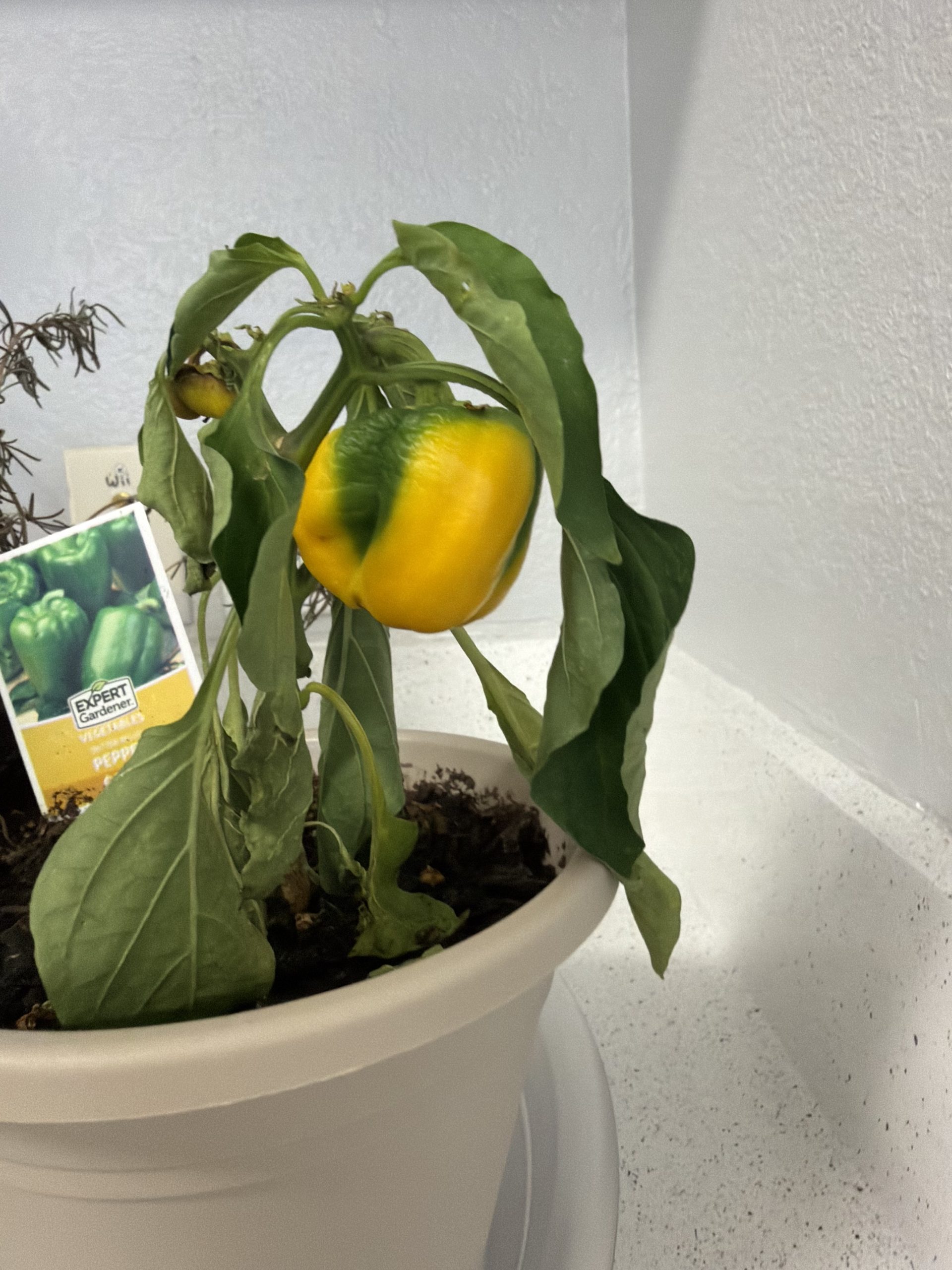
When diagnosing plant health issues, leaves act like a report card for the entire plant. Yellowing, browning, curling, spots, holes, or changes in texture can all point to underlying issues. Healthy leaves generally have consistent color, structure, and shape. When those characteristics begin to change, it’s time to investigate.
For example, leaves that suddenly become dull or discolored may indicate nutrient deficiencies, watering issues, or environmental stress. Curled edges might mean moisture problems; holes or irregular markings may suggest pests or disease.
Rather than focusing solely on the affected leaf, consider what the symptom may be revealing about the plant. Yellow leaves are among the most common concerns homeowners encounter, but they don’t always have the same cause.
While occasional yellow leaves may be part of a plant’s natural growth cycle, widespread yellowing should prompt a closer look at watering habits, drainage, and soil health, and any necessary adjustments.
Overwatering and under watering
One of the most common plant care mistakes is also one of the easiest to overlook: improper watering. Because both too much and too little water can make plants look unhealthy, many people struggle to tell the difference. The leaves often provide a hint.
“When most plants are under-watered, they wilt, and the leaves either fold, or tilt downward, or both, and when they do, the edges of the leaves remain relatively straight,” Rohner said.
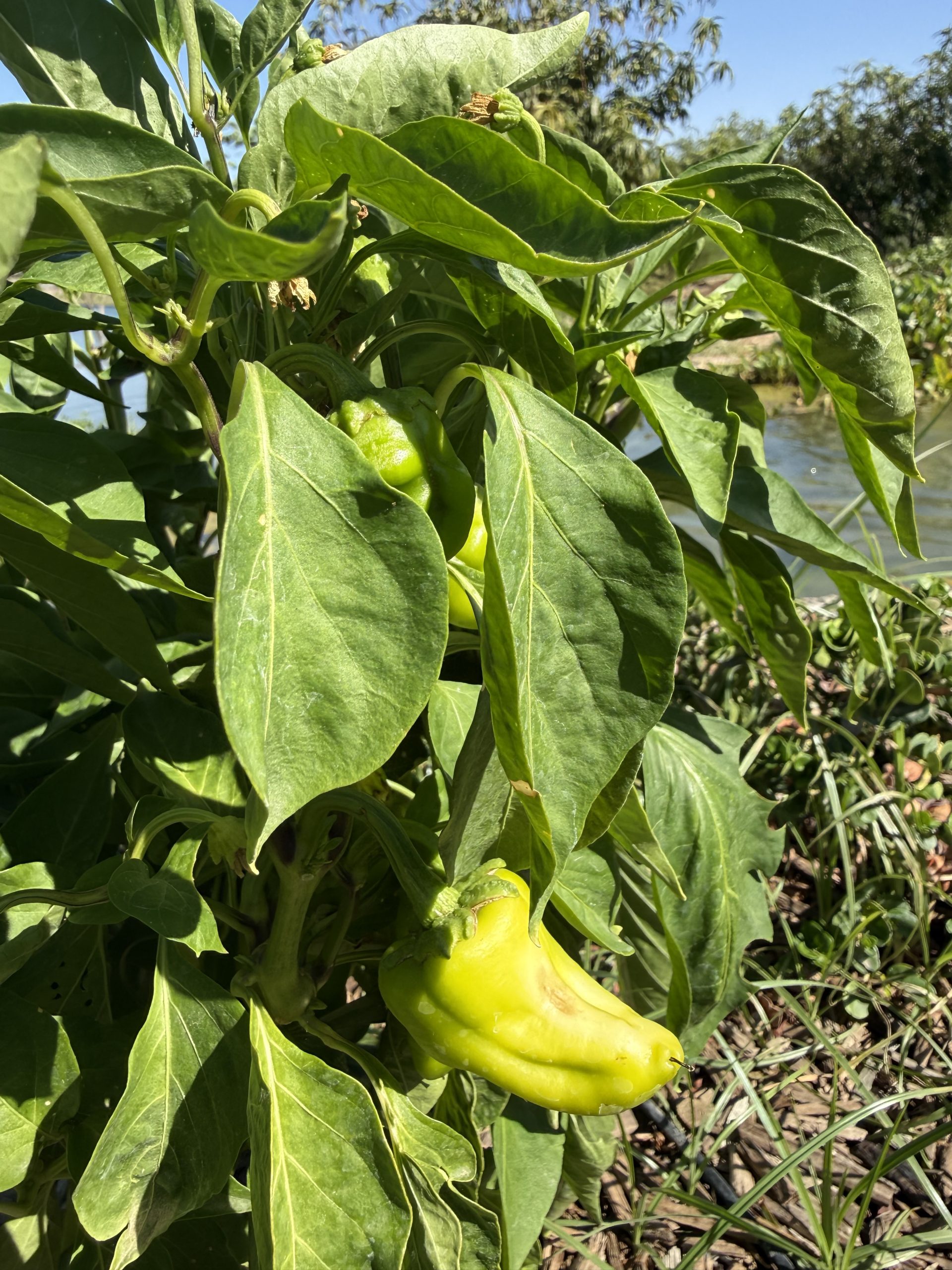
Overwatered plants tend to behave differently. “When you over-water, or the plant does not have enough soil drainage, the roots begin to rot, and the leaves shrivel or ‘pucker,’ and the edges of the leaves typically curl or get wavy rather than wilt,” he said.
Another early warning sign can appear before root rot develops: the leaves will often turn more yellow, starting at the outer edge. If you’re unsure which issue you’re dealing with, check the soil before reaching for the watering can. If the soil is consistently soggy, reduce watering and improve drainage; if it is dry, water the plant more thoroughly.
Pests, disease, and environmental stress
Insects, fungal diseases, and environmental conditions can all affect plant health. Fortunately, these problems often leave distinct signs behind.
“When looking at the leaves, pest and disease issues typically show up as either pitting, holes, or irregular patterns of color on the leaves themselves,” Rohner said.
Environmental stress tends to appear differently. Extreme temperatures, poor soil conditions, excessive sun exposure, or sudden weather changes may cause discoloration, leaf drop, or slowed growth without the characteristic holes and spotting associated with pests.
Paying attention to the pattern of damage can help narrow down the cause and determine the most effective solution. Use these clues to check watering, pests, disease, or environmental stress in order, then address the most likely cause first.
Healthy soil = healthy plants
Prevention is often easier than treatment when it comes to plant health. One of the best ways to avoid common problems is to focus on soil quality.
“When the soil is healthy and alive, and not regularly bombarded with synthetic fertilizers, the plant itself can easily self-regulate and grow healthy itself,” Rohner said.
Healthy soil supports beneficial microorganisms, improves water retention, enhances drainage, and helps plants access nutrients more efficiently.
Before giving up on a struggling plant, Rohner outlined a simple process for detecting potential problems. First, evaluate watering practices and make corrections if necessary. Then monitor the plant for changes before moving on to other possible causes.
Overwatering and underwatering are responsible for many plant issues and should be ruled out before exploring more complex causes. Once watering has been addressed, watch the plant closely to see whether conditions improve; if not, move on to the next cause.
“If less than 25 percent of the plant is affected by a problem, consider cutting those parts off,” Rohner said.
However, he advises caution when pruning larger plants and trees. If this plant is bigger than you, consider consulting an arborist before making cuts on branches thicker than a pencil in diameter.
Removing damaged growth can sometimes help plants redirect energy toward healthy new growth and recovery. Just like people, plants need proper nutrition to thrive, and Rohner recommends fertilizing most in-ground plants quarterly.
Container plants often require more frequent feeding – typically once a month, especially when the plant itself exceeds the size of its container – because nutrients are depleted more quickly in limited soil volumes. Keep that schedule consistent to support healthy growth, stronger root systems, and greater resilience to stress.
Beginners, start here!
Arizona plant owners know that weather can significantly affect plant health, and extreme heat stresses all plants – but not all respond the same way.
“Some just slow down and go relatively dormant and prefer only moderate watering, others are stimulated by the heat and want to feed and grow!”
By paying attention to leaves, maintaining healthy soil, watering appropriately, and responding quickly to warning signs, aspiring and seasoned plant lovers can often solve problems before heading to the nursery for a new batch.
In many cases, a struggling plant isn’t dying – it’s communicating that it needs a little extra attention. With a careful eye and timely action, homeowners can keep plants healthier for longer.
###
Homeowner Handbook | #DiagnosingPlantHealth
PHOTO CREDIT
- Agriscaping