Arizona’s monsoons bring welcome rain and – slightly – cooler temperatures, but they also deliver powerful winds, lightning and sudden power surges that can take a toll on your home’s electrical system. Afterward, do you remember to check your electrical components? Most often, the answer is no – until there’s a problem.
A few preventative steps and knowing what warning signs to watch for can help protect your home and potentially avoid expensive repairs. According to Jon Bolenbaugh of The Mighty Electricians, a Rosie on the House Certified Partner, a little attention can go a long way.
Before the storm arrives
One of the smartest investments homeowners can make is installing a whole-home surge protector. Unlike the power strips people use for TVs or computers, a whole-home surge protector is installed directly at the main electrical panel. It helps shield major appliances and built-in electrical equipment – such as AC units, ovens, ranges, and other hardwired systems that can’t be plugged into a traditional surge protector.
“A whole-home surge protector is definitely worth the investment,” Bolenbaugh said. “It protects the major electrical components in your home that you can’t put on a plug-in surge protector.”
That doesn’t mean homeowners should skip surge protection inside the house. Electronics like computers and gaming systems should still be plugged into quality surge-protecting power strips for an additional layer of defense. During severe lightning storms, however, even those precautions have their limits.
“During a monsoon, especially when there’s a lot of lightning, we’d like people to turn off their TVs and unplug sensitive electronics, if possible,” Bolenbaugh said. “If there’s a big lightning strike nearby, a surge can still cause damage.”
Don’t ignore the warning signs
After the storm passes, it’s worth taking a few minutes to observe how your home’s electrical system behaves. Flickering lights, outlets that suddenly stop working, breakers that repeatedly trip, or the smell of something burning should never be ignored.
While some issues may seem insignificant, they could indicate damage hidden behind walls or inside the electrical panel. Lightning strikes can be particularly destructive, even if they don’t directly hit your home.
“We’ve seen electrical panels and equipment burn because of lightning,” Bolenbaugh said. “It actually happened at my mom’s house. Lightning hit the power pole, blew up the transformer, and sent the wrong voltage into the house.”
In situations like that, the damage isn’t always immediately visible. Sensitive electronics may fail weeks later, or electrical components may have been weakened without obvious signs.
If your home was struck by lightning (or you experienced a power surge), it’s a good idea to have a licensed electrician inspect the system.
Make electrical inspections part of your home maintenance
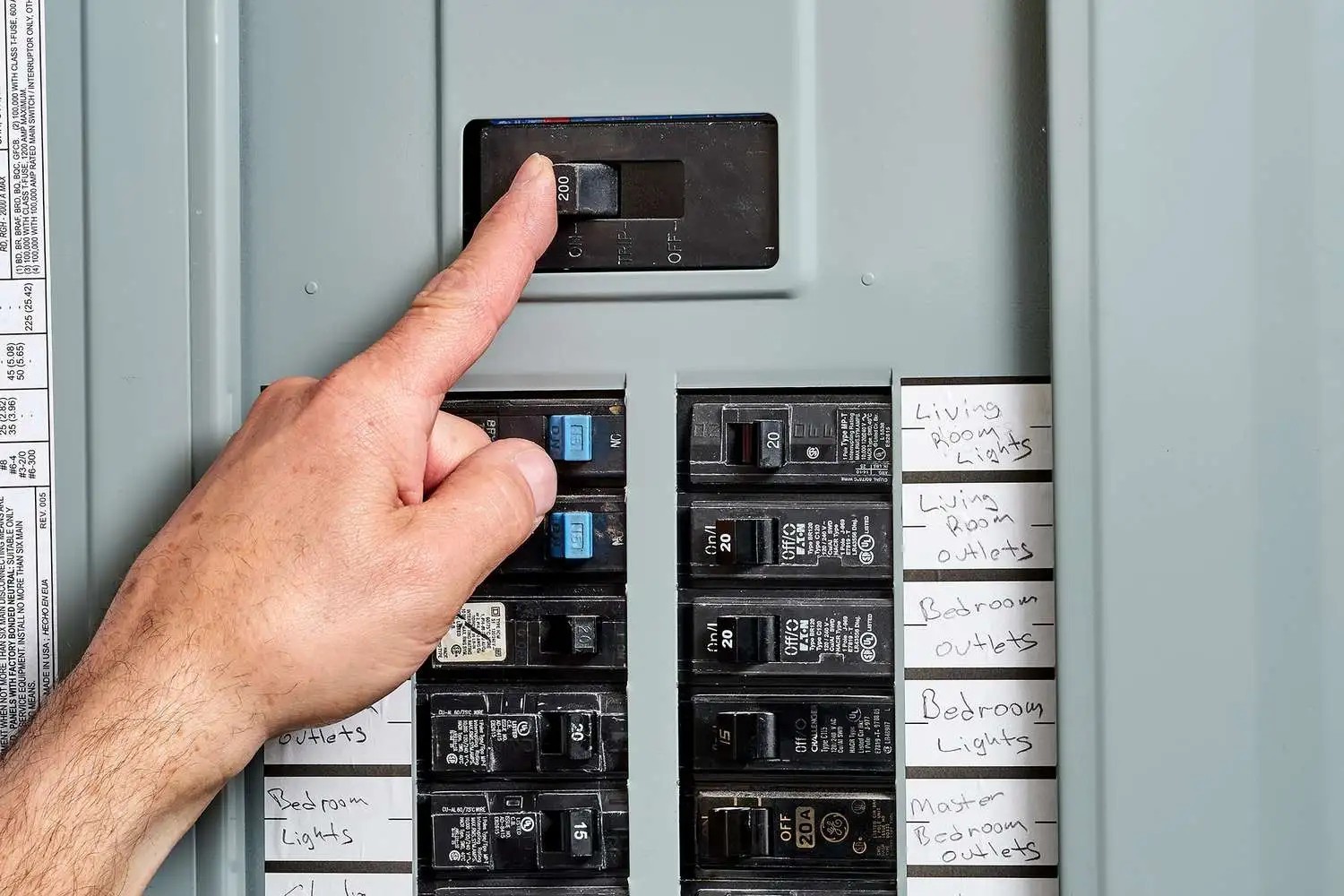
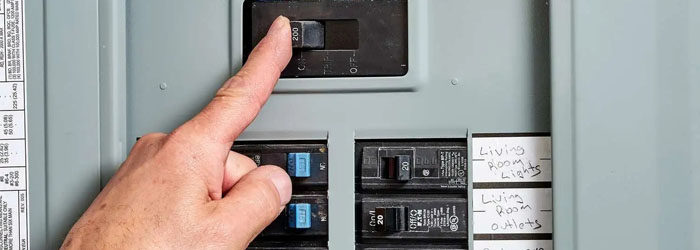
Most homeowners think about HVAC maintenance or roof inspections, but electrical systems also deserve routine attention. Bolenbaugh recommends having the home’s electrical panel professionally inspected about every 10 to 15 years, although older homes may benefit from more frequent evaluations.
Modern electrical panels also include safety devices that homeowners can test themselves.
Ground-Fault Circuit Interrupter (GFCI) outlets – the ones commonly found in kitchens, bathrooms, garages, and outdoor areas – have built-in test buttons and should be tested regularly.
Many manufacturers recommend monthly testing, much similar to checking smoke detectors.
Newer homes may also have Arc Fault Circuit Interrupter (AFCI) breakers designed to detect dangerous electrical arcing. These breakers also include testing features and should be checked according to the manufacturer’s recommendations.
Older and newer homes
Electrical systems age just like everything else in the home, but that doesn’t mean newer homes are maintenance-free.
Older homes may contain aluminum wiring, which behaves differently from copper wiring. Because aluminum expands and contracts more with temperature changes, connections can loosen over time, increasing the possibility of overheating if they aren’t properly maintained.
Newer homes, on the other hand, often include more advanced electrical panels equipped with additional electronic safety features. While these technologies improve protection, they also mean homeowners should understand how to test and maintain them properly.
Don’t overlook your outlets
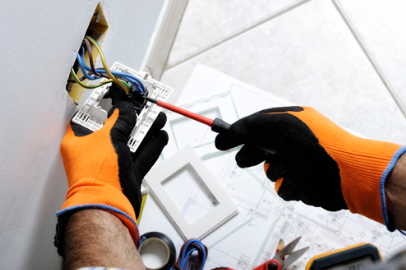
Electrical outlets are some of the hardest-working components in any home. Every time a cord is plugged in or removed, the internal contacts experience a little wear.
Eventually, outlets can become loose, causing plugs to fit poorly. That loose connection can generate heat, increase the risk of damaged wiring, or scorch around the outlet. If plugs slip out easily, outlets feel warm to the touch, or you notice discoloration, it’s time to have them checked.
Many homeowners also choose to replace older outlets during remodeling projects, upgrading to tamper-resistant versions that provide additional protection for children while giving the home a refreshed appearance.
Prevention is key
When something does go wrong, Bolenbaugh encourages homeowners to be active participants in the repair process.
“I think it’s a good idea for homeowners to ask their electrician to show them what’s going on and explain what they’re fixing,” he said. “The more you understand about your home, the better informed you’ll be.”
A trustworthy electrician should be willing to explain what caused the issue, how it was repaired, and whether there are other concerns worth monitoring.
Professionals can also spot problems homeowners might not see themselves. While working in attics, crawl spaces, or utility areas, they may notice damaged ductwork, plumbing issues, or other maintenance concerns unrelated to the electrical work. Think of them as another set of experienced eyes looking out for your home’s overall condition.
Installing a whole-home surge protector, protecting electronics, testing safety devices, and paying attention to warning signs after storms can all help reduce the risk of damage. Pair those habits with periodic professional inspections, and you’ll be better prepared for whatever monsoon season brings.
###
PODCAST
PHOTO CREDIT