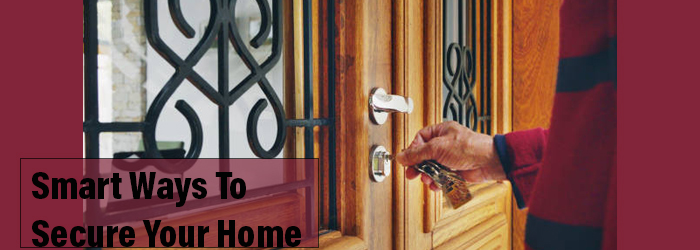
Door hardware, locks and keys are often the first line of defense between your home and the outside world – yet they are easy to overlook until a lock becomes difficult to use or a key goes missing.
Today’s doors have many options, from traditional keyed locks and heavy-duty deadbolts to electronic locks, keypads and smart-home systems. With all those choices comes a question: Which upgrades actually make sense for your home?
Jared Wright of Harmony Security and Jeff Gallian of Arcadia Window and Door share what homeowners should know before replacing their locks or upgrading their door hardware.
Choosing the right lock
When selecting new hardware, families might start with style and price, but security and functionality should be part of the conversation, too. Wright recommends looking for locks with anti-bump technology.
Lock bumping is a quick, non-destructive method of opening certain pin-tumbler locks, so choosing hardware designed to resist it can provide more protection. Technology has also changed what a “key” looks like.
“Options are usually based on smart-home technology. Locks that allow access through a phone app to lock or unlock remotely eliminate the need to hand out keys,” Wright said.
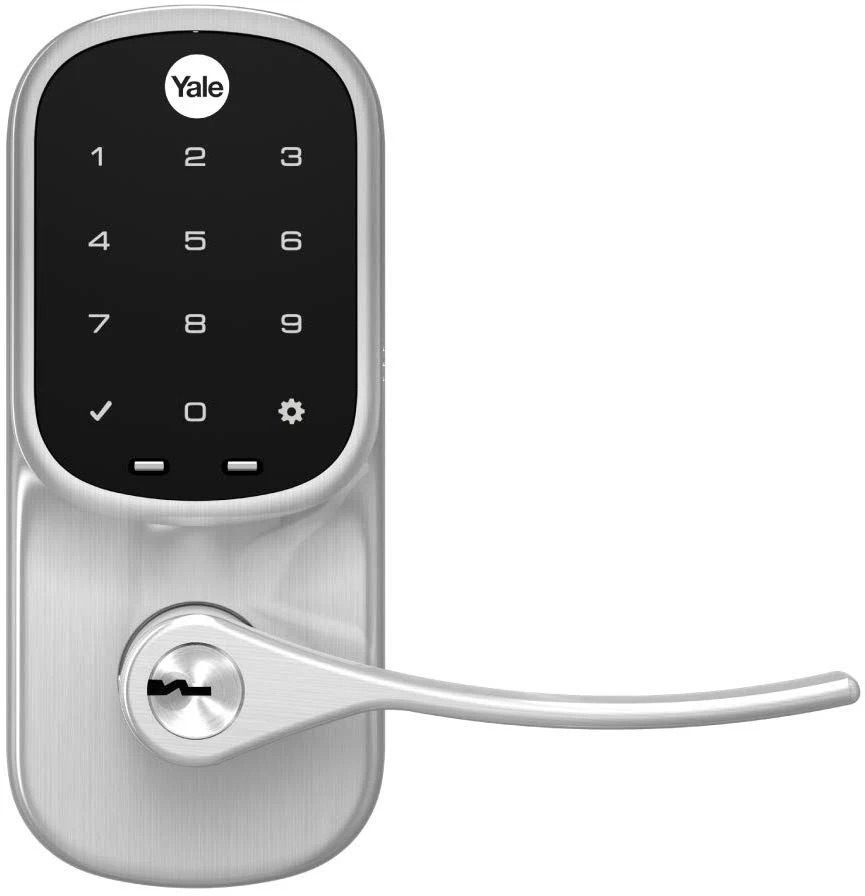
For those considering smart locks, Wright recommends looking for products featuring Z-Wave or Zigbee technology. These locks connect to a main security system operating on a cell signal. No internet or Wi-Fi is used.
“Security companies will recommend either for keyless entry, but if you had to choose between using Wi-Fi or hardwired internet, hardwired is much more reliable,” he said.
When you lock or unlock your door through the app, the signal will go to the closest cell tower in your neighborhood. It will then go to the security keypad and then use the Z-Wave or Zigbee signal to go to the door.
Gallian said that homeowners also have a choice between traditional keyed locks and newer electronic locks that can be configured for keypad or Wi-Fi access. With the steady stream of new smart-lock technologies entering the market, he recommends researching the available options before making a choice.
Knowing when to replace or rekey a lock is another important concern. According to Wright, some well-built brands may last indefinitely, but a sticky key can be an early warning sign.
“Once a key starts feeling sticky, the key may be worn down, or the pins may be worn away. This is the typical time to replace the lock.”
Rekeying can make sense when you want an existing lock to work with a different key. Gallian says it is also worth considering when there is a concern that someone else may still have a key.
Keys, garage doors and security upgrades
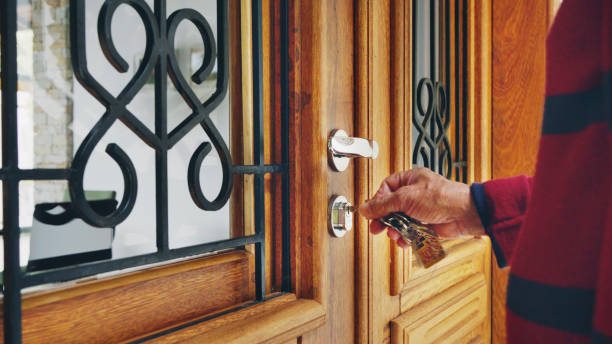
One of the easiest ways to improve home security is also one of the easiest: Stop handing out physical keys whenever possible.
“Once the key has left your possession, any number of copies can be made. Smart locks with a PIN pad eliminate handing out keys,” Wright said.
For situations where someone else may need access, Gallian suggests another layer of protection. For example, renters or homeowners who are required to provide a key to a landlord or HOA representative may want to consider a second lock.
Another step is changing the locks when moving into a new home. Even if the previous owner or tenant seemed trustworthy, there is no way to know how many copies of a key may exist.
Replacing or rekeying the locks puts control of access back in the hands of the new homeowner.
Garage-to-house doors deserve attention, too, since the garage can serve as another entry point to the home. Wright says LiftMaster, Chamberlain, and Genie garage doors can integrate with the same security system app a homeowner is already using.
Gallian recommends keeping the physical hardware equally secure: “A good quality deadbolt should be sufficient. I basically always have garage-to-house doors prepped with two bores just as I do for an exterior door.”
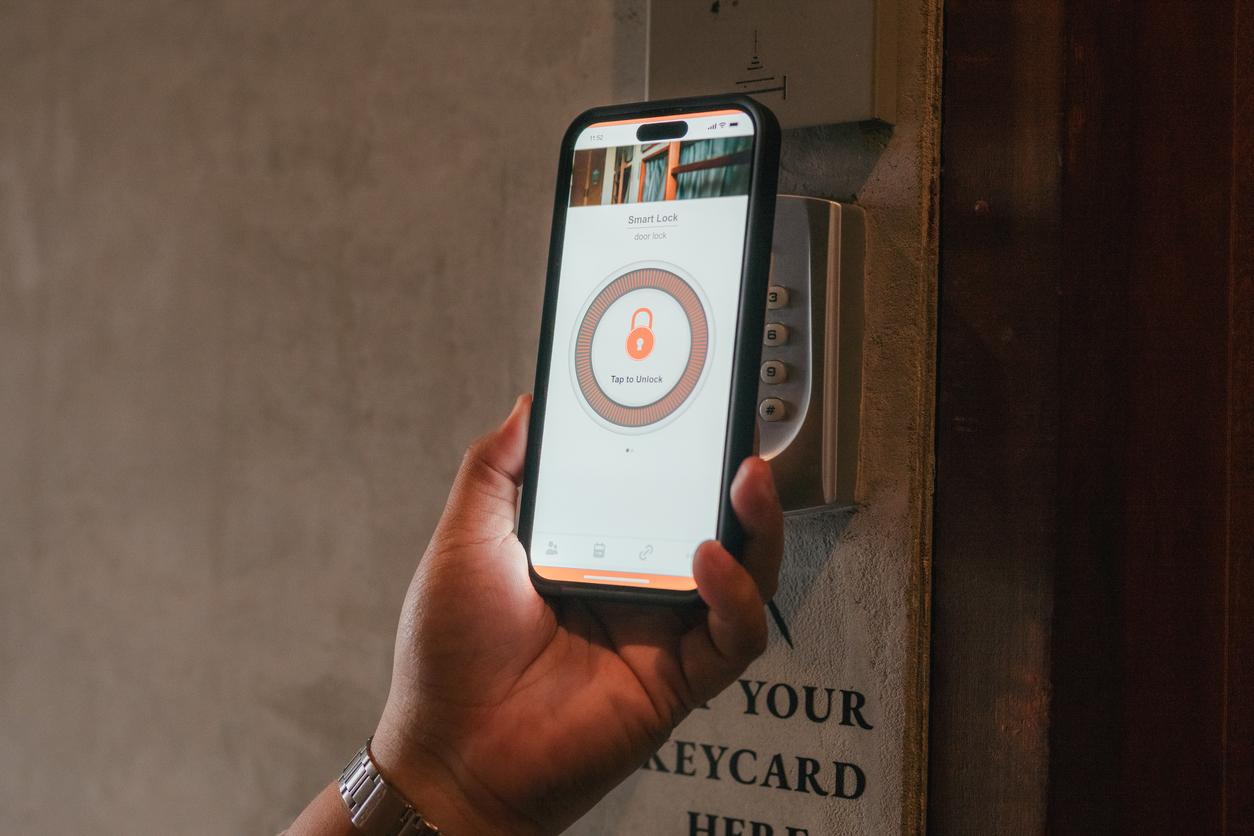
For homeowners looking for straightforward upgrades, Wright recommends smart locks, PIN pads and doorbell cameras. “A doorbell camera to see who’s accessing the home or a smart lock that reports usage” can give homeowners greater visibility into who is coming and going.
Better door security doesn’t require a complete overhaul of a home. A quality deadbolt, hardware, controlled access, and smart tech can go a long way. The key – pun intended – is to choose upgrades that fit your household while making it harder for unwanted visitors to get through them.
###
Homeowner Handbook | #LocksKeysAndMore
PODCAST
PHOTO CREDIT
- ZWave
- Istock