
Keeping a house looking its best doesn’t always require a major renovation. Sometimes, the projects that make the biggest difference are the ones we overlook: a walkway that disappears at night, dusty windows, tired fascia, or a garage floor that has seen better days.
Small updates can improve curb appeal, cleanliness, and function while helping homeowners avoid more expensive repairs. Here are five areas worth adding to your home-maintenance radar.
Pathway lighting
Windows and carpets
Heat, dry conditions, and that ever-present dust can be tough on windows and carpets. Chad Steger of Clearco Window and Carpet Cleaning says fine desert particles can settle on window glass, screens, tracks, and frames, while sunlight can bake that dirt onto the glass and make it harder to remove.
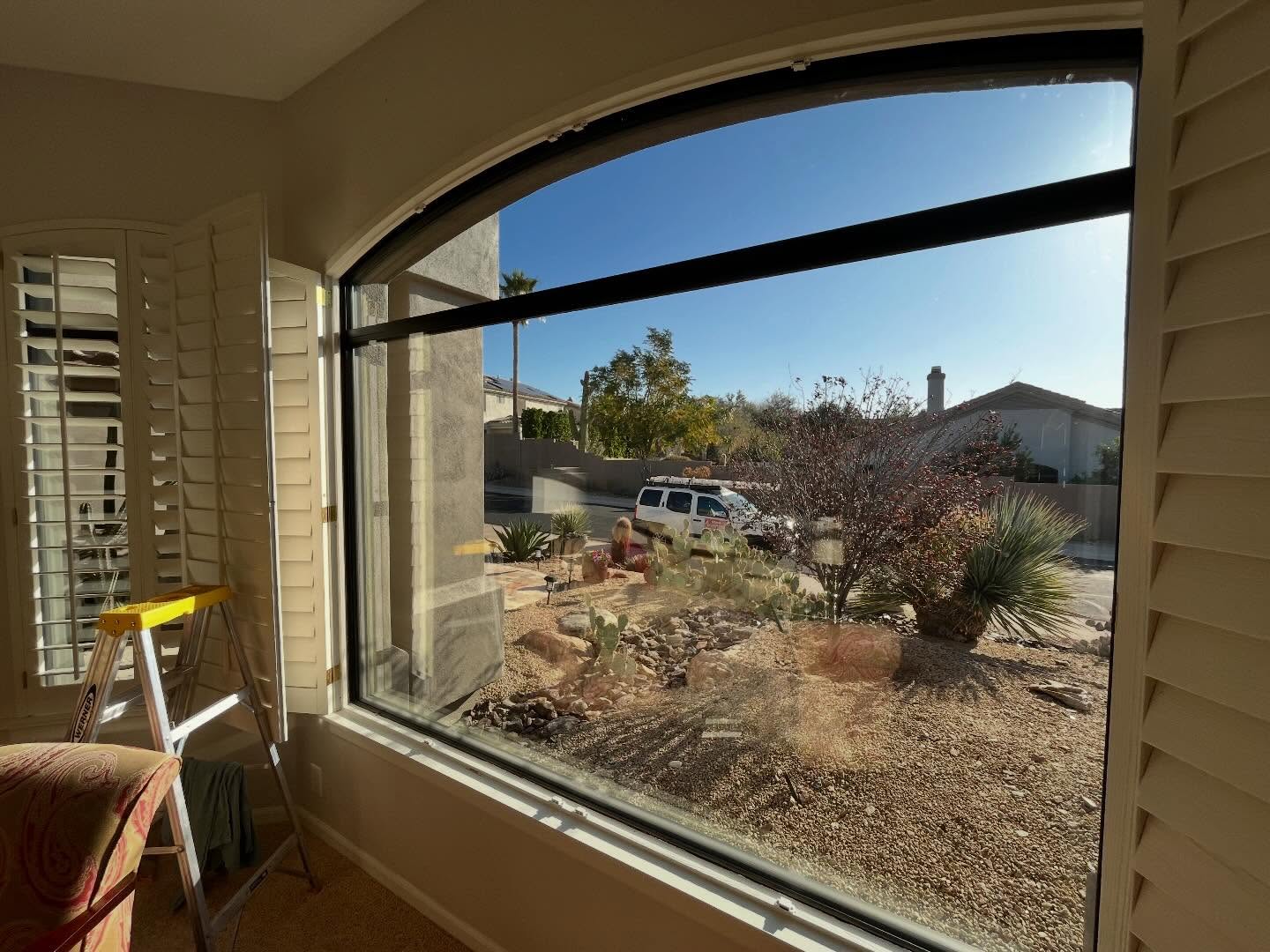
One of the biggest window offenders in Valley homes is hard-water buildup, particularly when irrigation or pool water repeatedly hits the glass. The resulting calcium and magnesium deposits can leave cloudy or crusty-looking spots. Many stains can be removed, but Steger said that severe buildup can etch the glass.
Carpets have their own challenges. Dust, dirt, crumbs, pet hair, etc., can be tracked inside and work deep into carpet fibers, where regular vacuuming may not remove it completely.
During monsoon season, Steger says strong winds, dust storms, rain, and humidity add another layer of trouble, with moisture, mud, and dirt getting tracked into homes. Increased humidity can also slow drying times, making it important to address moisture promptly. For carpets, frequent vacuuming, entry mats, and quick spill cleanup can keep small bits from setting into your carpet.
Christian Martinez of State 48 Window Cleaning says homeowners should also look beyond the glass when assessing whether windows need attention. Screens, tracks, sills, corners and drainage holes can accumulate dust, dead bugs, mildew and other debris.
*Rosie tip: Seals on double-pane windows can trap moisture between the panes, which cleaning alone cannot fix.
For a quick check, Martinez recommends looking at windows from a few feet away at an angle in sunlight. Spots and streaks that are difficult to see head-on often become obvious when the light hits them differently.
Clean windows can improve a home’s look by letting in more natural light, creating brighter views, and making the whole house feel fresher. Between professional cleanings, frequent dusting, keeping sprinklers away from the glass, and cleaning screens can keep windows looking their best.
Fascia and paint
Fascia plays an important role along the roofline and often supports the home’s gutter system. When paint begins peeling, or the wood becomes soft, the problem isn’t necessarily cosmetic.
Moisture is a major culprit. Poorly maintained gutters and roof drainage can allow water to repeatedly contact fascia and other exterior wood, causing deterioration and rot.
That’s why painting should start with an inspection and proper preparation. Remove peeling paint, address damaged wood, and clean the surface before applying a new coating. Painting over deteriorated material can hide a problem instead of solving it.
A fresh exterior paint job can certainly sharpen a home’s appearance, but the real goal is to protect the materials underneath. Think of good paint maintenance as both curb appeal and preventative maintenance.
Drywall
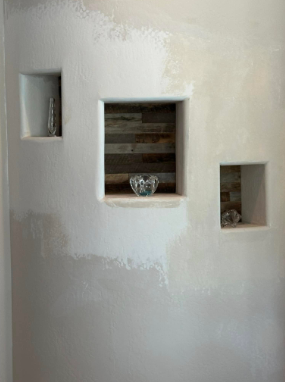
Arizona homes are no strangers to drywall cracks, but not every crack is necessarily cause for alarm. Rick Thompson of Thompson’s Drywall says the most common culprit is movement, which can result from foundation “heaving,” a settling addition, vibration, or age.
Because drywall is nonstructural and largely cosmetic, a small crack can often be repaired without turning into a major project. The important question is whether it keeps coming back.
“When does a crack need more than a simple patch? When it’s recurring,” Thompson says.
In that case, the area may need to be opened up or inspected from the attic to determine whether the framing is broken, something is resting on top of the drywall, or the backing is inadequate where two pieces of sheetrock meet.
The heat can also make drywall brittle and compromise its integrity. Thompson says some of the most common repairs he sees include stress cracks and water damage associated with air conditioning drain pans.
One problem families tend to overlook, he says, is a small crack. Waiting until it becomes substantially larger can turn a simple repair into a more involved one. One caveat: newly built or remodeled areas may need time to settle before repairs.
Epoxy garage floors
The garage floor might not be the prettiest part of the house, but it can greatly affect how the space looks and functions. Floor coatings are popular because they’re easy to maintain, aesthetically pleasing, and available at different price points.
According to Zander Lykins of Epoxy Strong, homeowners should select a solution that fits the concrete’s condition and their budget. Preparation is particularly important.
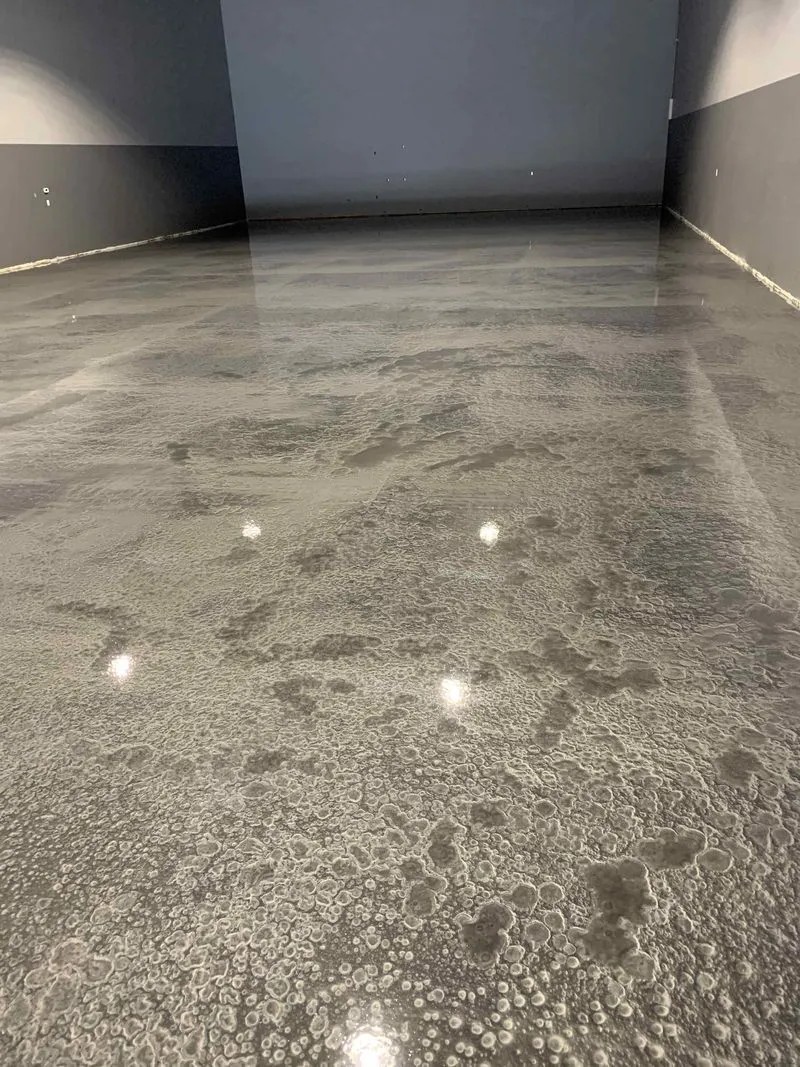
“Preparation includes grinding and patching cracks until they disappear,” Lykins says. “We begin by grinding the concrete or previous coating with a planetary grinder to achieve the appropriate surface, removing contaminants and vacuuming the area to encourage maximum penetration.”
They patch cracks before applying the selected finish. Finish options include stain, a single-color epoxy, decorative flakes, or metallic finishes. The condition of the concrete can affect the cost of preparing it for a coating, so Lykins recommends having the floor evaluated before choosing a solution. Once the coating is installed, maintenance is relatively simple.
“The only thing an epoxy floor needs to last is to be out of direct sunlight and cleaning,” Lykins says, noting that heat can be a major contributor to epoxy floor failures even when UV-stable products are used.
Keeping a house looking good isn’t about constantly changing it. Sometimes, it’s about caring for the details that are already there and giving the overlooked parts of your home a little attention before they become bigger projects.
###
Homeowner Handbook | #KeepYourHouseLookingSharp
PODCAST
PHOTO CREDIT
- State 48
- Epoxy Strong
- Thompson Drywall