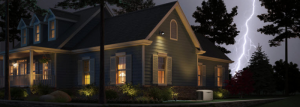

Arizona may be known for sunshine and blue skies, but longtime residents know that extreme weather is very much part of desert living. From violent monsoon storms and sudden microbursts to dust storms, wildfires, and prolonged heat-related power outages, homes across the state are routinely tested by natural forces. Preparing for these events means understanding the risks and taking preventative steps before the next storm rolls in.
Jim Kowalski, a Rosie on the House Certified Partner and co-owner of Kowalski Construction, said that many homeowners are surprised by how quickly things can go wrong when the weather shifts from calm to severe.
The most common damage
Monsoon season brings some of the most destructive conditions homeowners face. According to Kowalski, roof systems are often the first point of failure.
Roof damage from monsoon winds and microbursts – missing or lifted shingles/tiles, broken tiles, and damaged flashing – is one of the most common problems he encounters.
Short, intense rainstorms are another culprit, especially when drainage systems can’t keep up.
“Water intrusion from short, intense downpours that overwhelm gutters, scuppers, and grading, through roofing, windows, doors, etc., can cause damage to ceilings, walls, and flooring,” he said.
High winds don’t stop at the roofline. In many neighborhoods – particularly mobile home communities – outdoor structures take a serious beating.
Dust storms, or haboobs, also create issues that homeowners don’t always expect.
“Dust intrusion and mechanical issues from haboobs are a big one, plus power surges and outages that can damage HVAC and electrical systems,” Kowalski said.
Fire is an increasing issue in outlying areas as well.
Monsoon flooding and sudden downpours
Even though rainfall is infrequent for much of the year, Arizona storms deliver water fast – and homes should have clear pathways to move it away safely. Kowalski said that basic maintenance makes a huge difference.
“Maintain clear drainage paths for water: clean gutters, downspouts, roof drains and valleys, especially before and after monsoon season so water moves away from the house instead of backing up,” he said.
Grading is another often-overlooked issue that can lead to foundation damage. Soil should slope away from the foundation, so water doesn’t pond against stem walls or slab edges. Openings around the home deserve special attention as well.
“Seal and maintain door thresholds, window caulking, weatherstripping, and penetrations, especially at patios and sliding doors where wind-driven rain can blow in,” Kowalski said. “Seal foundations at planter boxes that are adjacent to them, and install or maintain splash blocks, extensions, or French drains at downspouts to carry water well away from the structure.
Microbursts and high winds
Microbursts can strike with little warning, producing powerful, localized winds that exceed the capacity of many structures. Regular inspections are key.
“Have the roof inspected at least annually and after major storms to identify loose tiles/shingles, cracked tiles, failing sealant, and damaged flashing before the next event,” Kowalski advised.
Older outdoor structures are especially vulnerable. Reinforce or upgrade patio covers, carports, pergolas, and awnings with proper anchoring, bracing, and hardware; older un-engineered structures are often the first to fail in microbursts. Landscaping also plays a role.
“Keep trees trimmed away from the roof and structures so large limbs are less likely to run against or break and fall onto the home during severe winds,” he said.

Power outages during extreme heat
Extended power outages during Arizona summers can quickly turn dangerous. Planning can keep homes safer and more comfortable.
“Install a properly sized backup generator (portable or standby) to run critical loads like HVAC, refrigerators, and medical equipment,” Kowalski said. Homes that are sealed and insulated hold onto cooler air longer.
Improve insulation and air sealing in attics and walls by installing low-E, high-performance windows to reduce interior heat buildup when the A/C is offline. Add shading (awnings, sunscreens, shade structures) that can withstand wind to reduce solar load on glass and walls.
Reducing wildfire risk
For homeowners in desert and foothill areas, wildfire preparation is just as crucial as storm planning. Creating defensible space can dramatically reduce risk, and the area closest to the home is especially critical.
“Create and maintain a zone around the home, typically at least 30 feet, by thinning or removing fine fuels (dry grass, brush, dead plants) and spacing out shrubs and trees,” Kowalski said. “In the first 0-5 feet from the structure, use non-combustible surfaces like gravel, rock, or pavers instead of wood mulch, and keep this zone free of vegetation and stored items.”
Trim tree branches so canopies don’t touch the ground and keep branches at least 10 feet away from structures and chimneys. It’s also a good idea to separate shrubs from tree canopies to prevent “laddering” fires.
Store firewood, lumber, and propane tanks away from the house with clear, non‑combustible space around them.
Securing outdoor items before storms hit
Flying debris causes more damage than many homeowners realize. A little preparation goes a long way. Protect lightweight items: cushions, umbrellas, small planters, toys, grills, and decor should be stored in a garage or shed before storms.
Even heavier items can become dangerous projectiles.
“Retract or remove fabric awnings, shade sails, and gazebo tops ahead of high-wind events; these are frequently torn or ripped away during microbursts,” Kowalski said.
What happens after?
Once the skies clear, a careful inspection can prevent minor problems from becoming expensive repairs. From the ground, look for missing or shifted shingles/tiles, broken tiles, exposed underlayment, debris on the roof, or sagging areas. Inside, subtle signs shouldn’t be ignored.
“Check ceilings, walls, and around windows/doors for new water stains, drips, bubbling paint, or musty odors, especially under roof valleys and around skylights,” he said. “Mitigate your damages and be sure to document everything with photos and video before any temporary repairs, to support any insurance claim.”
Consistency is key. Make sure you check your roof at least once a year in Arizona’s climate, and before and after major monsoon events or hail. Drainage systems need regular attention as well.
“Gutters/roof drains/scuppers should be cleaned and inspected 2-3 times per year: before monsoon season, after the heaviest storms, and once again in fall to clear dirt, leaves, and debris,” Kowalski said.
Arizona’s weather may be unpredictable, but the steps homeowners can take to prepare don’t have to be. With regular inspections, upgrades, and a little planning, it’s possible to significantly reduce the risk of storm, flood, wind, heat, and wildfire damage. Paying attention to how your home handles water, wind, heat, and surrounding vegetation not only protects your investment but also brings peace of mind – no matter what the forecast holds. Learn more at rosieonthehouse.com.
###
PODCAST
Jim Kowalski of Kowalski Construction joins Rosie to discuss how to handle weather related damage and restoration insurance claims. Plus the biggest mistakes homeowners make after wind, rain, or fire damage to the home. Mitigating and documenting damage immediately using professional restoration services. Updating your homeowner’s insurance coverage to avoid being underinsured. And more tips to reduce your risk against natural disasters.
Broadcast Archive Page With Expanded Content
PHOTO CREDIT
- Kowalski Construction