Owning a home comes with plenty of small maintenance jobs. Knowing what to look for can make the difference between a simple fix and a major repair, including whether you need a handyperson or a contractor. Water, aging paint, loose doors, overgrown trees, and improperly secured structures are just a few of the issues that can creep up over time.
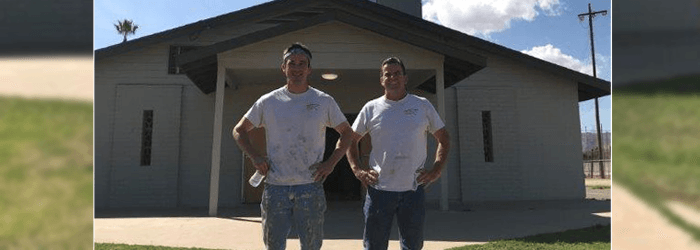
Fred Willsher, founder of The WILLSH Corporation – a Rosie Certified Partner – has seen many of the common problems homeowners deal with. His advice is to pay attention to the small stuff, address issues before they get worse, and know when a project requires more than a basic repair.
From the ground up
Foundations are key:
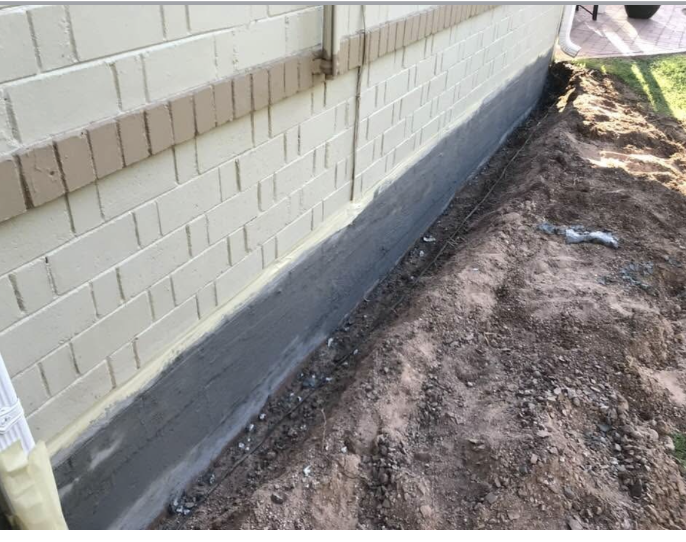
One of the most important places to start is the foundation. Homeowners may think of water damage as a roof or plumbing issue, but water that collects around the exterior of the house can eventually find its way inside. There should be 8″ of visible stem wall between exterior siding and the ground.
- Roof drainage is one potential culprit. Without proper drainage or gutters, rainwater can collect along the foundation.
- Landscaping and irrigation can contribute to the problem, too.
- Planters, shrubs, flowers, bubblers, and drip systems placed directly against the house can keep the foundation consistently wet.
“If we don’t have proper drainage and if the stem wall is built a little lower, it can seep through the plate line (if the house is stucco). It can seep underneath and into the house,” Willsher said.
He recommends sealing the stem wall. It is important to use the right product and follow the proper preparation process. He uses Thoroseal, a two-part application that involves digging down to the footing, sealing the stem wall from footing to plate line.
Check Roof Penetrations:
- Roof penetrations, such as plumbing vent pipes, can develop deteriorated seals. The material around those penetrations can crack and break down, letting water in.
- Parapets should be inspected. Large cracks along the top can allow water to run down the framed wall and eventually enter the home.
Windows deserve regular attention:
- Cracks in the stucco can let water in when the surrounding paint and sealant deteriorate. Cracks can be a problem on older homes. Willsher recommends that families consider repainting their homes every seven to 10 years to help alleviate this problem, although the appropriate schedule depends on the home and its materials.
Older homes with wood components can require even more maintenance. Wood fascia, for example, can be one of the highest maintenance exterior components of your whole house.
Don’t overlook the details.
Some of the most useful home improvements are simple to tackle. Doors, for example. Sagging doors can become difficult to close as the upper hinge pulls away from the framing. Rather than replacing the door immediately, Willsher said reinforcing the top hinge with a longer screw can often correct the problem.
Trees are another area to monitor. Branches that touch or sit directly over the house can cause several problems. They can provide a pathway for termites to reach the structure, while large, heavy branches can cause damage if they break.
Keeping trees several feet away from the home and thinning branches can help. Instead of letting dense branches catch the wind, properly maintained trees allow air to move through them, reducing the likelihood that branches will snap and hit the house.f
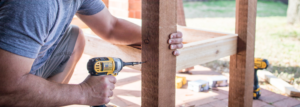
“Hanging doors? Installing a window? That’s handyman territory,” Willsher said.
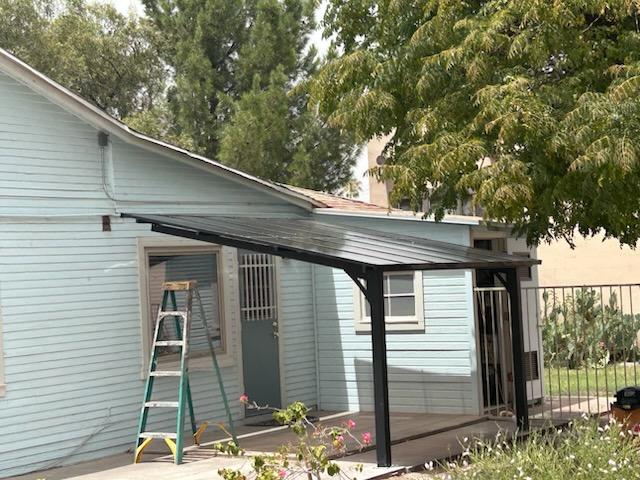
Knowing when a job is appropriate for a handyperson and when it calls for a contractor is an important part of home maintenance.
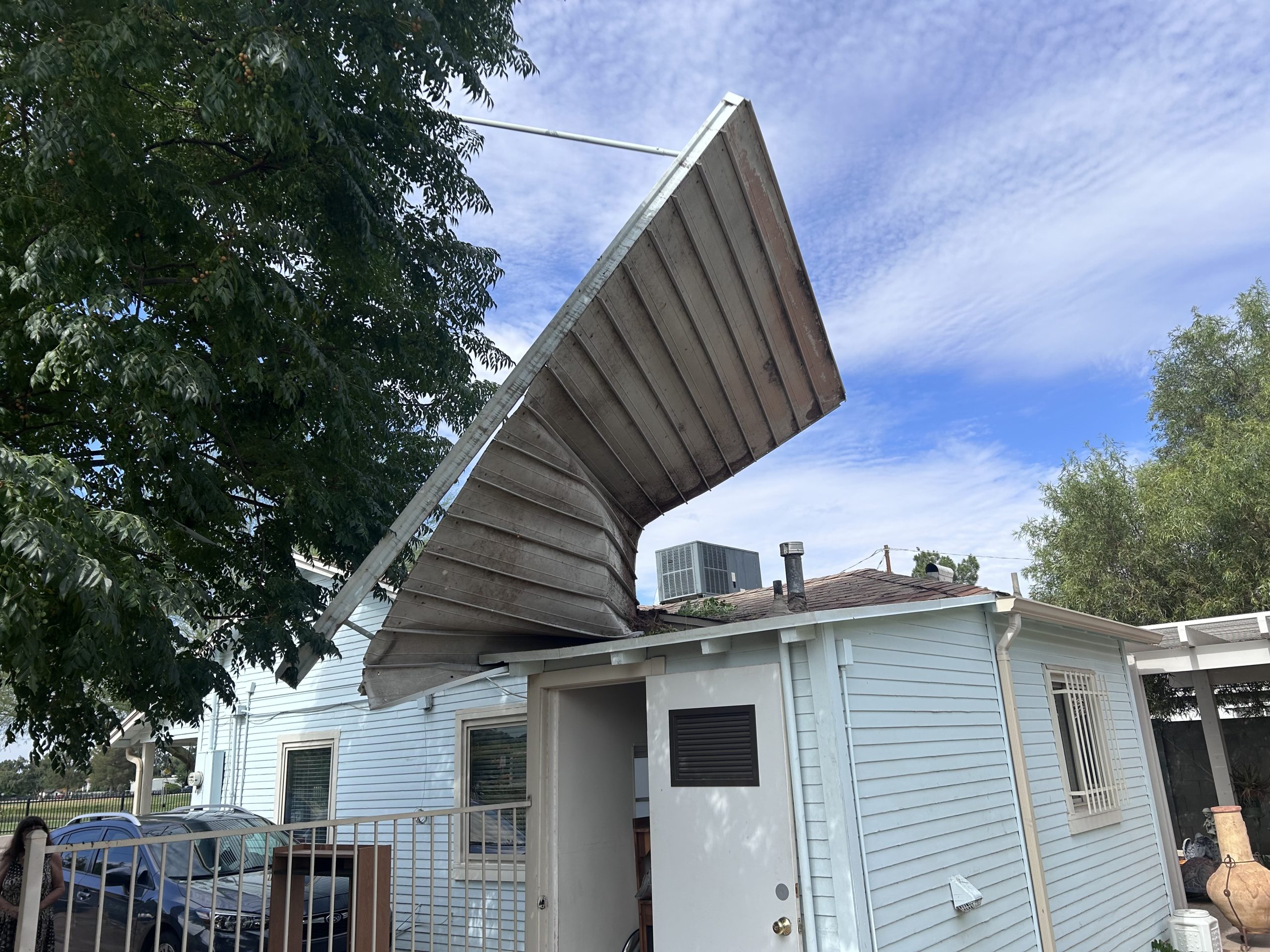
- A patio cover isn’t something to improvise. Proper anchoring and construction matter, and you should work with a qualified contractor when the project requires permits or structural work. Patio covers, in particular, need proper anchoring. “We helped a homeowner with a house built in 1918 who had an aluminum patio cover secured with minimal supports. When strong winds got underneath it, the cover lifted off the ground and was thrown onto the roof,” Willsher said.
- Structural projects – Removing a load-bearing wall requires an engineer. Engineered design is needed for construction that requires a beam, posts, footings, concrete work, rebar, and structural reinforcement. Those projects require plans, permits, and inspections.
- Carport conversions- Converting a carport to a closed garage entails specific fire codes that require permits and inspections. The conversion may involve cutting concrete, installing a stem wall, and constructing a new foundation. These are structural changes, not simply cosmetic improvements.
Knowing when you need a handyman service can save time, money, and headaches. A handyperson can be an excellent choice for repairs, maintenance, and finish work. A qualified contractor- licensed, bonded, and insured- should handle structural modifications, obtain the necessary permits, and ensure the work complies with applicable codes.
Make DIY projects easier.
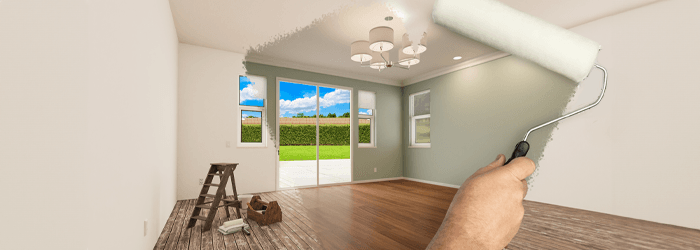
For those who like tackling smaller projects themselves, preparation can make the work much easier. Painting is a perfect example.
If you’ve had a can of paint sitting around for more than a year, Willsher recommends taking a closer look before putting it on the wall. Older paint can thicken and develop a “skin,” so homeowners who insist on using it should strain it into a clean container first.
New paint rollers can also create an unexpected problem: fuzz. Those little fibers can end up stuck in a freshly painted wall.
Insider tip: Use tape to remove loose fibers from the roller before you start, and don’t throw away the cardboard sleeve that comes with a new paintbrush. It maintains the brush’s shape when it isn’t being used.
For larger exterior painting projects, breaking the work into smaller sections can also make the job less overwhelming. Rather than trying to complete an entire house at once, tackle one wall or section at a time.
Home maintenance doesn’t have to mean constantly taking on major projects. Regularly looking around the house, noticing changes and handling small matters early can help keep a home in better shape for years to come.
Whether it’s sealing a foundation, reinforcing a door, trimming a tree, touching up exterior paint, or deciding whether a project needs a contractor, homeowners who understand the basics are better equipped to protect their biggest investment and know when to call in a professional.
###
PODCAST
Owning a home comes with plenty of small maintenance jobs. Knowing what to look for can make the difference between a simple fix and a major repair. Including whether you need a handyperson or a contractor. Fred Willsher, founder of The WILLSH Corporation has seen many of these common problems homeowners deal with. He gives some good advice to spot small stuff before it becomes big problems.
Broadcast archive page with expanded content
PHOTO CREDIT
- The Willsh Corp