In Arizona, air conditioning is more than just another appliance. During summer, it is the one system homeowners rely on daily—often without much thought. But once something goes wrong, the importance of the unit is clear. When temperatures hit triple digits for weeks, even minor HVAC issues can become major problems.
That is why homeowners should consider air conditioning maintenance well before the hottest days arrive. According to Todd Russo, owner of Rosie Certified Reeis Air, Plumbing & Electrical Company, waiting until the middle of summer to address concerns can put unnecessary strain on the system, the homeowner, and your budget.
Efficiency starts with the coils
“In the desert, air conditioning maintenance isn’t a luxury; it’s a critical necessity for your home’s survival,” Russo said.
The comparison he often uses is one most homeowners can immediately understand: a car. Few people would drive their vehicle thousands of miles across the desert without first changing the oil, checking the tires, and inspecting the engine. Yet many people expect their AC to run nonstop throughout the hottest months without any inspection or servicing.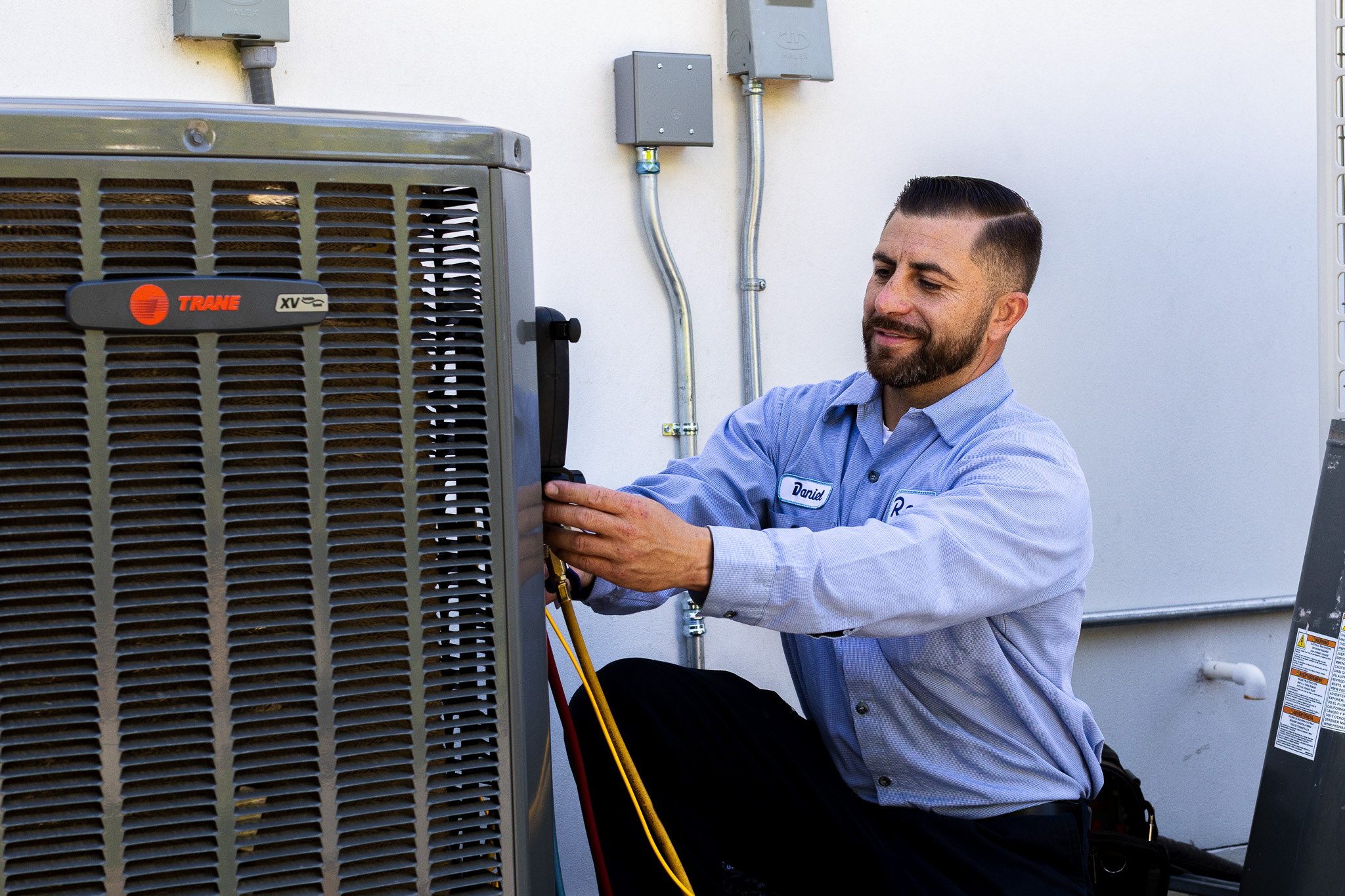
“Just as engine oil breaks down in your car and loses its ability to protect moving parts from friction and heat, your AC’s mechanical components face a relentless physical demand that leads to failure without professional care,” Russo said.
One of the most important aspects of seasonal maintenance involves the coils, which Russo explained play a major role in heat transfer and energy efficiency. Air conditioners work by removing heat from inside the home and transferring it outdoors. When coils are layered with dust, dirt, and debris, the system has a harder time performing at peak efficiency.
Our dry climate creates a particularly difficult environment because dust accumulates quickly, especially during windy spring conditions and during the buildup to the monsoon season. Dirty coils force the system to work harder to cool the home, increasing energy use. Russo says cleaning both indoor and outdoor coils can improve performance and lower energy consumption.
“When coils are caked with dust and desert debris, your system can’t transfer heat effectively,” he said. “Cleaning them significantly improves energy efficiency, often reducing consumption by as much as 30 percent.”
That efficiency matters more than ever as homeowners continue to face rising utility costs during the summer. An overworked system consumes more electricity and experiences additional wear and tear, which can shorten the lifespan of expensive components.
Precision tuning and testing
Other parts of AC maintenance are the electrical and mechanical connections. Normal operation causes a vibration that can loosen unit components over time. At first, these issues may seem minor, but if you don’t check them or tighten the components, they can cause malfunctions or failures under heavy use.
Professional techs inspect and tighten these components while performing advanced testing to ensure the system operates in accordance with manufacturer specifications. Digital gauges allow technicians to monitor refrigerant levels and electrical amp draws, helping identify inefficiencies or early warning signs before they become major repairs.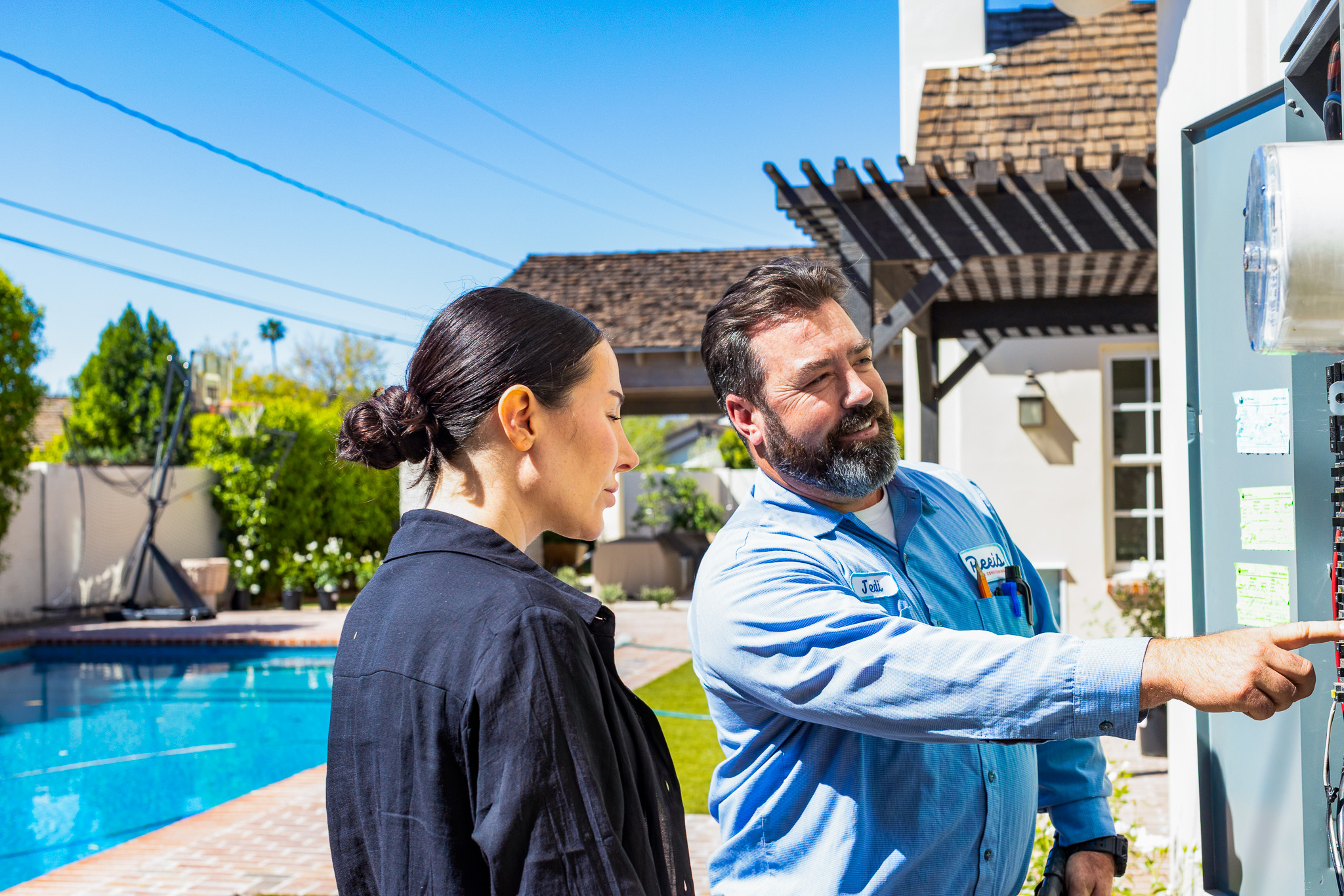
Maintenance appointments are also an opportunity to identify aging parts. Some HVAC components, like the brake pads and tires in our car analogy, are designed to wear down over time.
Capacitors and contactors are two common examples. These relatively inexpensive parts help start and regulate the system. Still, when they fail unexpectedly, they can cause stress on larger, far more expensive components, such as compressors or motors in your car. Catching worn parts early can prevent much larger repair bills later.
Preventing “hidden” house damage
Beyond cooling performance, proper maintenance can also help homeowners avoid hidden water damage inside the home. Most people associate air conditioners with cooling, but they also remove moisture from indoor air through the condensate drainage system.
If the drain line gets clogged or blocked, water can back up into walls, ceilings, floors, or the attic. In some cases, homeowners notice water damage or mold only once it appears.
“A major part of maintenance is condensate line cleaning,” Russo said. “If your system isn’t draining properly, water can back up into your home, leading to thousands of dollars in drywall and flooring damage.”
Arizona’s humid monsoon season creates conditions conducive to drainage problems, which can escalate quickly if left unchecked.
Humidity control is another area homeowners might not notice. If cold air is blowing from the vents, the system is working properly, right? Comfort inside a home involves more than just the temperature.
Russo said that a properly functioning system should remove excess humidity while maintaining balanced airflow throughout the house.
“If airflow is not properly calibrated, cooled air may not circulate efficiently across the evaporator coils, limiting the system’s overall capacity and leaving some rooms feeling warmer or more humid than others,” he said.
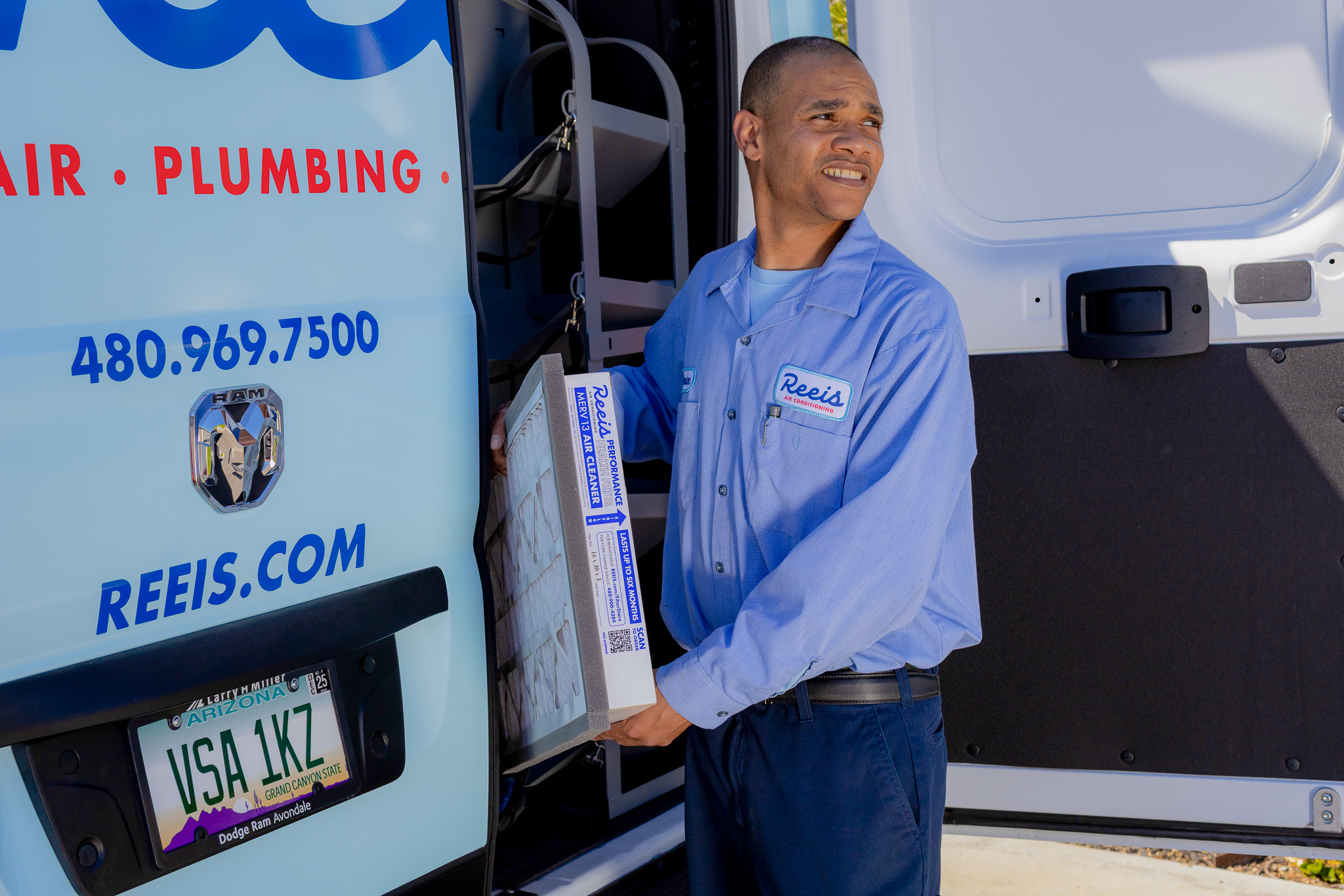
This is another issue that becomes evident during the monsoon season, when humidity levels rise, and indoor comfort can change quickly. Russo explained what HVAC professionals sometimes call “coil capacity theory,” which focuses on ensuring the proper amount of airflow passes over the cooling coils so the system can operate at peak efficiency.
Why prevention matters
For homeowners, the message is simple: preventive maintenance is usually less expensive, less stressful, and less disruptive than emergency repairs in June, July, or August in Arizona.
A system that is clean, tested, and inspected before triple-digit temperatures is more likely to operate efficiently, maintain indoor comfort, and avoid unexpected breakdowns when cooling is needed most.
###
CONTENT PARTNER | REEIS
 Reeis carries multiple contractor’s licenses, certifications and affiliations. We have a sincere commitment to training our certified staff in a variety of disciplines such as: heating and air conditioning, insulation techniques, solar heat gain, air flow, pressure balancing and more. We do this because we understand that there is a relationship between every component of the home. Only a technician or analyst who understands each aspect of the home and the relationship can truly deliver cost effective solutions that deliver the desired results.
PODCAST
Todd Russo of REEIS Air Conditioning knows the meaning of true maintenance on air conditioning systems. He explains whats involved with a real maintenance check by a real trained technician. Its the most important action homeowners can do to avoid costly breakdowns. Insights on how an air conditioner works and factors for a comfortable efficient A/C system at home.
Broadcast Archive Page With Expanded Content
PHOTO CREDIT
- Reeis