

Cabinets take up a lot of visual space and play a major role in the kitchen’s overall look and feel. Color, style, and design are important – but there’s a lot more to a good cabinet than what meets the eye.
Understanding how cabinets are made, what materials are used, and which details matter most can help you make smarter decisions when it’s time to remodel. And according to Veronica Lenzi of Re-New Cabinets, A Rosie on the House Certified Partner, knowing what to look for doesn’t require being an expert.
“A well-made cabinet should be just as impressive on the inside as it is on the outside,” she said. “We look for strong construction, quality materials, durable finishes, and hardware made to endure everyday use.”
Materials
Solid wood, plywood, and particleboard are all used in cabinetry, but they aren’t interchangeable, Lenzi said. Solid wood is known for its natural beauty, strength, and familiar charm. It’s commonly used for cabinet doors, face frames, and decorative components. Although it is generally more expensive, solid wood lasts and can often be refinished
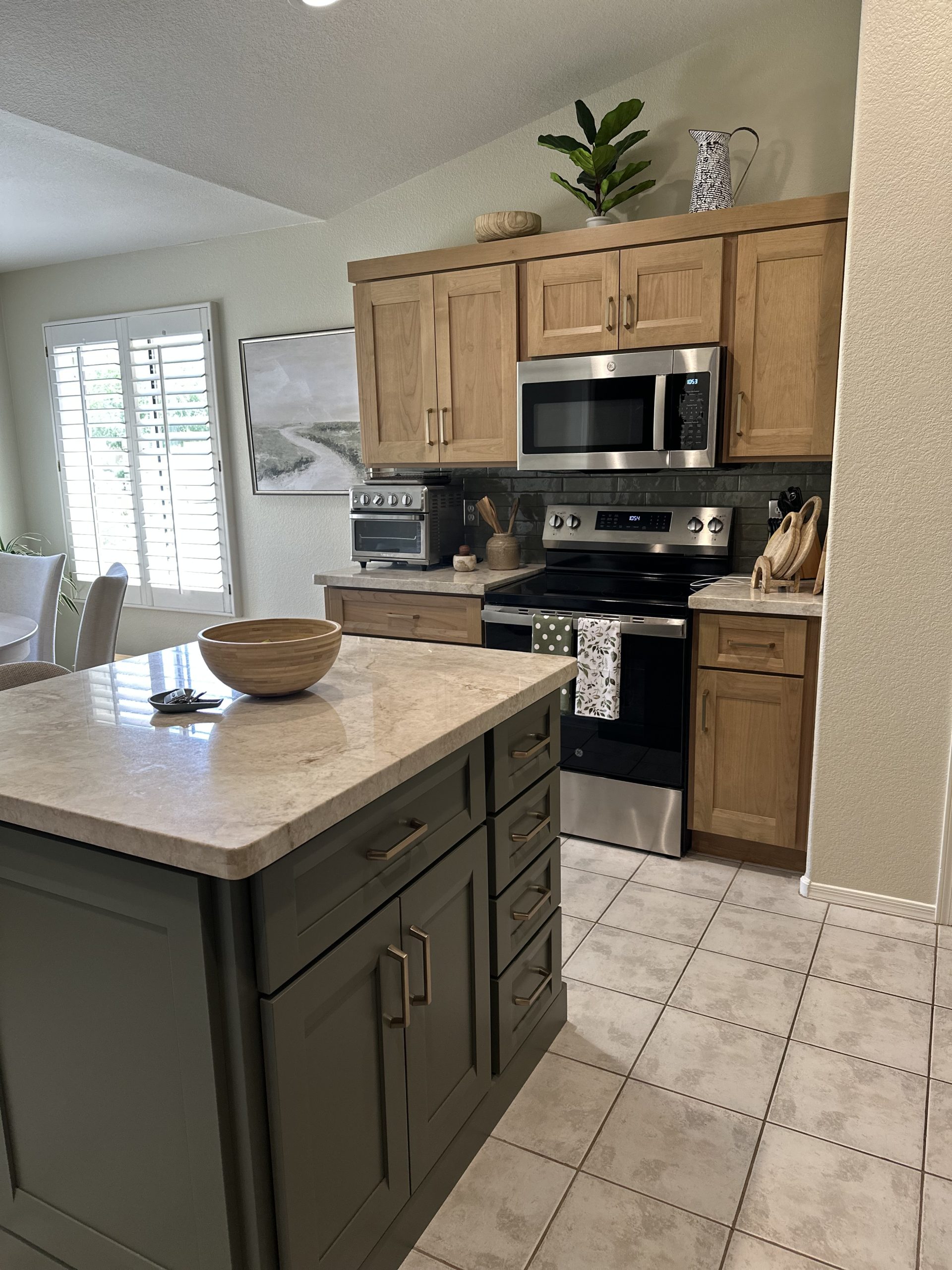
Plywood is another popular choice, particularly for cabinet boxes. Made from multiple layers of wood veneer bonded together, it’s strong, stable, and resists warping. Quality cabinet-grade plywood also holds screws and other fasteners securely.
Particleboard, on the other hand, is a lower-cost engineered material made from compressed wood particles and resin.
While it can help keep costs down, it’s more vulnerable to swelling and deterioration when exposed to moisture. Its ability to hold fasteners can also be more limited, particularly after stress or water damage. At Re-New, Lenzi said the company chooses not to use particleboard.
“We believe the key is using the right material in the right place, rather than assuming that the most expensive material is always the best choice,” she said.
For example, materials such as MDF can perform very well in painted cabinet doors because they provide a smooth, consistent surface. MDF (Medium-Density Fiberboard) is an engineered wood product made from fine wood fibers and resin, compressed together to create a smooth, dense surface. It’s a great option for painted cabinetry because it provides a beautiful, consistent finish without visible wood grain. While MDF is less prone to certain types of movement than solid wood, proper sealing and finishing are important to protect it from moisture.
Assembly
Even the best materials won’t lead to a quality cabinet if they’re not assembled properly. How cabinet boxes are joined, how drawers are constructed, how hardware is attached, and how everything is installed all effect long-term usability.
Homeowners can better understand quality by taking a closer look at the cabinets themselves. Open the doors, pull out the drawers, and examine how the pieces fit together. Cabinets should feel solid, doors should align properly, and drawers should open and close smoothly.
“It’s the craftsmanship behind the product that determines how well the cabinet will perform over time,” Lenzi said.
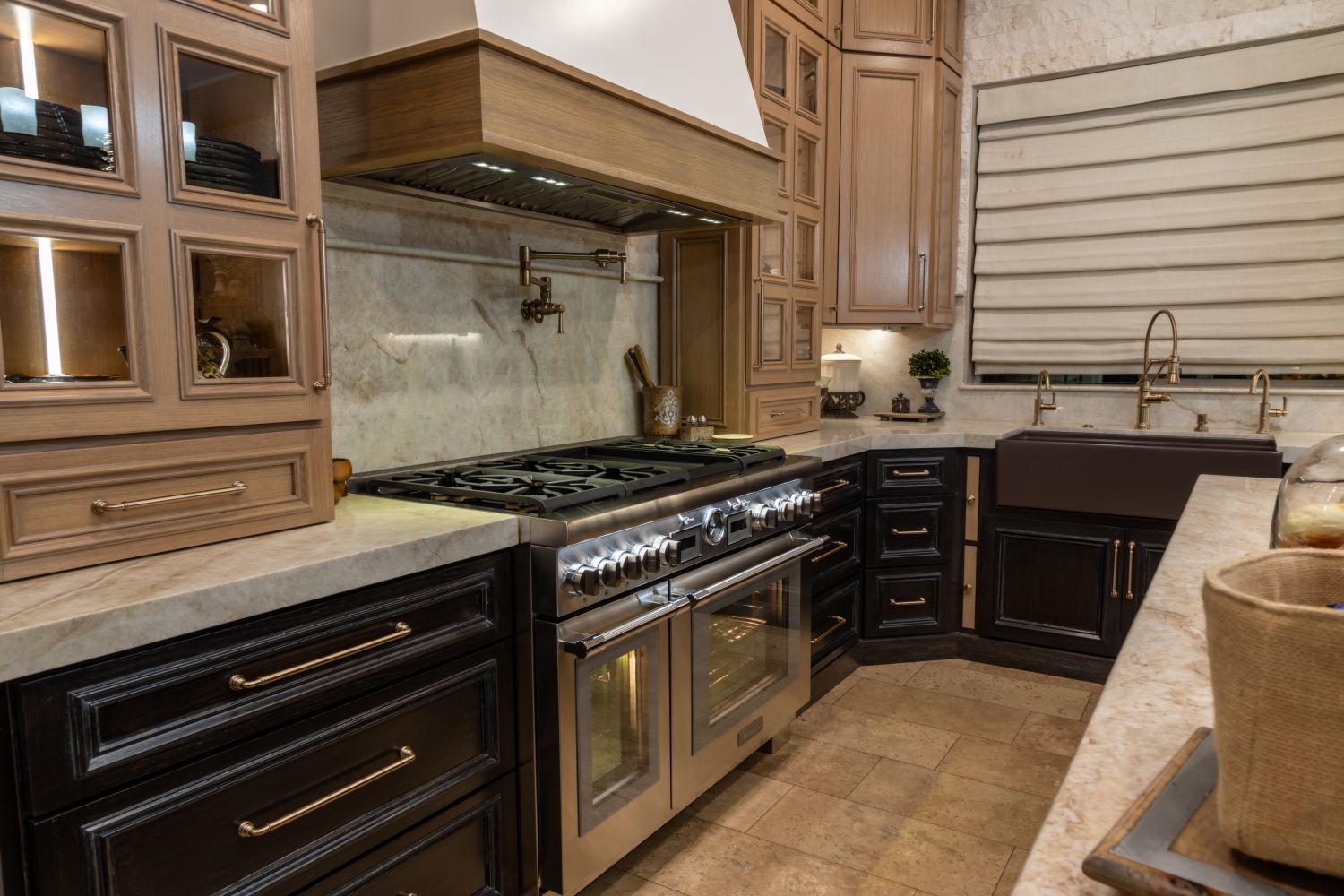
Pay attention to drawer construction. Re-New uses dovetail drawer construction, a method in which interlocking joints connect the sides of a drawer. The design creates a strong connection intended to withstand years of opening and closing.
Hardware also matters. Soft-closing hinges and drawer slides – a popular trend in homes and businesses – allow doors and drawers to operate smoothly and quietly.
Finishes
Kitchen cabinets experience plenty of wear and tear every day. Between cooking, spills, moisture, fingerprints, and regular cleaning, their finishes need to hold up.
“Factory-applied finishes, including quality catalyzed coatings and UV-cured systems, can provide excellent durability when properly applied. Professional cabinet coatings can also offer strong performance,” Lenzi said.
The finish, proper surface preparation, compatible materials, correct application, and adequate curing all play important roles in the final look and durability.
No cabinet finish is completely scratch-proof or waterproof, so families should also be mindful of how they clean and maintain their cabinets. Gentle cleaning methods are generally best – steer clear of harsh chemicals and abrasive scrubbers. For everyday cleaning, we recommend a soft microfiber cloth lightly dampened with warm water. For grease, fingerprints, or tougher spots, a little mild dish soap diluted in water is usually all you need.
Things to watch out for
When you’re ready to find your new cabinetry, look for both quality and potential problems: doors that don’t align, drawers that stick or wobble, rough edges, visible gaps, weak joints, and inconsistent finishes are all concerns.
Thin or poorly supported cabinet backs, loose hardware, and exposed particleboard in moisture-prone areas are also worth looking into before purchasing. Another red flag is a company that can’t clearly explain what its cabinets are made of or how they’re constructed.
Lenzi encourages homeowners to ask questions about materials, assembly methods, and warranties before buying. It’s also important to understand exactly what’s included in a quote, such as installation, hardware, trim, finishing details, and modifications.
“Homeowners should feel educated and comfortable throughout the selection process, never pressured into making a decision,” she said.
A reputable cabinet professional should be willing to explain the options and help homeowners understand what they’re paying for.
Finally, don’t forget your budget
Of course, budget is an important part of any home project. Lenzi recommends prioritizing the features that affect long-term performance, such as sound construction, dependable hardware, and durable finishes.
Homeowners may have more flexibility with door styles, finishes, accessories, and other design choices that affect pricing without affecting durability.
If the cabinet boxes are still structurally sound, cabinet refacing or other updates may offer an alternative to a complete replacement. Refacing can give a kitchen a different look without replacing components that are still in good condition.
Ask questions, compare materials, and understand your options so you can feel more confident about your investment. Learn more at re-newcabinets.com or rosieonthehouse.com.
###
Homeowner Handbook | #MakingsofAGoodCabinet
PODCAST
PHOTO CREDIT