

Winter is coming and by gosh, we want to be ready for it. Arizona is a diverse state geographically, not all of us get to bask in the desert warmth. Our folks in higher elevations need to prepare for freezing temperatures and our desert dwellers can get a little chilly from time to time as well. A well-sealed home also helps to keep dust and critters out!
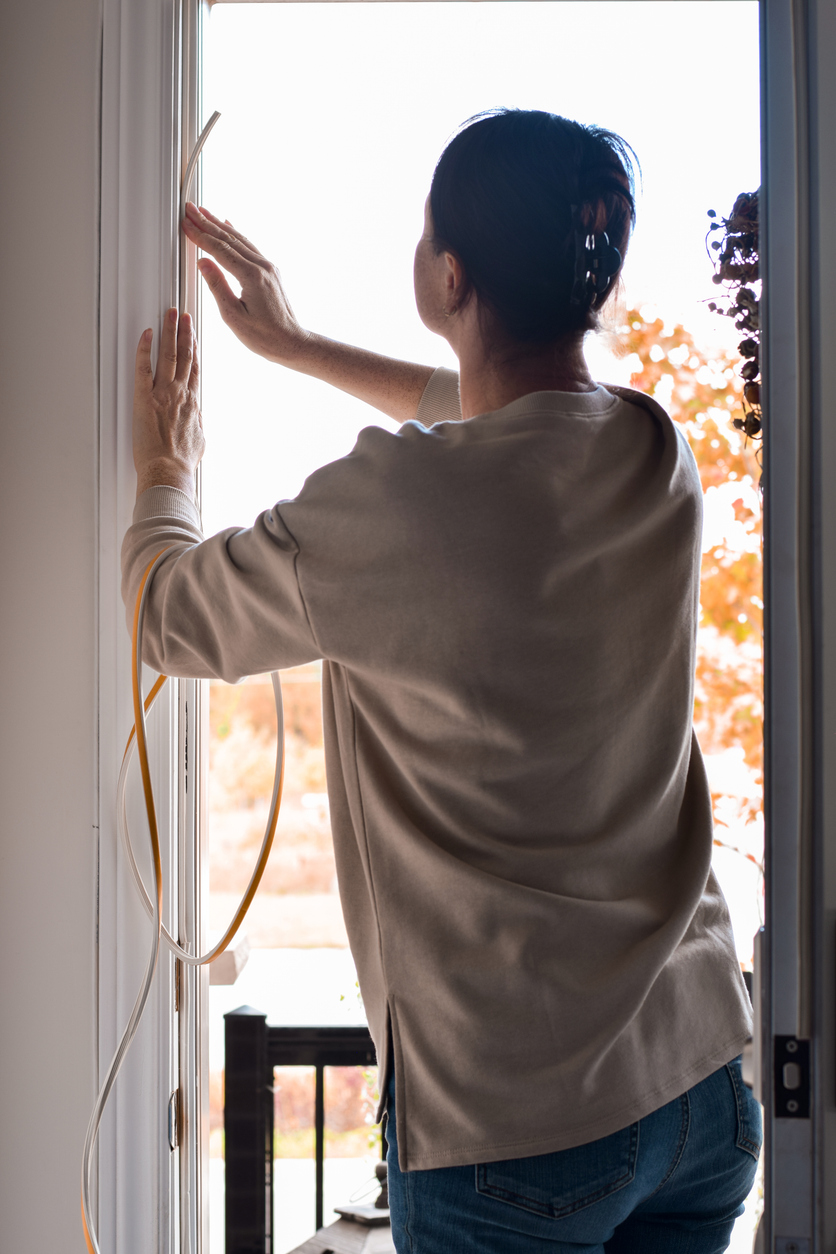
The tips we have for sealing up your home will work across the state so go get another cup of coffee and settle in. We are going to look at the basics to keep the cold out and the heat in.
Weatherstripping
Windows, doors, pass throughs, pet doors, essentially anything that opens and closes between the outside and inside needs to have some surface to seal to that thwarts the passage of your warm air outside, or the cold air to the inside.
Replacing weatherstripping can be a DIY project. Most weatherstripping will be a felt like material or a rubbery material that either is peel and stick or the type that needs to be tacked on.
Weatherstripping needs to be replaced every 2 to 5 years depending on wear. To get started, access the condition of the weatherstripping around your doors, windows, pet door and any other opening. Look for any sign of cracking, peeling or wear in the weatherstripping.
- Doors will have weatherstripping on either side of the jamb, and across the header or top part of the door frame.
- Windows will have the weatherstripping either on the moving frame that holds the glass, (the sash), the window jamb itself, or on the inside of the window jamb. Different types of windows, (such as casements), may include interlocking metal strips that keep air from passing through).
- Pet doors will likely have a magnetic strip on two sides, and across the bottom of the flap. This strip seals the flap to the pet doors metal frame.
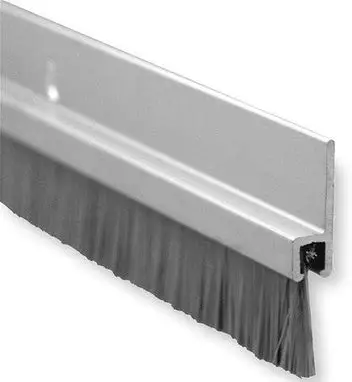
- Don’t forget the door sweep! The door sweep is the piece attached to the bottom of doors that lead to the outside of the home. The gap between the door and the floor can let in a lot of cold air. A sweep is effective in closing that gap. They are very effective in keeping critters looking for a warm place to stay from crawling into your home. To replace a sweep, bring a picture of it to the hardware store to ensure you bring home the right type.
Storm Windows and Doors
Most of our modern windows are dual paned and provide a good barrier to the cold. Older homes with single pane windows may need extra help and if you live in an area that gets cold consistently, you may want an added layer of protection. A storm window is a separate window that is all glass and commonly installs on the window frame on the outside of the house. This creates an additional air barrier to thwart heat transfer.
Storm doors act in a similar manner to prevent heat transfer. The most common storm door is an existing screen door where the screens are removable and replaced by solid glass inserts where the screens were. If your screen door is weather-striped, all the better to create a good seal and protect your home.
Venting
If you have a crawl space under your main floor, you likely have vents in the stem wall that allow for air circulation. This circulation reduces moisture build up which prevents mold and mildew build up. These vents should be below the floors insulation and need to remain active throughout all the seasons.
Take away tips:
- The big tip here is to make sure any plumbing lines in the crawl space are insulated. If you see exposed piping of any kind, wrap it with insulation to avoid freezing.
- Another tip is old school. Keeping a 40-watt incandescent bulb light turned on generates sufficient heat to keep the space from freezing.
Caulking
The small and seemingly insignificant cracks in the caulking that typically surrounds door and window openings can be a significant contributor to heat loss. Some places to check around your home are:
- Window jambs and sills.
- Door jambs.
- Siding joints, inside and outside corners.
- Anywhere dissimilar materials come together such as, siding and stucco, stucco to concrete, or any material that meets stone.
Here are a couple of links to our Rosie on the House DIY database about caulking and sealing, outside your home and picking the right caulk to work with.
While our light bulb idea is homespun, we think there are lots of proven homespun ideas. We would love you to share them with us. Drop a note at info@rosieonthehouse.com.
Look forward to hearing from y’all!
###
Homeowner Handbook | #SealingYourHome
PODCAST
November 16th, 2024
Weekly To Do on sealing your home with weatherstripping, caulking and other ways to keep the winter cold out. Homeowner questions on foam insulation, dryer vent issue, re-roofing bids, heat pump washer dryer combo, single versus dual stage air conditioners and more!