
Memorial weekend usually signifies the unofficial start of summer: porches might be lined with flags, patios are dusted off, grills are uncovered; families and friends are gearing up for festivities at hand.
We should also take a minute to remember the real meaning behind the celebration: a tribute to the men and women who lost their lives while serving in the United States military. Before burgers hit the grill and patio lights glow, let’s chat about a few traditions that shape the final Monday in May.
Find Your Ceremony
The Memorial Day holiday is a tradition that includes parades and ceremonies and hopefully, respectful remembrance.
It is a uniting holiday as people all over the country stop and remember the ultimate sacrifice of men and women in service of our country. It is estimated that in Washington D.C. alone, between 250,000 and 300,000 people join the National Memorial Day on the Mall.
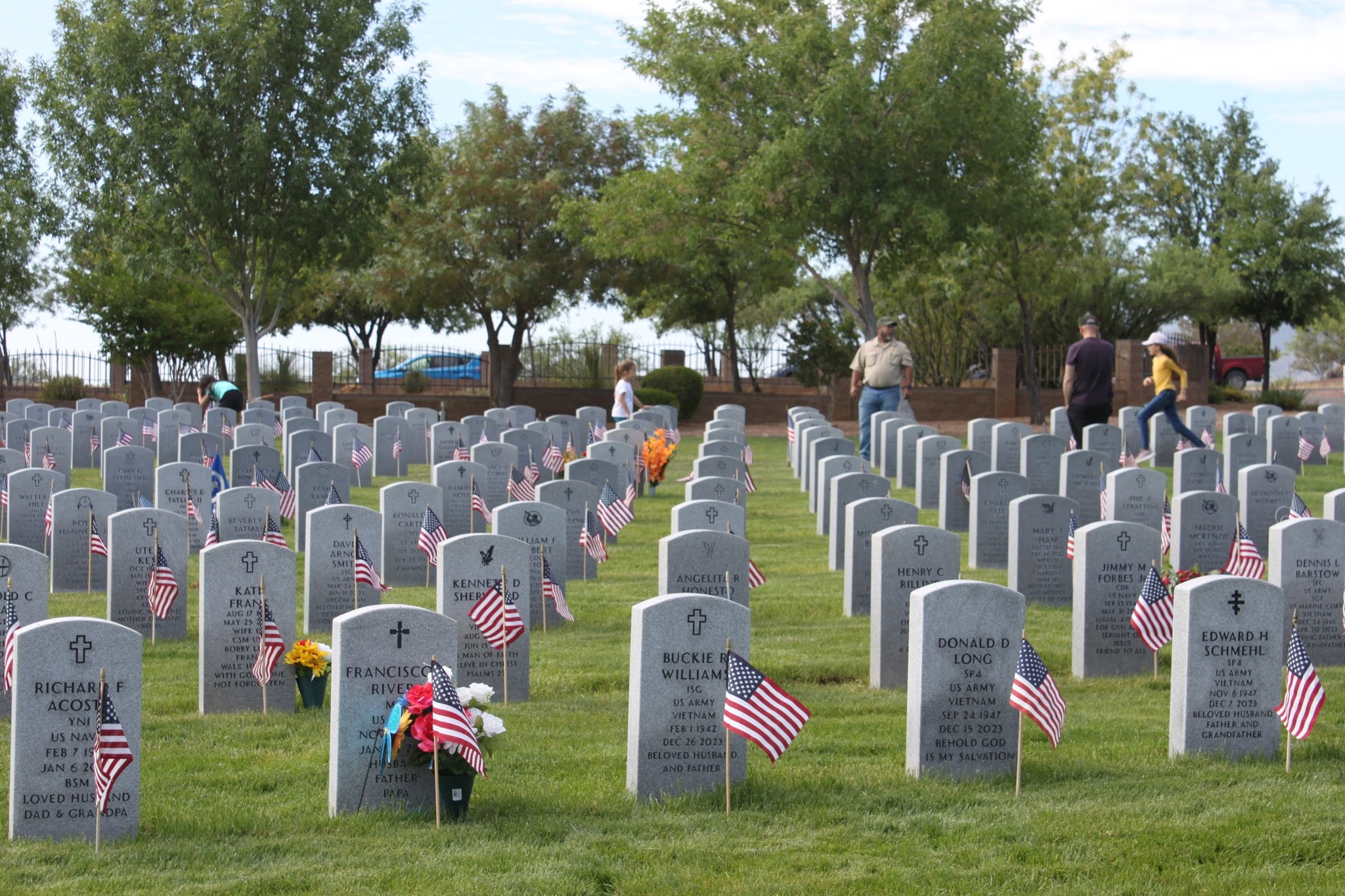
In Arizona many of our cemeteries are decorated for the holiday and hold ceremonies to honor and remember our deceased veterans. There are websites a plenty to help people find places to celebrate the day via parades and events.
Maybe your children or grandchildren are too young to have experienced the sacrifice of soldiers and the loss of life associated with war. Imprints of Honor is a foundation that helps to connect aging veterans with young people. The veterans tell their lifes story to a student and the student then documents the veterans stories . The stories are then bound in a book. A new volume is created each year. This exercise brings history to life and makes Memorial Day a day the students and readers of the stories more fully appreciate.
Amid the flurry of activity that we can create surrounding Memorial Day, let’s start and end the day with a salute to those it is meant to honor; those who have died while serving in the Armed Forces of the United States of America.
Fly Your Flag
The most familiar symbol of the holiday, the American flag, was deemed official in 1777. However, the flag didn’t become part of Memorial Day until almost a century later, on May 30, 1868. Back then, the holiday was called Decoration Day (coined by Major General John A. Logan, who wanted to honor Union soldiers who died in the Civil War).
Civilians, survivors, neighbors, and families would place flags on graves – a tradition that continues. Did you know that Memorial Day flag etiquette differs from that of other patriotic holidays?
On Memorial Day, the flag is raised to the top of the pole at sunrise. Then it is lowered to half-staff until noon. After that, it returns to full staff for the rest of the day. The morning hours represent remembrance for those who died. The afternoon symbolizes our nation’s resolve to continue in their honor. If a flagpole cannot lower the flag to half-staff, etiquette experts recommend attaching a black mourning ribbon near the top of the pole.
There are a few other guidelines worth remembering:
- When hanging the flag vertically, the blue field of stars should always appear in the upper left corner from the observer’s perspective.
- The American flag should never be displayed lower than another flag.
- Flags displayed after sunset should be properly illuminated.
- Torn, faded, or heavily frayed flags should be retired rather than continued in use.
There are several places where residents can retire worn or damaged flags with the dignity and respect they deserve. Arizona Department of Veterans’ Services encourages residents to drop off unserviceable flags at any Arizona Veterans Memorial Cemetery main office.
Sunland Memorial Park also accepts flags for proper disposal. Glendale Chamber of Commerce Military & Veterans Affairs Committee operates a mobile flag incinerator as part of its flag retirement efforts.
The Pinal County Fire and Medical Authority maintains a depository for retired U.S. flags for community drop-offs. Additional flag retirement drop boxes are also found at select veterans’ organizations and libraries throughout the state.
How American’s Supported Their Troops With Victory Gardens
Long before raised garden beds became trendy and homegrown tomatoes took over Instagram feeds, gardening was considered an act of patriotism.
During World War II, Americans were encouraged to plant “Victory Gardens” to support the effort from home. The idea first appeared during World War I under the name “War Gardens,” but by the 1940s, the movement had taken over the nation.
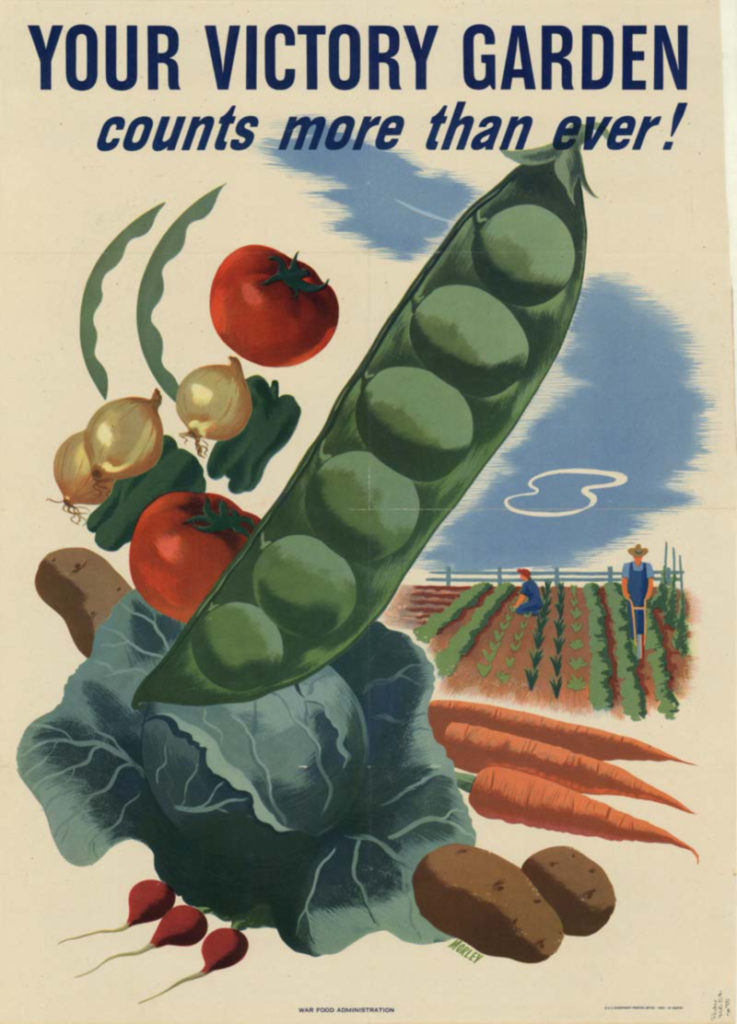
The idea was this: families should grow their own food so that commercial farms could focus on feeding troops overseas. Americans took that assignment seriously. Victory Gardens appeared everywhere: backyards, rooftops, vacant lots, apartment courtyards, schoolyards, church properties, and even in window boxes.
By 1944, about 18.5 million Americans were growing fruits and vegetables at home. These gardens produced nearly 40 percent of the nation’s fresh produce supply. Imagine those numbers today! Tomatoes, carrots, beans, lettuce, corn, onions, beets; even uncommon veggies like Swiss chard and kohlrabi began appearing on dinner tables. Some families raised chickens for eggs and meat. For many, gardening shifted from hobby to necessity almost overnight.
In a time marked by rationing, uncertainty, separation, and sacrifice, gardening created a sense of contribution. Children helped weed rows after school. Neighbors traded seeds and recipes. Communities organized planting groups and taught first-time gardeners how to preserve vegetables through canning.
The government, city and town organizations, and garden clubs distributed pamphlets and held classes for novice growers. Many had never planted anything; families learned how to compost, rotate crops, and deal with pests using whatever supplies they could find.
Victory Gardens were very adaptable. Not everyone had access to a backyard, especially in crowded urban neighborhoods, so cities transformed parks, schoolyards, and vacant lots into shared growing spaces. People who could not physically garden contributed by helping preserve produce, deliver food, or organize flower distributions to hospitals and neighbors in need.
During the war, gardening was significant within Japanese American incarceration camps. Families forced into relocation centers planted vegetables, flowers, and traditional Japanese crops to help increase food supplies. They also used gardens to preserve a sense of identity and normalcy during a painful chapter in American history.
Maintaining productive gardens was not easy. Gardeners dealt with poor soil, weeds, insects, and shortages of tools and supplies. Fertilizers and pesticides were limited. Many people improvised with homemade solutions, recycled containers, and creative planting methods.
Some chemicals commonly used at the time were later found to have severe environmental consequences and were eventually banned. Like many wartime innovations, not every solution aged well. By the end of the war, Americans had grown an estimated 8 to 10 million tons of food through home gardening efforts.
Unfortunately, Victory Gardens then slowly disappeared. Suburban expansion, grocery stores, and processed foods changed how we looked at cooking and food production. A silver lining is that many of today’s community gardens trace their roots directly back to these programs.
Two original Victory Garden sites still exist more than 80 years later: the Richard D. Parker Memorial Victory Gardens in Boston and the Dowling Community Garden in Minneapolis.
Home gardening has seen a major resurgence, thanks to rising food costs and sustainability concerns. There’s also a sense of accomplishment in eating something you grew yourself, right?
While Memorial Day honors military sacrifice, it also shows how ordinary people have supported each other during difficult times.
###
PODCAST
PHOTO CREDIT