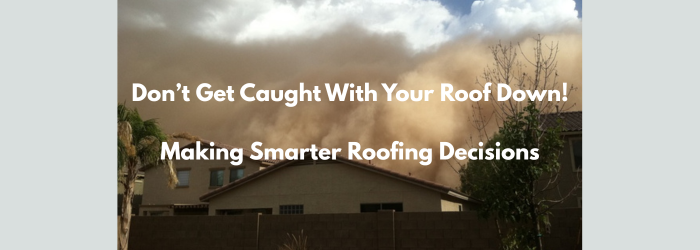
When you live in Arizona, monsoon season isn’t just a dramatic lightning show with residents crossing fingers for some rain to tag along.
When storms do arrive, your roof could be seriously tested by high winds, driving rain, and blowing debris, which can quickly turn small issues into expensive repairs if left unchecked. That’s why Jim McLain, owner of Canyon State Roofing – says a little preparation goes a long way.
The most common issues
Arizona’s intense sun and sudden storms create unique challenges for roofs, especially as they age. According to McLain, different roofing materials tend to show wear in different ways.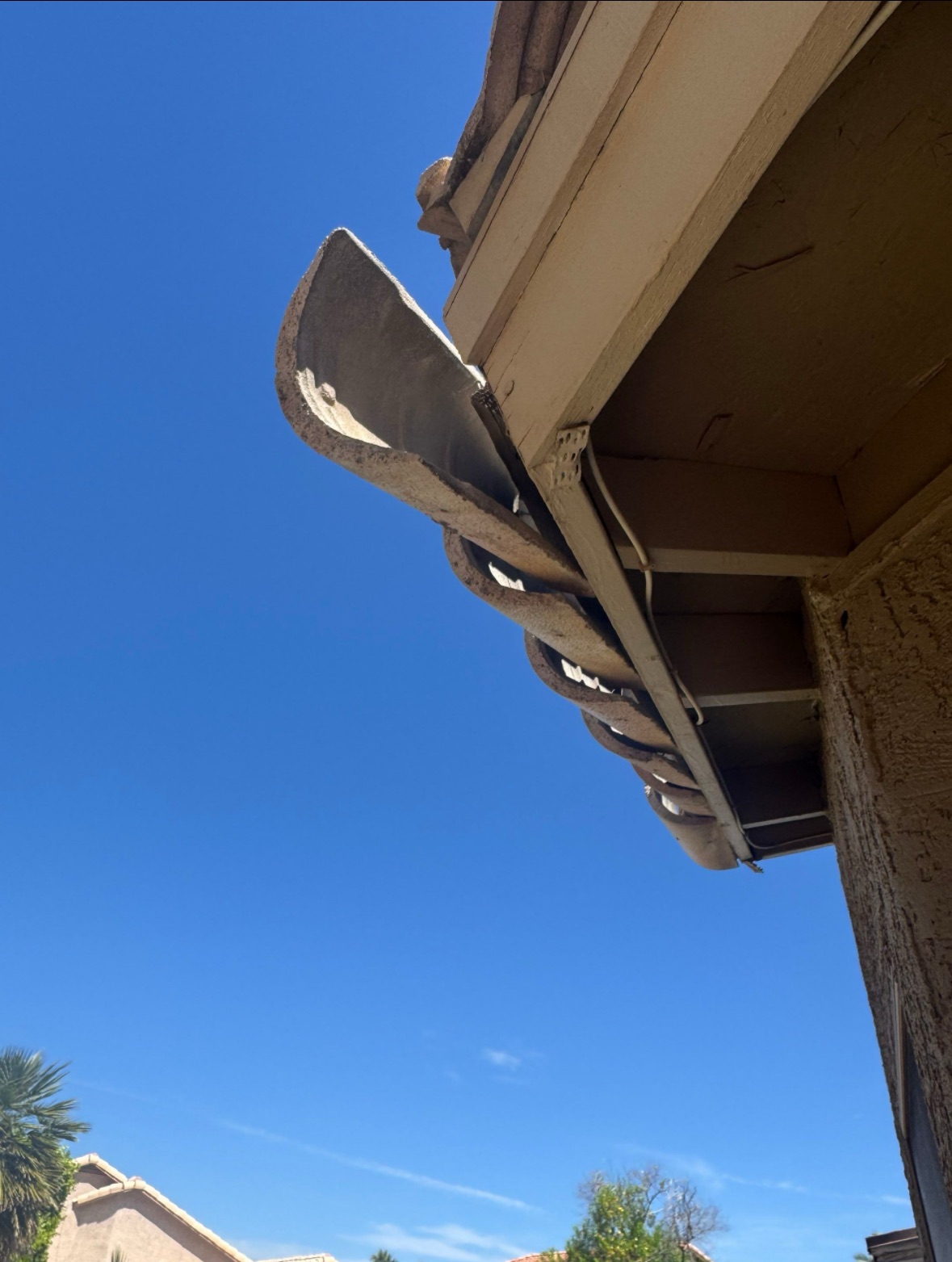
For tile roofs, one of the biggest concerns is movement. A slight shift can expose vulnerable areas underneath. Age is another major factor.
“For roofs older than 15 years, homeowners should check the underlayment for signs of aging and deterioration,” McLain said. Since underlayment acts as the true waterproof barrier beneath tiles, its condition is critical. And shingle roofs? They come with their own set of red flags.
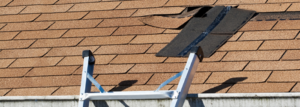
“Missing shingles, excessive granule loss, and roofs older than 20 years” are all signs that maintenance – or replacement – may be on the horizon. The takeaway here is that no matter what type of roof you have, time and weather are constantly working against it. Catching issues early can make all the difference.
Don’t ignore those warning signs
Not sure what shape your roof is in? Your home can give subtle and not-so-subtle clues that something’s wrong. McLain points to a few key indicators homeowners should watch for, including age, missing materials, ceiling stains, and stains or deteriorated wood at the overhangs.
Inside your home, water stains are a major red flag. Even a small discoloration on the ceiling or wall could signal a leak that’s been quietly spreading. Don’t forget to check less obvious places, too, like closets or corners of rooms you don’t use often.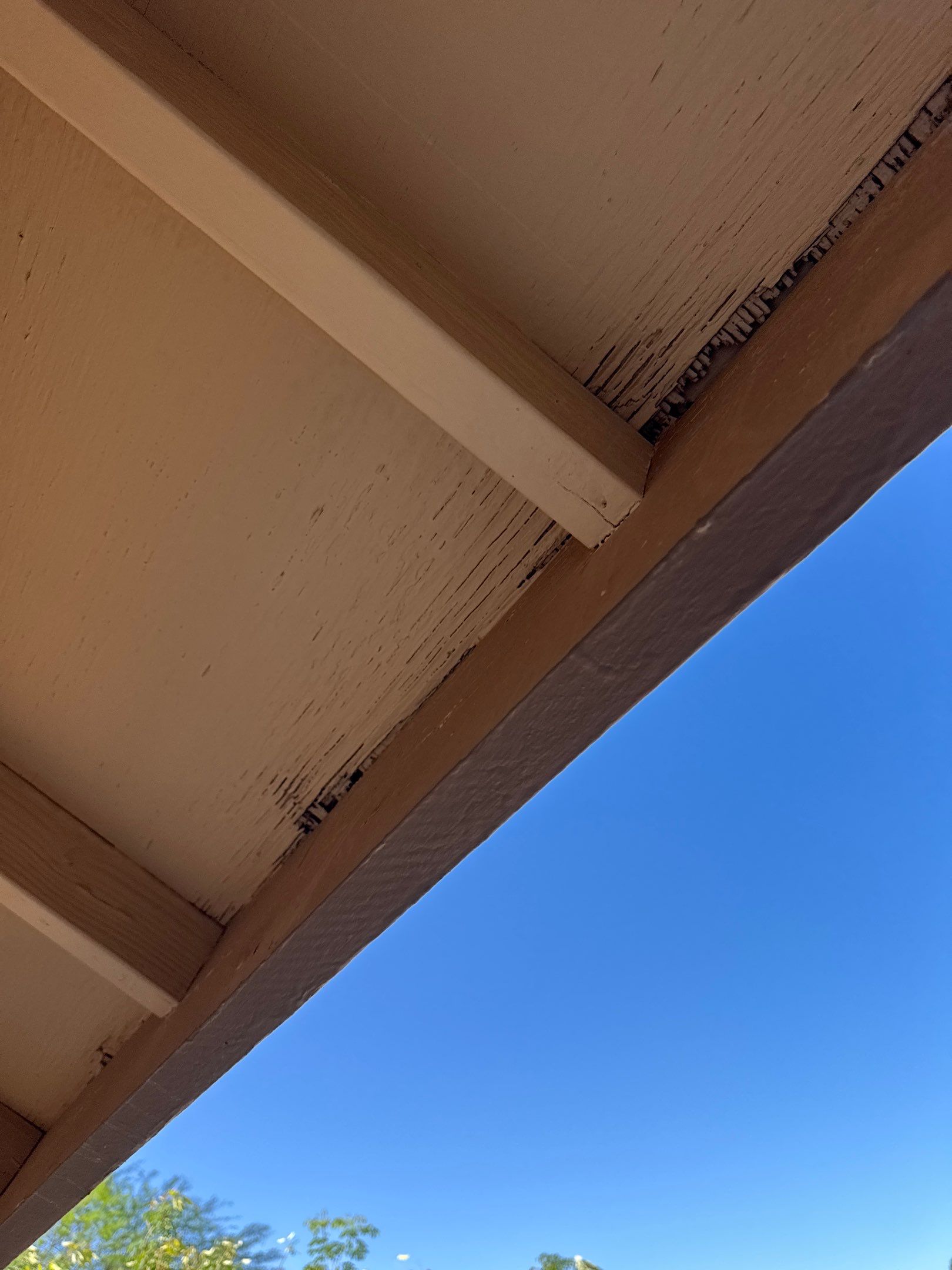
Outside, keep an eye on your roofline and eaves. Warped or damaged wood, loose materials, or anything that looks “off” is worth investigating. It’s easy to ignore these signs when everything seems fine but waiting until a monsoon hits can turn a minor repair into a major headache.
When to schedule a roof inspection
If you’re thinking about getting your roof checked, sooner is always better.
“As soon as possible, if any of the conditions above are noted,” McLain said. “We are generally scheduled two to three weeks out for appointments, so the sooner the better.”
That timing matters. Once monsoon season kicks off, roofing companies get busy fast, and delays could leave your home vulnerable. A proper pre-storm inspection is more thorough than one might realize. For tile roofs, it starts from the ground with a perimeter check, then moves up to the roof itself.
“We will check for slipped, chipped, and broken tiles as well as proper overlap and overall condition of the roof,” McLain said. “Underlayment is the heart of a tile roof, so we will lift the tile in several places around the roof to check for deterioration and curling.” Shingle roofs get a similar check-up.
“We inspect the overall condition of the shingles – are they lose, curling, or missing granules? We also look at all penetrations for signs of wear, proper installation, and potential leak entry points,” he said.
Flat roofs, the most common type on an Arizona home, require a slightly different approach.
McLain and his team will look for potential problems such as low spots, cuts, splits, blisters, and leak entry points at walls and penetrations.
What to do after a monsoon
Once a storm passes, some homeowners want to climb on up and check things out – don’t do it. That’s one of the biggest mistakes homeowners can make, according to Canyon State.
“We never recommend that a homeowner go on to their roof unless they’re trained and fully understand the dangers,” McLain said.
Instead, start your inspection from the ground. Walk around your home and look for anything unusual, such as loose or missing roof materials or materials that may have blown off and landed on the ground. Inside, do another round of checks for water damage – especially ceilings and inside closets. Safety always comes first, and many roofing issues can be identified without ever leaving the ground.
If something doesn’t look right, or your gut is telling you something, it’s time to call a professional.
Watch out for storm chasers
After a big storm, it’s common to see contractors going door-to-door offering free inspections… but McLain recommends not falling for it.
“Some of these folks are legitimate, but in my experience, a lot of them are unprofessional, high-pressure and pushy,” McLain said.
What’s worse, he’s found that some companies aren’t even from Arizona and have no required licensing to be contracting here. Or, they may not have the proper insurance to even be on a roof, and then you become liable.
We always recommend homeowners do their homework and check the AZ ROC, Better Business Bureau, and Rosie on the House referral network before allowing anyone on their roof. Then, get a second opinion. Then, even a third.
If you do need repairs, taking a little time to vet the contractor can save you potential troubles in the future. Doing your homework before anyone sets foot on your roof is important. Even in urgent situations, a reputable contractor should be transparent and easy to verify.
They should be able to provide you with insurance, license information, and a proposal/contract that’s clear and understandable, spells out everything they are doing and has AZROC information along with company information. Call the company’s office and verify the person at your door is representing that company.”
A little prep goes a long way
Monsoon season may be inevitable, but costly roof damage doesn’t have to be. By staying proactive, checking for warning signs, scheduling inspections in advance, and working with reputable professionals, you can protect your home and your wallet.
Think of it this way: your roof is your home’s first line of defense. Giving it a little attention now can make all the difference when those summer storms roll in.
###
CONTENT PARTNER | CANYON STATE ROOFING

With over 20 years in business and a long list of happy customers, this company has earned an incredibly positive reputation among Phoenix Valley homeowners. An affordable roofing company, backed by airtight warranties, great customer service, quality craftsmanship & quality materials.
PODCAST
Jim McLain of Canyon State Roofing puts his 40 years of roofing knowledge to work for you. Its the most critical part of the home that protects everyting inside. Discussing ventilation, assessing roof condtions and more. Plus how to avoid ‘storm chasers’ that can rob you blind thru scare tactics.
Broadcast archive page with expanded content
PHOTO CREDIT
- Canyon State Roofing