 If you live in Arizona, you already know the drill: the skies are calm, the heat is relentless, and then suddenly – boom – monsoon rolls in. Sometimes it’s a bit of rain; sometimes it’s rain and wind; sometimes, we get the whole nine: rain, wind, thunder, and lightning.
At that point, homeowners might be so entranced by the storm that they don’t realize their roof is being put to the test – by the time a problem appears inside, the damage is already begun.
Brandon Niskanen of Pinnacle Roofing, a Rosie on the House Certified Partner, is here to help us better understand what Arizona homeowners should be paying attention to before, during, and after monsoon season.
The problem most homeowners don’t see coming…
Roof issues rarely announce themselves; instead, they stay invisible until they become expensive.
“The most common issue is that people don’t think about their roof, or their roof having an issue, until it’s too late and it starts leaking,” Brandon said.
That delay can turn a minor maintenance fix into interior water damage, drywall repairs, or even structural concerns.
Monsoon
Arizona’s monsoon is unique. The intensity of rain, wind, and dust can overwhelm systems that would otherwise hold up fine in milder climates. One of the biggest issues isn’t always visible damage; it’s debris buildup.
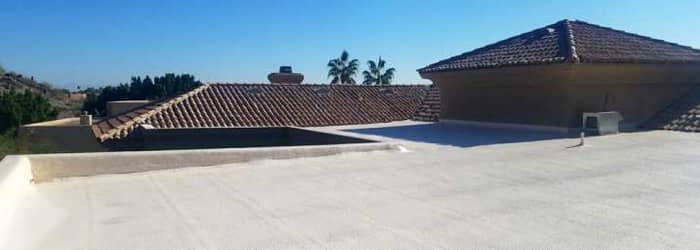
“During the monsoon, it can rain so hard and fast that roofs that have too much debris on them plug up and leak because they have not been cleaned,” Brandon said. “This includes roof valleys and drains.” Flat roofs drain through scuppers (drain holes in the parapet), and can get plugged causing a water back up and consequential damage.
Those valleys and drainage points are designed to quickly move water off your roof. When they’re clogged, that water has nowhere to go, and it’ll start pooling, soaking, and eventually leak inside the home. In other words, it’s not always the storm that causes the problem; it’s what’s already up there when the storm hits.
Inspections are important
If there’s one recurring theme in roofing maintenance, it’s this: prevention is significantly cheaper than repair. Brandon recommends a preemptive approach: call a licensed, reputable roofing contractor to have it inspected.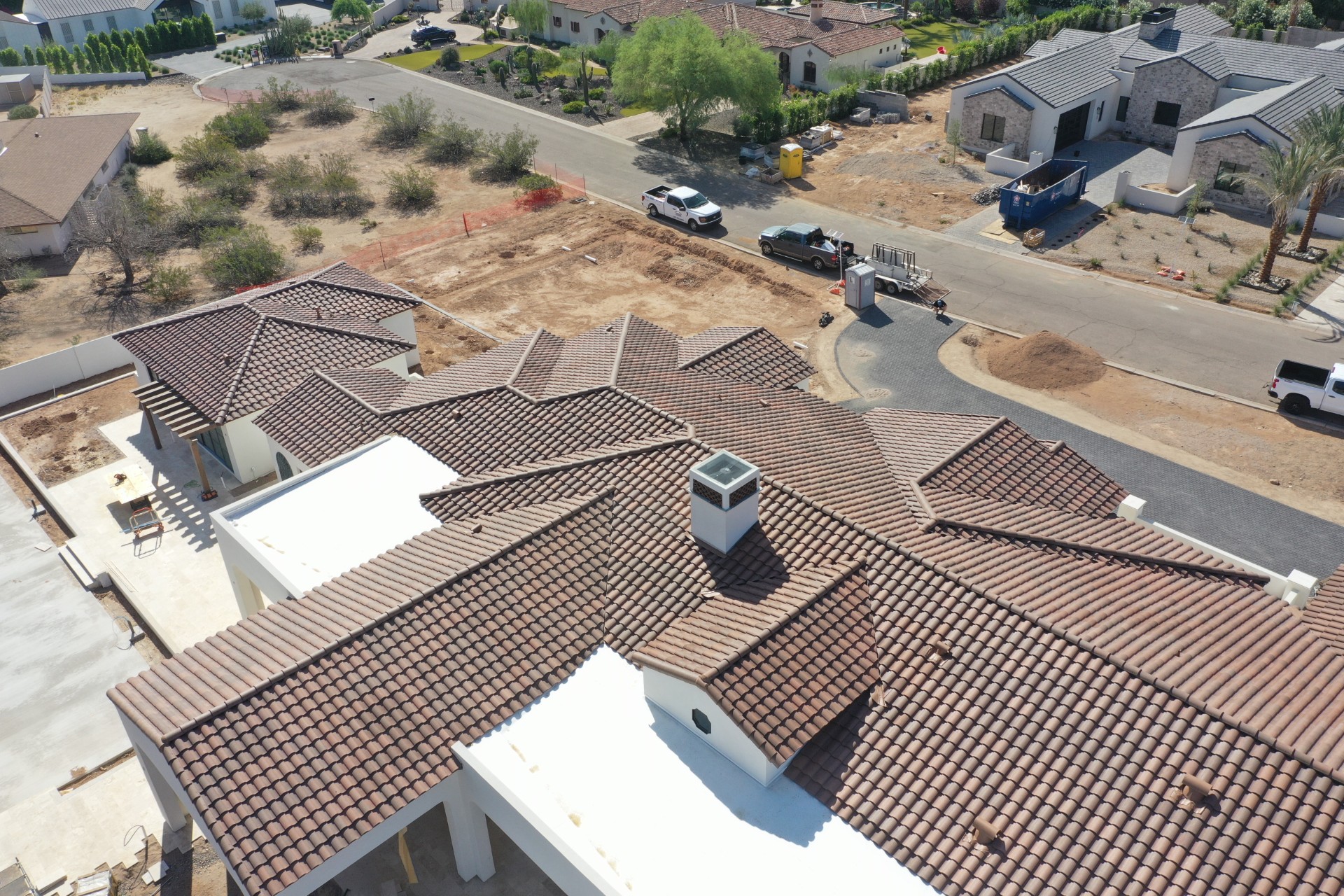
We don’t mean occasionally. Regular checkups matter in Arizona’s climate. Brandon recommends inspecting your roof at least twice a year, or more often if you have many trees nearby. Trees mean debris; debris means problems.
Trees, dust, heat, and storms all cause wear and tear. Even if your roof looks fine from the ground, hidden areas may not function properly.
Roof issues often go unnoticed until interior damage appears, making them especially frustrating for homeowners.
According to Brandon, the most obvious sign after a rainstorm is seeing stains on your drywall, particularly on the ceiling.
By the time you see staining, water has moved through the roofing materials, underlayment, and insulation. That’s why professionals stress inspections before storm damage becomes visible inside. A small stain is often just the start of a bigger problem above.
Maintenance mistakes
The mindset that nothing needs attention if it looks fine often leads to expensive repairs. Brandon said the most common mistake is homeowners skipping recommended maintenance service.
Skipping maintenance may save money in the short run, but it often causes faster damage than homeowners expect. Arizona’s weather can be brutal on roofs year-round. Heat expands materials, monsoon storms strain drainage, and dust adds weight and blockages.
Routine maintenance prevents small issues from turning into major failures.
The most overlooked defense system
Gutters don’t always get the attention they deserve, especially if you live in the Valley, where rainfall can be minimal. But during monsoon storms, they play a critical role in protecting your home’s foundation and structure.
“Gutters can be important when there is heavy rainfall next to the footings of the house, especially if they have any erosion problems,” Brandon said.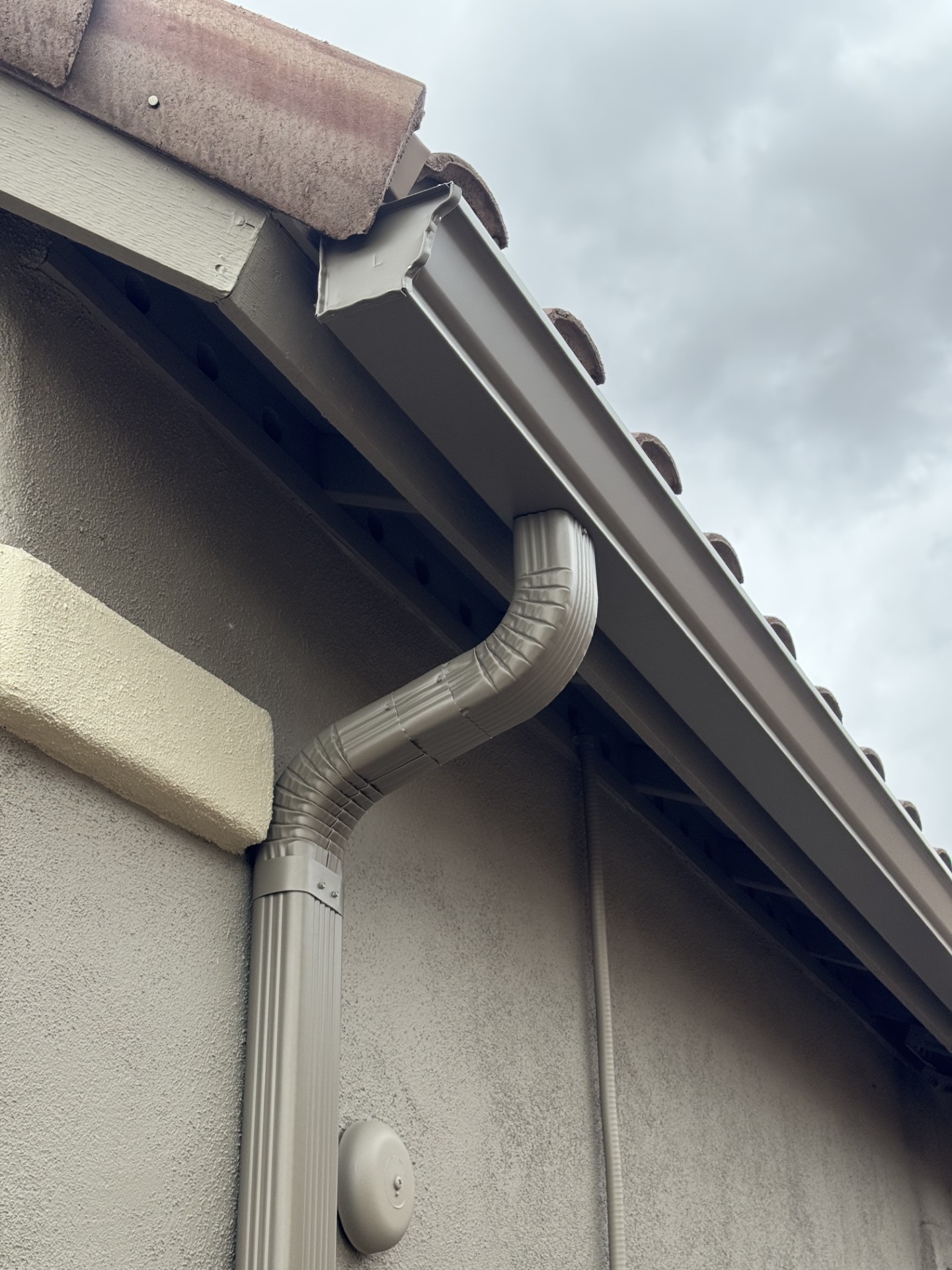
When gutters fail or are absent, water collects around the base of the home, which can lead to soil erosion, foundation stress, and long-term structural issues.
The problem isn’t just a lack of gutters. It’s keeping existing ones clear. Leaves, dust, and storm debris can quickly clog gutters during monsoon season, turning protection into overflow and water damage.
That’s why material and installation quality matter. Pinnacle Roofing offers solutions designed for durability: “We offer six-inch K-style gutters – that typically handle 5,500-6,000 square feet of roof area per downspout – with many different colors.”
Six-inch K-style gutters have a unique profile, suit most homes, and are made from aluminum, steel, or copper. Their design allows effective drainage with a clean appearance – combining function and style.
*Rosie tip – make sure your downspouts direct and expel the water away from the homes foundation.
Roof decks and drainage
Shingles and gutters get attention, but what happens below the surface matters as much.
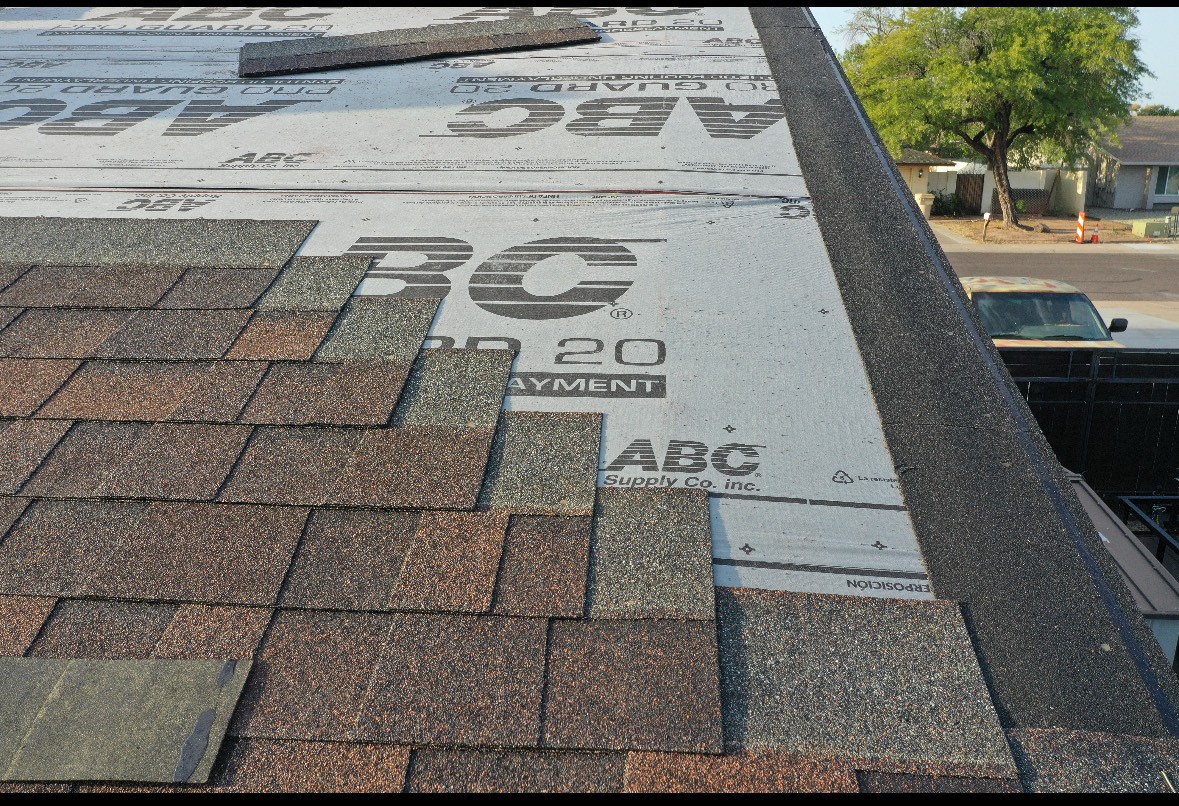
Roof decks rely on proper drainage to function correctly. When drains are blocked, water doesn’t just sit; it starts to find weak points. Over time, that leads to leaks, material breakdown, and interior damage that can be difficult to trace back to the source.
Regular inspections ensure those hidden systems are doing their job before problems become visible inside the home.
Don’t wait for damage
In many parts of the country, roofing issues develop slowly and predictably. Arizona doesn’t follow that pattern. Instead, the combination of heat, sudden storms, and airborne debris creates a cycle where small issues can escalate quickly.
That’s why consistent maintenance, seasonal inspections, and proactive cleaning are so important. Waiting for a visible problem is often waiting too long.
Most roofing issues are preventable if found early. The challenge is staying ahead of them during the monsoon season when conditions change fast. Your roof gives warning signs before failing. Regular inspection and maintenance prevent costly surprises.
For Arizona homeowners, the smartest approach is to schedule inspections, keep drainage systems clear, stay on top of maintenance, and don’t ignore small warning signs, such as ceiling stains or gutter overflow.
###
CONTENT PARTNER | PINNACLE ROOFING

For years, homeowners and businesses across Phoenix have trusted Pinnacle Roofing for top-quality roof installations, repairs, and replacements. We’re a local company built on craftsmanship, integrity, and a genuine commitment to protecting your property from Arizona’s harsh sun and storms.
Pinnacle Roofing was founded to bring a higher standard of service and transparency to the Arizona roofing market. From day one, our mission has been simple: deliver first-class workmanship and clear communication, without the high-pressure sales tactics that too often plague this industry.
PODCAST
Brandon Niskanen of Pinnacle Roofing discusses the reasons why a roof inspection is the best way to spot potential problems before they become big problems. He talks about common issues found beneath the roof’s surface and edges. The evolution of roofing materials and venting. Explains the valley and the importance of keeping it debris free. The advantages of installing gutters. Without a sound roof, you got nothing.
Broadcast Archive Page With Expanded Content
PHOTO CREDIT
- Pinnacle Roofing