


In Arizona, where hard water and high heat test everything from our landscaping to our plumbing, few home systems work harder than your water heater. It’s the quiet comfort provider behind every hot shower and clean dish. In our climate, especially during the holidays when household sizes grow by a few family members, it also faces unique challenges.
To keep your water heater running efficiently year-round, regular maintenance is essential. Joseph and Tracie Skok, owners of Thunderbird Plumbing, a Rosie on the House Certified Partner, share their expert advice on how to extend the life of your system, manage energy use, and know when it’s time for a replacement.
Hard Water: Arizona’s Biggest Water Heater Enemy
-
The Sediment Problem
Arizona’s famously hard water is loaded with minerals like calcium and magnesium. Over time, those minerals settle at the bottom of your water heater, forming a layer of sediment that makes the unit work overtime.
-
Annual Flushing Keeps It Clean
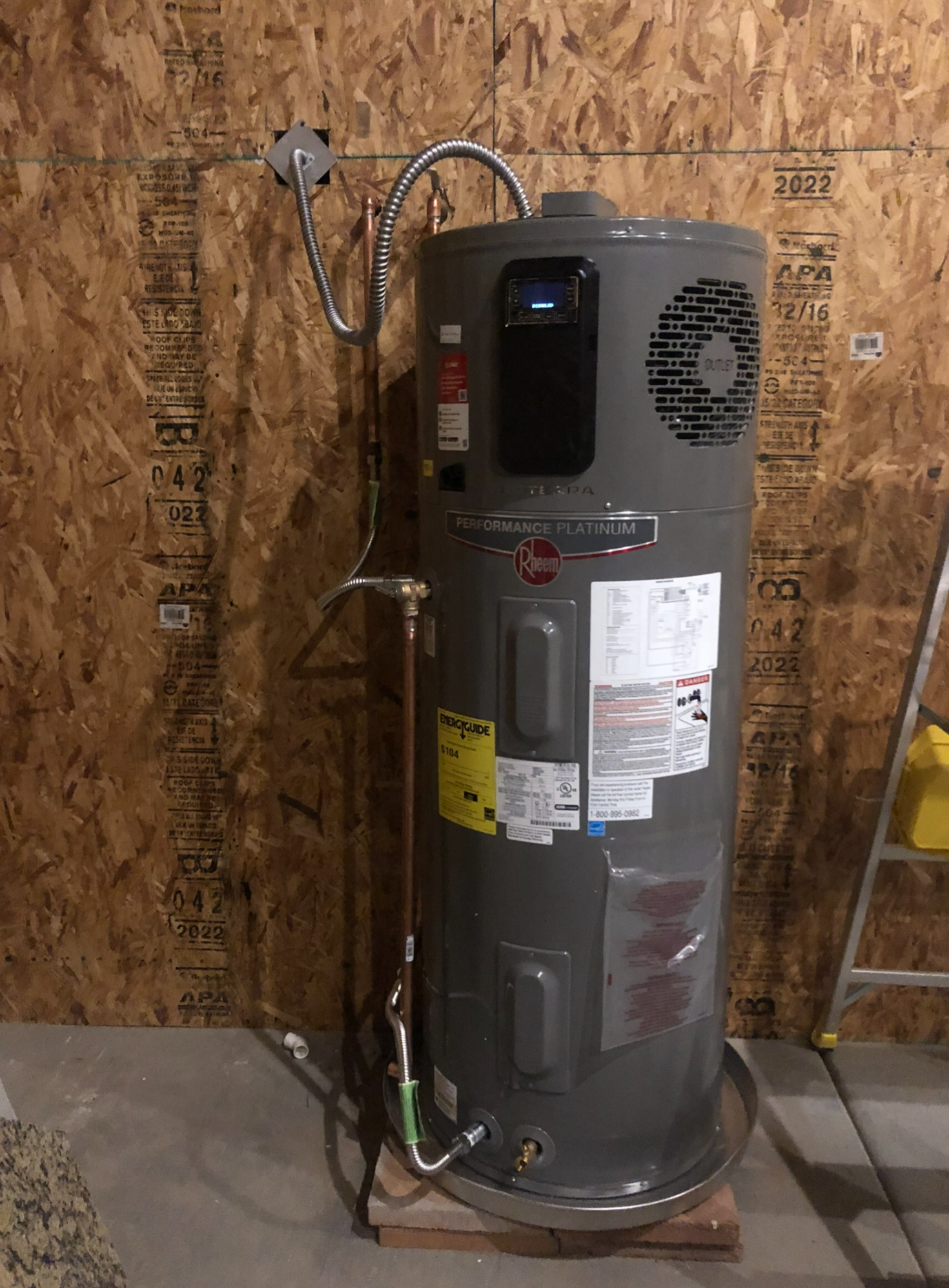
Flush your water heater annually to extend its life!
Thunderbird Plumbing recommends draining and flushing the water heater once a year and inspecting the unit and connected pipes for signs of corrosion, moisture, or rust.
A yearly flush is recommended for most households, though homes with especially hard or heavily scaled water might benefit from doing it every six months. While some homeowners handle flushing themselves, it’s not always a good idea for older units.
“It can be DIY-friendly for many,” Tracie said. “It is best if the unit is not older than three years, past that the size of the scale particles can become too large to escape the small drain opening. The drain can be replaced with a valve that has a larger opening, but is not recommended for units older than eight years.”
Thunderbird Plumbing often replaces the standard drain valve with a larger one to allow better flow, especially for customers dealing with severe scaling.
Small Checks, Big Savings
-
Inspect for Corrosion and Leaks
A quick visual inspection once or twice a year can save you from costly repairs later. Look for rust, corrosion, or moisture around the tank and connecting pipes – these are early warning signs of leaks or age-related wear.
-
Don’t Forget the Anode Rod
One often-overlooked component is the anode rod, a metal rod inside the tank that prevents corrosion.

“We inspect and replace anode rods regularly,” Joseph said. “Magnesium rods are standard, but if you ever notice a sulfur smell when you use hot water, switching to aluminum can help neutralize that odor.”
Replacing the anode rod when it’s worn down can add years to your water heater’s life, particularly in regions like Phoenix, Scottsdale, and Mesa, where hard water accelerates corrosion.
Seasonal Strain on your System
While there’s nothing inherently seasonal about water heater maintenance, the holidays tend to bring an extra layer of demand. With guests in town and hot water use at its peak, Thunderbird Plumbing notes that some homeowners raise their water temperature temporarily to keep up. Pro tip: 120 degrees Fahrenheit is the safest setting – anything higher can raise your utility costs and is a safety hazard.
If you’re expecting a full house this winter, it’s also worth checking your water heater’s capacity ahead of time. A quick maintenance visit before the holidays can prevent cold showers when the guest rooms fill up.
Smarter Hot Water Management
If your home’s hot water takes a while to reach the tap, a recirculating pump can make a huge difference, especially in larger homes or long plumbing layouts common in Arizona’s master-planned communities.
To reduce energy use, Tracie and Joseph suggest placing the unit on a timer or connecting it to a Wi-Fi-controlled smart plug. That way, you can schedule hot water circulation only during peak hours.
Common Warning Signs
No matter how diligent you are about maintenance, water heaters eventually wear out. Most tank-style units last about 8-12 years, while tankless systems can run up to 20 with proper care.
According to the Skoks, the most common signs your water heater may be failing include:
- Water that’s hotter than your thermostat setting
- Reduced hot water capacity or fluctuating temperatures
- Rust, corrosion, or dampness on or around the tank
- In electric units, a lower heating element that no longer works
Replacement Options
If replacement is necessary, there are a few options. Gas models come in both tank storage and tankless versions, though the latter can require a higher upfront investment. Electric units include standard tanks and hybrid heat pump models; these are one of the most energy-efficient options available today.
Hybrid water heaters combine traditional electric heating with a built-in heat pump that uses warm air from the environment to heat your water. That makes them especially efficient in Arizona’s mild winters and warm seasons.
“The savings can be significant,” Joseph said. “A hybrid model can cost as little as one-quarter of what a standard electric water heater costs to operate annually.”
The trade-off? A hybrid unit has a higher upfront price and requires a condensation drain, but for homeowners focused on long-term energy efficiency, it’s often a worthwhile investment.
Maintenance Is Key
Whether you have a tank, tankless, or hybrid system, regular maintenance keeps everything running smoothly.
- Tank units | annual flushing is key.
- Tankless systems | flush and descale every 12 to 18 months and have their filters replaced on the same schedule.
- Gas tankless units | Change their air filters as needed
- All Units | Keep the area around your water heater clear – it needs ventilation and room to perform properly. Keeping the area clear improves both efficiency and safety.
From the hard water challenges of desert living to the extra holiday demand, your water heater deserves attention all year long. A little preventive care now can help you avoid expensive repairs later – and make sure every Arizona shower stays perfectly warm. For more, visit thunderbirdplumbing.com or rosieonthehouse.com.
###
CONTENT PARTNER | THUNDERBIRD PLUMBING

Choose Thunderbird Plumbing. Family owned and operated and their trucks are stocked with thousands of repair items, and your job will be completed in a timely manner.
PODCAST
Thunderbird Plumbing discusses maintenance tips to help your water heater last longer. Some of the newer technology of water heaters. And more maintenance talk about toilets, shut off valves, water pressure, dishwashers and other things plumbing related.
Original Broadcast Archive Page With Expanded Content
PHOTO CREDIT
- Thunderbird Plumbing
















Comments (2)
Dennis Gorelick
November 13, 2025 at 10:00 pmWhat is your take on using the Corro Protect with the 20 yr. warranty, in a Bradford White hot water heater.
If you have a water softner is that a big plus for the hard water issue in phoenix.
Is draing off a gallon of water every month , also a good idea ?
Thank You, Dennis
Rosie on the House
November 18, 2025 at 1:52 pmHi Dennis, 1) I checked with Thunderbird Plumbing and they said they have not had experience with the Corro product, so can not offer an opinion. 2) We do recommend water softeners – they are a great addition to your plumbing system. 3) There is no benefit that we have seen to draining off a gallon every month. Instead we recommend flushing your water heater annually. If you need guidance on this process, please see our YouTube video: https://youtu.be/ZuoyMhbnJz0?si=Rs9E3r2YbYuQAo6O