Tired of sky-high summer electric bills and rooms that never feel “just right”? Goldilocks won’t be able to help you, but the team at FOR Energy – a Rosie on the House Certified Partner – can take care of an energy audit and reveal what’s really happening behind your walls.
Living in Phoenix means air conditioning is essential. When your cooling system isn’t getting the job done, rooms are different temperatures, or your energy bills are alarming during the Arizona summer, the thermostat may not be the issue at all.
Hidden inefficiencies inside the home can drain money every month without families realizing the cause. This is precisely where an energy audit comes in, bridging the gap between problems you experience and solutions you need.
“A professional energy audit is a comprehensive, data-driven health checkup for your home that evaluates how efficiently it uses energy and where it’s losing money,” FOR Energy Owner Sean McGraw said. “Our audit also entails a conversation with the homeowner to identify energy habits, proper energy rate plan alignment, and occupant goals for comfort and savings.”
Think of an energy audit as a comprehensive diagnostic appointment for your house, not just a quick inspection. Rather than relying on guesswork about insulation, ductwork, or air conditioning, the audit provides a data-driven roadmap for improvement.
The breaking point + a whole home audit
Most homeowners don’t wake up one morning ready to schedule an energy audit. Usually, something pushes them there.
“Most homeowners wait to schedule an energy audit until they hit a breaking point with skyrocketing APS or SRP summer electric bills, or when certain rooms in the house feel like an oven while others are freezing,” McGraw said.
These warning signs often indicate deeper issues behind walls, ceilings, or attic spaces. Noticing these symptoms drives people to seek professional help – aiming to stop wasting money, improve comfort, and resolve uneven temperatures. Many think energy audits focus on insulation or AC. But they examine how each part functions within a single system.
“A professional audit leaves no stone unturned, examining the entire envelope of your home from top to bottom,” McGraw said. “Depending on the size of the home, an audit will take on average two to three hours.”
That includes checking insulation, evaluating ductwork, checking for window and door leaks, examining the garage-to-home separation, and assessing mechanical systems such as the HVAC, water heater, and appliances.
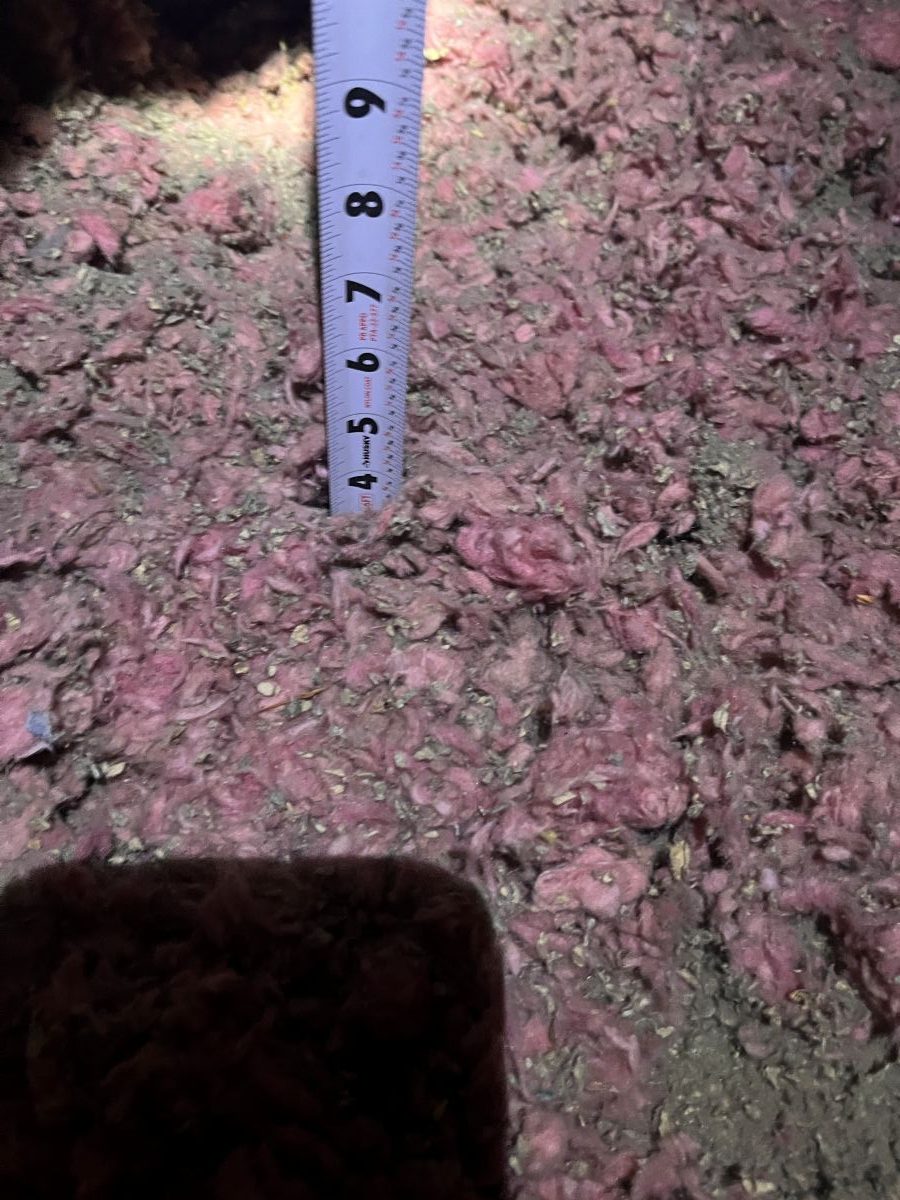
The goal isn’t to find one problem; it’s to understand how these ‘behind-the-scenes’ systems interact and affect efficiency. Hopefully, that one problem requires an easy fix – some of the biggest energy drains in Arizona homes are, unfortunately, invisible.
Those hidden problems
“To uncover those invisible flaws that standard visual inspections miss, auditors pair specialized diagnostic technology with physical testing,” McGraw said. “We can pinpoint exactly where insulation is missing or where cooled air is escaping through hidden structural gaps.”
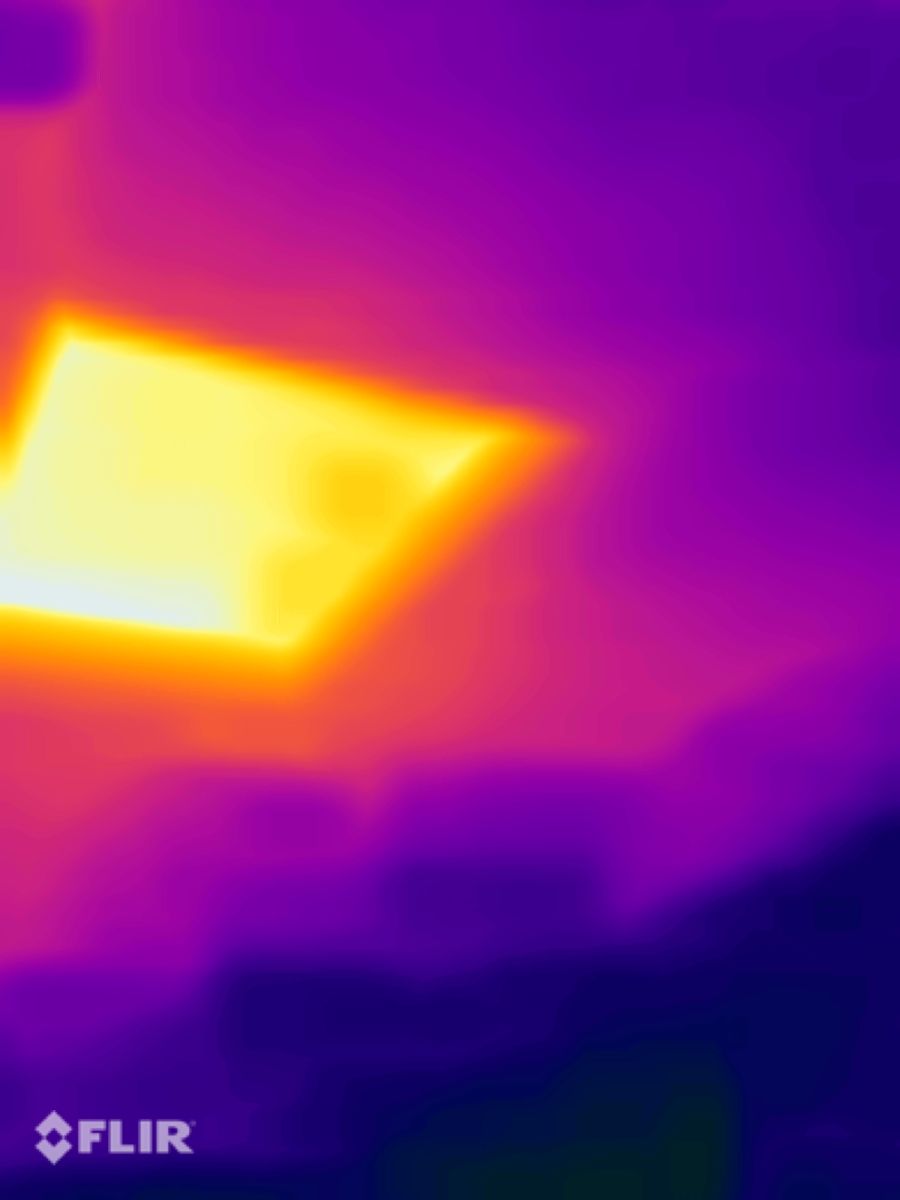
A blower door test depressurizes the home and identifies where outside air enters. Thermal imaging helps technicians find hidden temperature differences. Those hot spots in your home usually have a measurable cause. Phoenix homes face efficiency challenges from triple-digit outdoor and attic temperatures.
“The most frequent culprits are severely degraded or insufficient attic insulation and massive ductwork leaks that dump conditioned air straight into a 150-degree attic.”
Auditors often find thermal bypasses – hidden openings around recessed lights, plumbing, and framing – that allow attic heat to enter living spaces. When it’s 115 degrees outside, these issues become costly fast.
“Many homes suffer from improper pressure imbalances between rooms, which forces the AC to work twice as hard to circulate air.”
Let’s talk about comfort
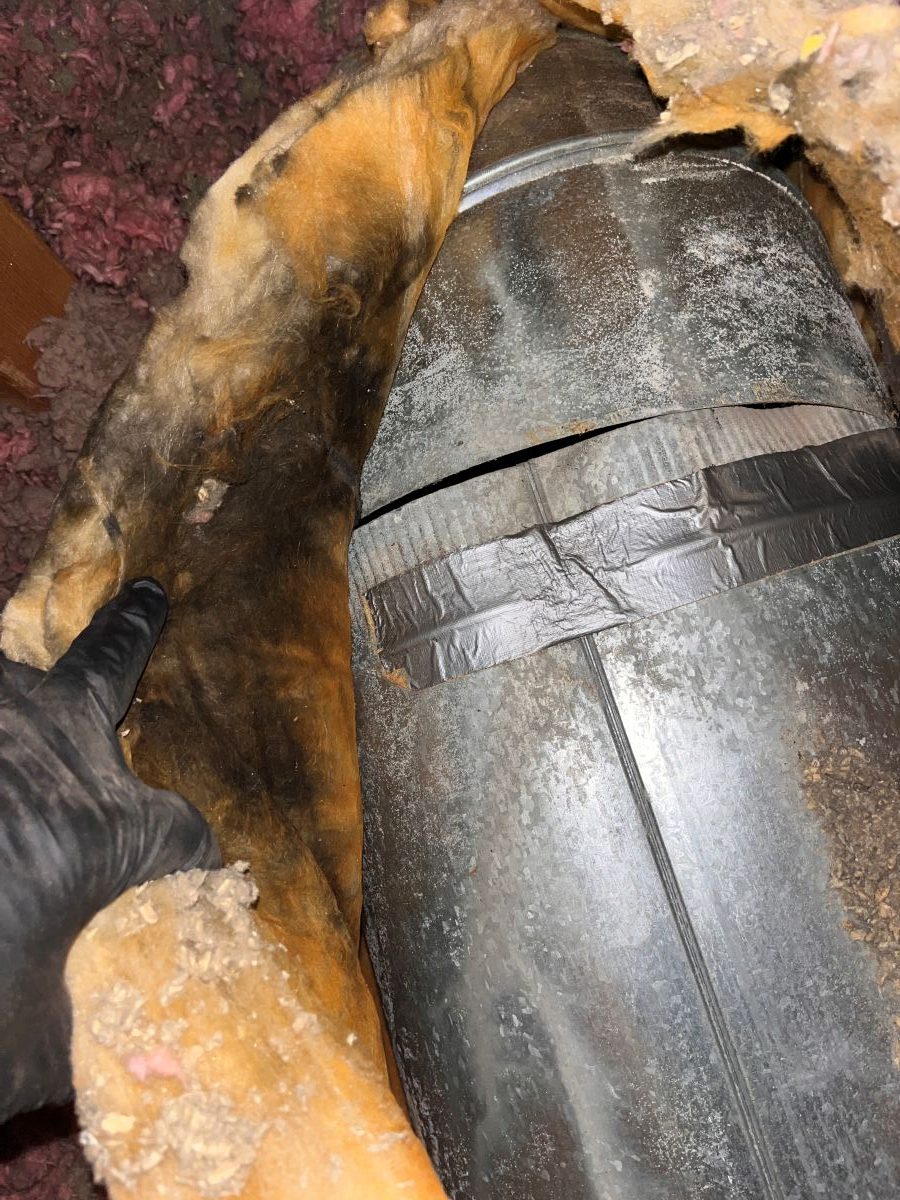
Energy efficiency is often associated with lower utility costs, but there’s also that major benefit most people don’t even notice until it’s fixed: comfort. An energy audit directly addresses indoor air quality and comfort by identifying the paths through which dust, allergens, and extreme heat infiltrate your living space.
Leaks between attics and living spaces can draw unconditioned air into the living space, sometimes bringing insulation particles, pest debris, and outdoor contaminants.
“When an audit reveals leaks between your attic and your home, it’s showing you exactly how unconditioned, dusty air and sometimes pest debris are getting pulled into your breathing zones,” McGraw said.
Addressing these issues improves air quality, reduces drafts, and creates more consistent temperatures. After the audit, homeowners receive prioritized recommendations based on cost, impact, and safety.
“We address safety issues like gas leaks first, followed by low-cost, high-impact fixes such as air sealing and duct repair to prevent energy waste.”
By ranking upgrades sequentially, such as sealing the home before sizing a new HVAC unit, the team makes certain that homeowners don’t waste money on oversized equipment or redundant fixes. For Arizonans, air sealing and attic insulation usually offer the highest return and fastest payback. Fixing leaky ducts is second, as it prevents the attic from cooling and boosts AC efficiency.
“While a new, high-efficiency HVAC unit or solar panels offer massive long-term cost savings, starting with the home’s envelope ensures those larger investments perform at their absolute peak,” McGraw said.
Staying efficient
Making upgrades is only part of the equation. Sustaining efficiency matters too.
“Maintaining your home’s peak efficiency requires a mix of simple preventive habits and routine seasonal maintenance,” McGraw said.
That means changing filters regularly, scheduling annual HVAC tune-ups, monitoring weatherstripping, and using smart thermostats strategically during APS and SRP peak hours.
Remember, small habits add up. Keep window shades drawn and check weatherstripping around exterior doors to lock in energy savings for years to come.
At the end of the day, an energy audit isn’t merely about finding flaws; it’s about understanding how your home performs in one of the warmest climates in the country and making smarter decisions as a result. With summer temperatures here, you’ll appreciate the difference it can make.
###
CONTENT PARTNER | FOR ENERGY
Don’t know where to begin? No worries! FOR Energy is committed to assisting you in discovering the value of enhancing your home’s efficiency. When you reach out to us, you’ll collaborate with a skilled residential home efficiency specialist based in Phoenix, AZ. They will assess your residence and provide you with an individualized roadmap to energy efficiency to align with your energy requirements and reduce your expenses.
PODCAST
Sky-high summer electric bills? Rooms that never feel “just right”? Before you self diagnose and spend a dime, get a home energy audit. Sean McGraw of FOR Energy explains a whole home audit of the entire home’s envelope (insulation, ducts, windows, doors) can pinpoint the trouble spots using diagnostic technology with physical testing. Bridging the gap between real problem spots and solutions you need.
Broadcast Archive Page With Expanded Content
PHOTO CREDIT
- For Energy