
Life moves fast. Between work, family, and daily responsibilities, it’s easy to postpone the projects we know our homes probably need. A dripping faucet becomes something you “get to later,” outdated lighting fades into the background, and that awkward layout you’ve learned to work around slowly becomes the norm.
Over time, homeowners may find themselves living with small inconveniences or deferred repairs simply because there hasn’t been a convenient moment to stop and take a closer look.
“The home is one of the largest investments many will make, and it’s important to take the time to assess its current state to protect your investment,” Christine Cox of BC Renovations – a Rosie on the House Certified Partner – said.
Taking the time to assess your home’s current condition is not just about aesthetics or comfort; it’s about protecting the long-term financial and functional health of the property.
Overcoming “house blindness”
One of the biggest challenges homeowners face is what Cox calls being “house blind.”
“Sometimes we know something needs to be done, but we just don’t know how to go about it,” she said. “We have lived with the ‘status quo’ for so long, we don’t even realize the potential our homes have.”

When you live in a space for many years, you naturally adapt to it. You stop noticing the awkward corners, the dated lighting, or the layout inefficiencies because they have become part of your daily routine. What once stood out as inconvenient gradually fades into the background, making it difficult to recognize opportunities for improvement or even imagine how different the home could feel with thoughtful changes.
A fresh set of eyes (particularly from someone experienced in evaluating residential spaces) can identify possibilities that homeowners may never have considered. Sometimes the solution is simple: removing a non-structural wall to open up a living area, relocating storage to create better flow, or adjusting lighting to completely change how a room feels.
Other times, an expert assessment can help prioritize which projects should be addressed first based on budget, safety, and long-term goals.
“We are involved from start to finish, assisting the homeowner throughout the entire process,” Cox said. “If you don’t want to run all over town trying to figure out what finishes you should use and getting them ordered and delivered so a contractor can install them, only to tell you that you are missing necessary trim and parts, and ‘oh by the way, you didn’t order enough square footage, please go get some more’…hire a design-build remodeling company.”
Updating isn’t about trends – it’s about function.
According to Cox, one of the most common things homeowners say is, “My home needs to be updated,” or “my home just isn’t functional anymore.” These statements often reflect a deeper reality: many houses were designed for a different era, a different family structure, or a different way of living. Over the years, needs change. Kitchens become gathering places, storage demands grow, accessibility becomes more important, and layouts begin to feel inefficient.
Updating a home isn’t always about chasing design trends – it is often about helping the space better support the way people actually live today. Addressing updates thoughtfully can also have a measurable impact on value.
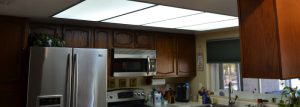
Cox said that removing dated features such as heavy soffits, fluorescent lighting in dropped ceilings, or unnecessary walls can make rooms feel larger, brighter, and more inviting. Even simple upgrades, like installing a new front door, can deliver a strong return on investment while improving everyday enjoyment of the home.
Designing for safety and accessibility
Safety is another area where thoughtful updates matter. Features that once seemed acceptable – such as sunken living rooms, deep step-down showers, or slippery tub designs – can present risks over time, particularly as household needs evolve. Modern design solutions now allow homeowners to incorporate accessibility features in ways that are both attractive and subtle.
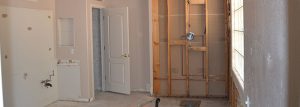
“Decorative grab bars, curbless showers, wider pathways, and improved lighting can increase safety while still maintaining a stylish, cohesive appearance,” Cox said. (fig. 2)
Curb appeal still matters

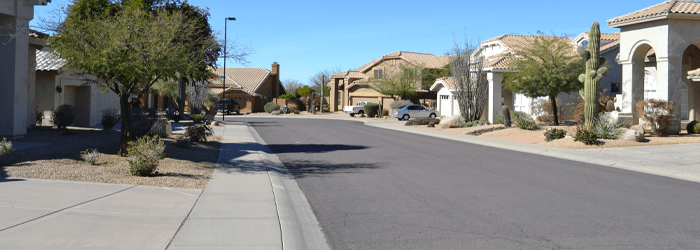
From the street, curb appeal plays a powerful role in how a property is perceived, and small exterior improvements – refreshed entryways, updated lighting, or improved landscaping – create a welcoming first impression that sets the tone for everything inside. A home that looks well cared for on the outside often signals to buyers, guests, and even homeowners themselves that the property has been thoughtfully maintained.
“Indoors, kitchens and primary bathrooms consistently offer some of the highest returns when updated with smart planning,” Cox said.
These spaces are used daily, and improvements that enhance storage, lighting, efficiency, and accessibility provide lifestyle benefits and long-term resale value. The key is not simply replacing materials, but improving how the space works: better cabinet configurations, improved traffic flow, more practical storage solutions, and thoughtful lighting can make a difference without necessarily expanding the footprint.
The cost of waiting: deferred maintenance
Equally important, though often less visible, is the issue of maintenance. Deferred maintenance can quietly erode a home’s value far more quickly than many homeowners realize. Small problems rarely remain small forever.
A minor roof leak, aging plumbing fixture, or neglected exterior component can eventually lead to structural damage, mold issues, or costly repairs that could have been avoided if addressed earlier. It is almost always more economical to resolve an issue while it is still manageable rather than waiting until it becomes urgent.
Better layouts, better living
Functionality also extends to everyday convenience. Many homes simply lack the storage or layout flexibility that modern families need. Closets may be undersized, kitchens may not offer enough workspace, and multipurpose areas – such as home offices – may not have been considered when the home was originally built.
Thoughtful reconfiguration can often unlock unused potential: expanding closet systems, adding built-ins, redesigning bathroom layouts, or creating hidden storage solutions can make a home feel dramatically more livable without necessarily increasing square footage. (Fig. 3)
Planning smart improvements

Equally valuable is having access to realistic options and cost expectations. Many homeowners delay improvements because they assume projects will be far more expensive or disruptive than they actually are. Clear guidance on available solutions, realistic timelines, and anticipated costs allows homeowners to make informed decisions and plan projects in stages if needed.
In many cases, doing a project correctly the first time ultimately costs less than attempting temporary fixes or piecemeal solutions that need to be redone later.
Taking the time to evaluate your home periodically is not about striving for perfection or constant renovation. It is about ensuring that the place where you live continues to support your lifestyle. Homes evolve, just as the people who live in them do.
By stepping back, assessing what is working and what is not, and considering updates where needed, homeowners can extend the life, functionality, and value of their most important investment.
###
CONTENT PARTNER | BC RENOVATIONS

Owner Christine Cox and Superintendent Bradley Jackson personally meet with you to review your scope of work and create the best solution for your ideas and budget, adding value to your project. We want to give each homeowner the attention their project deserves, so we only schedule 3 projects at a time, ensuring timely starts and finishes. Brad and Christine are personally involved in your project from start to finish. Our scheduled on-site weekly meetings keep you informed at all times.
PODCAST
“House Blindness” is really a thing. Its when homeowners stop noticing home issues due to long term familiarity. That’s why regular assessments are important to protect your investment. From improvements to full renovation, BC Renovations has the answers with practical advice from design to the finished product.
Broadcast Archive Page With Expanded Content
PHOTO CREDIT
- BC Renovations