
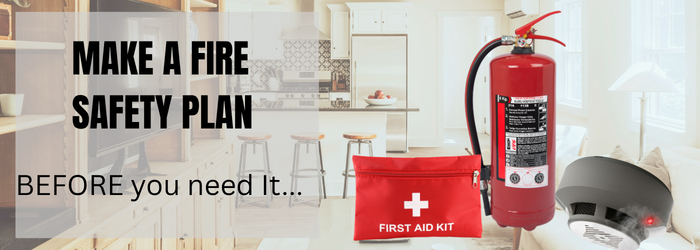
During a house fire is not the time to decide who is grabbing the dog, where everyone should meet, or which way out of the house is safest. Having a simple plan – and practicing it – can help everyone know what to do when every second matters.
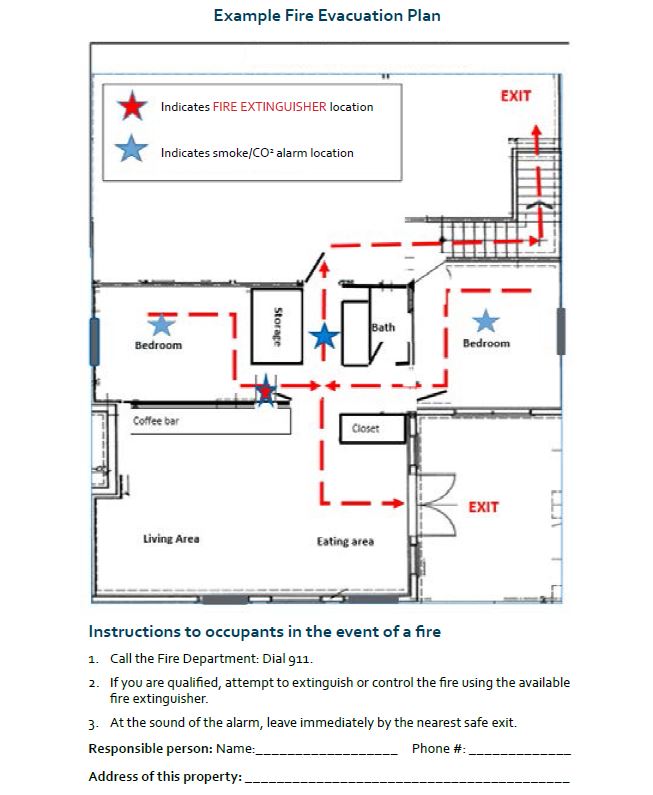
Phoenix Fire Captain Mike Johnson says the most important part of a household fire safety plan is making sure everyone knows the basics before an emergency happens.
“Everybody in the house should know two ways out, where you’re going to meet once you’re outside, and who is responsible for helping kids, older adults, or pets if they need assistance,” he said. “The biggest thing is having that conversation before there’s an emergency.”
Know your way out
Start by walking through the home together and looking at how everyone would get outside. Ideally, identify two ways out of every room. Then choose an outside meeting place, such as a mailbox or a neighbor’s driveway, where everyone can gather once they are safely out.
“Walk through your home together and identify two ways out of every room if possible. Pick a meeting place outside, like a mailbox or a neighbor’s driveway, and practice getting there,” Johnson said. “You want everyone to know what to do without having to figure it out while the smoke alarm is going off.”
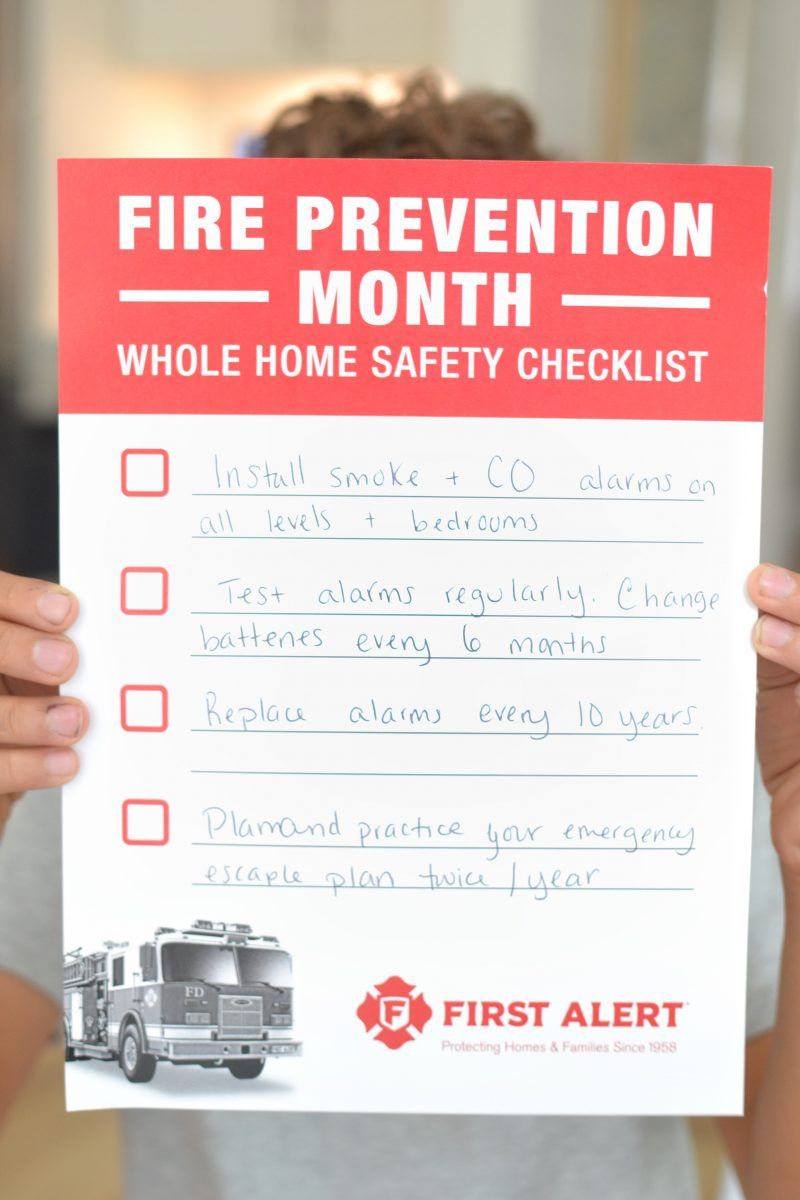
Practicing the plan at least twice a year can help make it second nature. Johnson also recommends practicing anytime something changes in the household, such as moving furniture, welcoming a new family member, or bringing home a new pet.
“The more familiar everyone is with the plan, the less thinking they have to do during an actual emergency,” he says.
Don’t forget the alarms.
Smoke alarms are another essential part of a home fire safety plan.
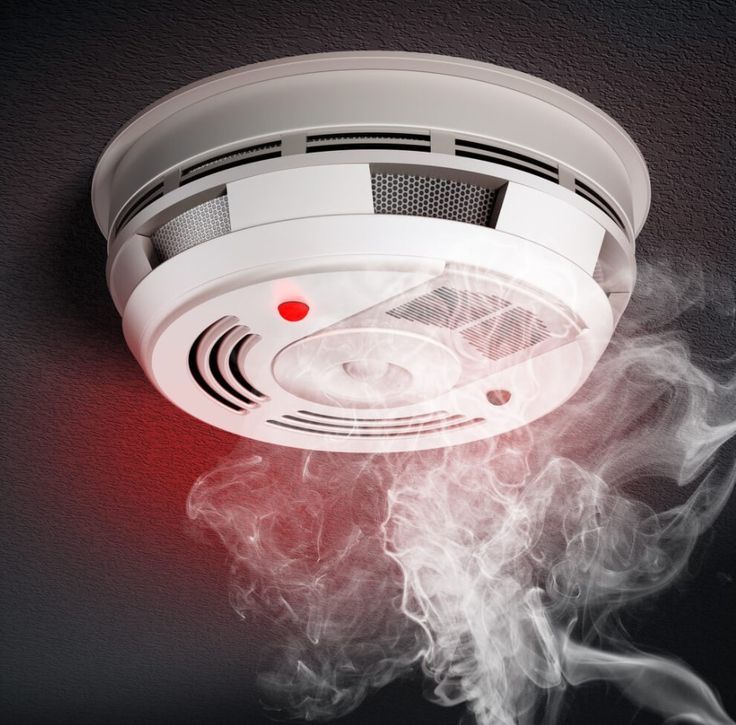
“Smoke alarms are one of the simplest and most important safety devices in your home. They give you early warning, and in a fire, those extra seconds can make a huge difference,” Johnson said.
Install smoke alarms inside every sleeping room, outside sleeping areas, and on every level of the home. Test them monthly, replace batteries as the manufacturer recommends, and replace the entire alarm every 10 years.
Carbon monoxide, an odorless and colorless gas, can build up in a home when fuel-burning appliances or heating systems aren’t working properly. Homeowners should install carbon monoxide alarms outside sleeping areas and on every level of the home and test them regularly according to the manufacturer’s instructions.
If an alarm sounds, don’t assume it’s a false alarm – get everyone outside to fresh air and call 911. Depending on your home and its equipment, other alarms or detection devices may also be worth considering, but the key is making sure every alarm is installed, tested, and maintained.
Everyday habits can prevent fires.
Many residential fires begin with ordinary activities.
“A lot of residential fires start with everyday things: unintended cooking, overloaded electrical outlets or extension cords, candles or other open flames, improperly discarded smoking materials, and combustible items being stored too close to a heat source,” Johnson said. “A lot of prevention comes down to slowing down and paying attention.”
Stay in the kitchen when you’re cooking, don’t overexert electrical systems, keep anything that can burn away from heat sources, and make sure appliances and cords are in good condition.
If a fire starts, get out and stay out.
If a fire occurs, the priority is getting everyone outside safely. Do not try to save belongings.
“If there’s smoke, stay low, where the air may be clearer, close doors behind you if you can, go to your meeting place, call 911 from outside, and never go back into a burning building,” Johnson said.
That last part is especially important. Johnson said that one of the biggest mistakes is wasting valuable time trying to save belongings or going back inside for something. Another is assuming everyone else made it out.
A designated meeting place helps solve that second problem. Once everyone gathers, the family can quickly determine who is safely outside and tell firefighters or dispatchers if someone is missing.
A fire safety plan does not need to be complicated:
- Make sure the smoke alarms are working
- Know two ways out
- Know where everyone will meet
- Practice the plan until it feels familiar.
A few minutes of preparation now can make a frightening situation much easier to navigate.
Additional Resources
Podcast- Rosie talks with the Maricopa County information officer for the Fire Department on all things fire safety including kitchen safety, fire extinguishers and smoke detectors
Article- How to Put out a grease fire- learn the very specific ways to put out a grease fire in the kitchen- this is something everyone should know!
Shop for Smoke and carbon detectors – are your detectors more than 9 years old? Time to replace them!
How to create an escape route for your family by Smartwise. Video lesson on creating an escape route in case of fire.
###
Homeowner Handbook | #FireSafetyPlan
PODCAST
Weekly To Do on a Home Fire Safety Plan and guides to do your due diligence after a contractor declared bankruptcy leaving homeowners empty handed. Plus our Arizona Staycation winner talks about his relaxing trip to Sedona.
Broadcast Archive Page With Expanded Content
PHOTO CREDIT
- Buzzfeed