
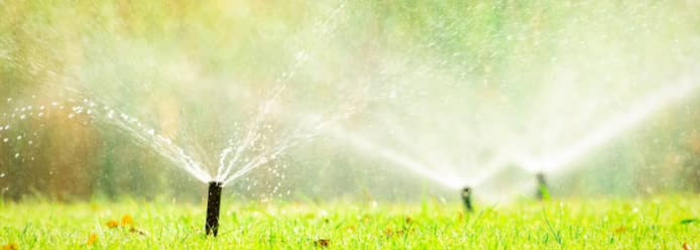
A healthy lawn and landscape depend on more than regular watering – they also rely on a properly functioning sprinkler system. When a system develops problems, the signs can show up quickly – and usually at the worst time, like during Arizona’s hottest months. Dry patches, dying grass, pooling water, and high-water bills are early clues that something isn’t right.
Many sprinkler issues can be identified early and addressed before they turn into costly repairs. Aaron Merkow of Core Landscape is here to explain the warning signs and how routine maintenance can help homeowners protect their landscapes and their wallets.
Watch out for these signs
One of the most common indicators of a sprinkler problem is uneven watering. Aaron explained that if you notice some areas of the lawn are thriving while others are turning brown or developing dry spots, there is a good chance the irrigation system needs attention.
Poor sprinkler performance can take many forms. Sprinkler heads may not pop up properly, spray patterns may be uneven, or water may not be reaching all areas of the landscape. While these issues may seem minor at first, they can quickly lead to stressed plants and damaged turf if left unaddressed.
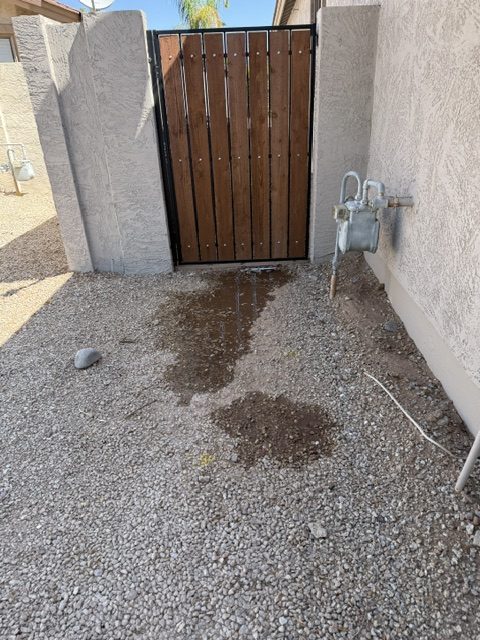
Homeowners should also pay attention to areas that appear overly saturated. Standing Water, muddy spots, or water pooling around sprinkler heads can indicate leaks, broken components, or programming issues.
Over time, sprinkler heads can become clogged, filters can collect debris, and spray patterns can shift. Skipping these steps – flushing, adjusting, and cleaning filters – can turn small issues into big ones as heavy summer watering begins.
Don’t forget to adjust your watering schedule!
Adjusting irrigation schedules as temperatures change throughout the year is a basic task that is often overlooked. While forgetting to reduce watering during cooler months may waste some water, failing to increase watering schedules as temperatures rise can cause significant damage.
Aaron mentioned that smart irrigation controllers can simplify the process by automatically adjusting schedules based on seasonal conditions, helping homeowners maintain their lawn without constant monitoring. Many sprinkler failures aren’t caused by summer heat itself, but by systems that have sat idle too long without a tune-up.
Minor issues can become major ones!
Determining whether a sprinkler issue is minor or serious can be challenging.
Some issues are simple. A broken drip emitter, for example, may only affect a small section of landscaping and can often be repaired quickly. While it should still be fixed, it typically won’t cause immediate system-wide problems.
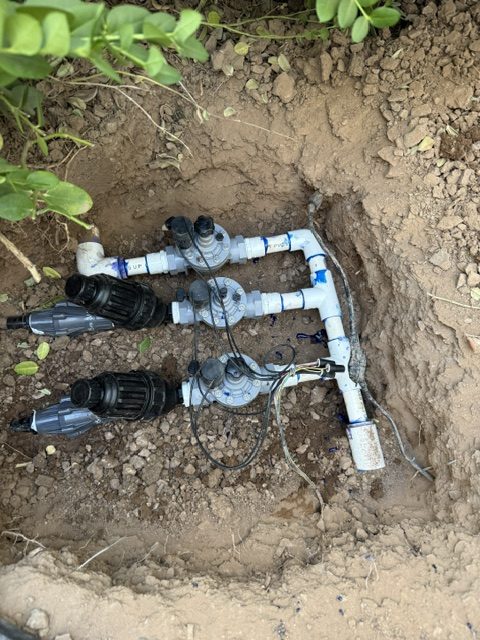
Among the various components that make up an irrigation system, Aaron said valves are often among the most common sources of repair calls. Valves control the flow of water throughout the system, and when they fail, homeowners might see poor performance, zones that won’t turn on or off, or excessive water use. Like many mechanical components, valves benefit from routine service and inspection.
Although sprinkler heads, emitters, and controllers can also develop problems, neglected valves often create some of the most expensive and disruptive irrigation issues.
“Flooding, sounds of water coming from the pipes when nothing should be running, or high-water bills could all link to a major sprinkler issue,” Aaron said.
These situations often require professional diagnosis and repair because they can waste large amounts of water and potentially damage landscaping or surrounding structures.
Keep an Eye on Your System to Catch Issues Early
Even a small leak can have consequences if left untreated. Any break within the irrigation system can increase water usage, raise monthly utility bills, and create additional landscaping problems when water escapes outside its intended watering area.
Too much water can damage plant roots, contribute to decay, encourage disease, and weaken vegetation. Meanwhile, areas that are not receiving adequate water may become stressed or die altogether. What begins as a minor sprinkler issue can eventually lead to expensive landscape replacement costs. Routine visual inspections can help catch problems before they intensify and protect the landscape.
The sprinkler controller should be checked regularly to ensure schedules and run times are appropriate for current weather conditions. Homeowners should also inspect valves for signs of leaks and examine sprinkler heads to verify proper operation and coverage.
For drip irrigation systems, emitters, valves, and timers should all be evaluated periodically. A thorough inspection can reveal issues that could otherwise go unnoticed until visible damage appears in the landscape. While many homeowners enjoy tackling projects themselves, irrigation systems can be surprisingly complex.
“The biggest mistake DIY homeowners can make is connecting parts to other parts that aren’t supposed to connect. Many parts will fit together – but that doesn’t mean they are supposed to go together,” Aaron said.
Improper repairs can create leaks, pressure issues, or additional damage that require more extensive professional repairs later. When in doubt, it’s often worth consulting an irrigation professional before replacing parts or modifying the system.
How often should sprinkler systems be maintained?
A professional inspection every six months is generally recommended.
Generally, systems stop working properly when they have been sitting idle for a period, then start back up without a tune-up,” Aaron said. “Customers turn their systems off for the entire winter, then just turn them back on without flushing heads, adjusting arcs, cleaning filters, and making other necessary adjustments.”
Many irrigation professionals suggest scheduling tune-ups in May and October. Seasonal visits allow technicians to (first off, be outside without sweating buckets), adjust programming, inspect components, identify potential issues, and prepare the system for upcoming triple-digit temps. Regular maintenance often prevents many of the repairs that occur later in the year.
Sprinkler systems are out of sight, out of mind – when they’re working properly. But they play an important role in maintaining a healthy lawn, so watching for early warning signs, adjusting seasonal settings, and scheduling routine maintenance can help families avoid repairs and keep their systems running efficiently year-round.
###
Homeowner Handbook | #DIYTOPIC
PODCAST
PHOTO CREDIT
- Core Landscape