
Whole house energy home audits are the best way to determine how your home is performing in terms of heating and cooling. Rosie Certified Partner Sean McGraw of FOR Energy shares with us the typical findings of an energy audit and offers helpful fixes that remedy energy loss.
Typical Results From An Energy Audit
An energy audit gives a picture of how the home is working as an energy consumer. The analysis looks at how tight the homes openings are sealed, how well the air is distributed, how consistent the air temperature is and how efficient its energy consumption. The analysis will provide the means to offer the best solutions for better energy performance in the home.
Once an energy audit is complete, Sean takes the findings and Energy Star guidelines to create a series of recommendations for the homeowner. The recommendations are designed to help the home use energy more efficiently. Some of the more common findings include:
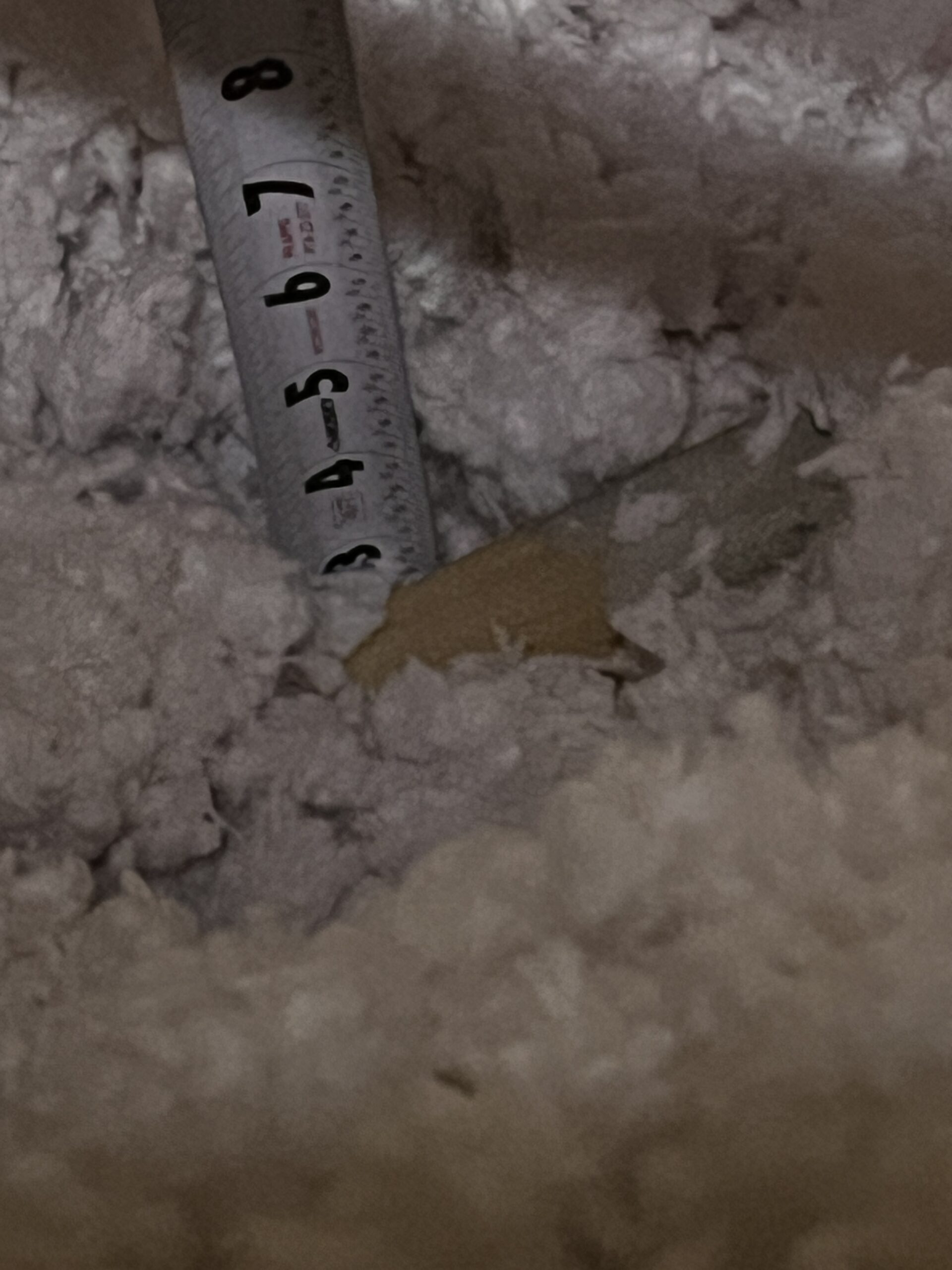
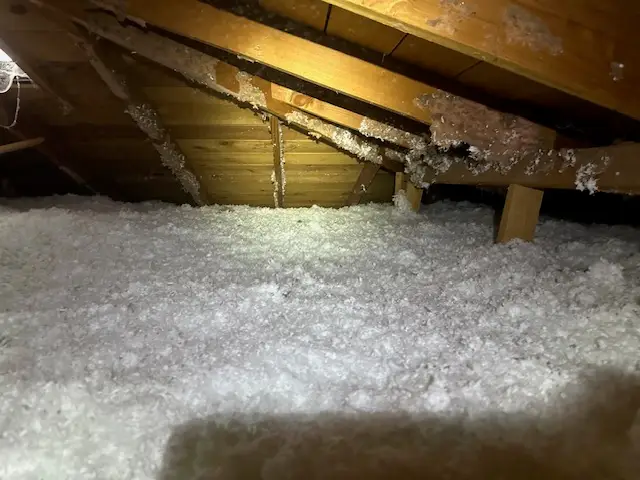
Under Insulated | Attic insulation is one of the most critical barriers to heat loss and heat gain in our homes. We all remember our moms telling us to wear a hat in cold weather; well, that was to keep us from losing body heat from our heads. In a home, your attic is like the noggin. Insufficient insulation, poorly installed insulation, and insulation distribution that has been disturbed by service folks working in your attic all contribute to a decline in performance levels. Sean tells us under insulation is a fairly consistent finding.
Leaky and Broken Ductwork | Whether the ducts are distributing heated air or cooled air, if that air leaks out, energy is wasted, and your home will not be as comfortable as it can be.
Faulty Weatherstripping | Weatherstripping can underperform due to aging, wear, or incorrect installation. Either way, failing weatherstripping will cause air to leak in or out, neither of which is acceptable.
Underperforming Windows | Window seals typically fail over time. When this happens, the argon gas in between the panes of glass can leak out, reducing the window’s performance. Windows with low-E (low-emissivity) coatings can become damaged and may not perform as well.
Pipe Penetrations | In both new and existing homes, areas, where pipes and/or conduits penetrate a wall, ceiling, or roof, must be adequately caulked with foam sealant; otherwise, air conditioning will escape outdoors.
*Expert Tip | Sean says one of the common signs he looks for in a home energy audit is the amount of accumulated dust he sees in areas that are hard to clean. Dust comes from a variety of sources, including humans, pets, and the outdoors. It’s that pesky accumulation of outdoor dust that gives Sean the heads-up that the home may not be sealed correctly.
Some of these issues are minor, but they add up to a potentially significant loss in heating and cooling efficiency, sometimes equal to leaving a door open. Those losses cause your furnace and air conditioner to work harder than it should, use more energy, and cost more to run.
Actions to Correct Energy Loss
Sean leads us through actions that people take to remedy the hemorrhaging found in the home audit report.
Insulation | Redistributing poorly installed or damaged insulation is the least costly and most common action people can take to improve their insulation. Adding insulation to boost performance is also low-hanging fruit and a common action that can save you dollars over time.
Ductwork | Reconnecting detached, or broken pieces of ductwork is also among the least costly remedies people undertake. Leaky ductwork can be sealed at all accessible connecting seams, and minor leaks can also be sealed from the inside. A skilled technician can take a home that is leaking 20-25% of its energy and correct it to as little as 10%.
Weatherstripping | Replacing and / or repairing weatherstripping is a simple task and a minimal investment outside doors, as well as the door to the garage, need solid weatherstripping.
Pipe Penetrations | Penetration of a pipe is easy to fix and inexpensive. With a can of spray foam and some exploration, you can locate the pipe penetrations through your attic and seal the space between the pipe and the top plate of a wall. Don’t forget to look around the exhaust fans for leaks.
HVAC Filters | Dirty filters make equipment work harder. Change or clean them every thirty to sixty days.
Windows | Window replacement is an expensive option but, can be a good return on investment (ROI) if your old windows have failed and your primary concern is saving energy to conserve resources.
Energy Plan | Get the right plan offered by your utility provider. Sean tells us that utility companies offer off-peak plans that provide cheap energy when demand is low. Sean cautions that we may think we are either on the right plan or our usage coincides with that plan, when they don’t. An audit will help determine that.
A good energy audit will reveal the nuances surrounding how you consume energy and how effective your home barriers are. You will be more aware of where your home is leaking energy, and you can be coached on lifestyle and simple behavioral changes to reduce energy consumption. Some of the changes can be as simple as turning off the lights and the fan when you leave a room. Sean tells us the audit is like a doctor’s prescription. Both are only effective when they are used.
###
CONTENT PARTNER | FOR Energy

FOR Energy is dedicated to helping homeowners find value in their home’s efficiency. When contacting our team, you’ll work with a residential home efficiency expert in Phoenix, AZ, who will evaluate your home and determine the best options for improving your home’s efficiency to meet your energy needs and decrease your bills. We have more than 12 years of experience helping homeowners like you design and install home efficiency systems that get the best results. You can trust our residential home efficiency experts to help you obtain optimal efficiency from your home efficiency system.
PODCAST
Whole house energy home audits are the best way to determine how your home is performing in the hot and cold months. Rosie Certified Partner Sean McGraw of FOR Energy shares with us the typical findings of an energy audit and offers ways to fix them for a more efficient confortable home and lower energy bill.
Original Broadcast Archive Page With Expanded Content
PHOTO CREDIT
- Istock
- FOR Energy