Your roof is one of the biggest investments in your home, but when problems arise, deciding whether to repair or replace it isn’t always straightforward. A few missing tiles or a small leak don’t necessarily mean it’s time for a brand-new roof – but on the other hand, continually patching an aging roof can sometimes cost more in the long run.
According to Tyler Johnson of Johnson Roofing, a Rosie on the House Certified Partner, the decision often comes down to a combination of math, maintenance, and the overall condition of the roof – not just whether you can see damage from the ground.
Start with the numbers
Johnson explains that deciding on a new roof requires looking at the bigger financial picture before making the jump.
“How long is the roof expected to last? How much does a new roof cost? Divide the expected lifespan by the cost of a new roof, and you have a decent cost per year,” he said.

From there, compare that figure to your roof’s current age. If the number exceeds the repair cost, the repair is no longer economically feasible. Of course, finances aren’t always that simple. He notes that homeowners should also consider their savings, monthly income, expenses, and whether financing a replacement fits comfortably within their budget.
“That is the basic math that hardly anyone goes over. It is more of a numbers game, and that is just a very ‘plain vanilla’ roof,” Johnson said. “If you start adding toppings like deferred maintenance, poor installation, and accelerated wear due to foot traffic, then the numbers change. If you subtract items like annual maintenance, roof extension work, etc., then the cost lowers.”
Condition matters just as much as age
Even if the numbers suggest a repair could make sense, the roof itself has the final say. Johnson says homeowners should pay close attention to the roof’s overall condition, not just the visible damage they’re concerned about.
“If it is in poor shape or has multiple areas of concern – like possible leaks – you need to take that into consideration when making that decision,” he says.
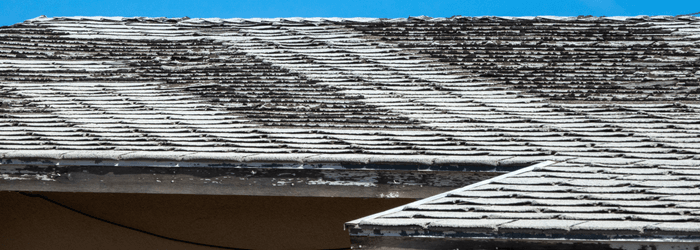
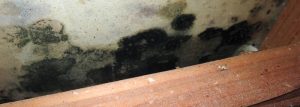
A roof may need professional attention if you notice curling, cracked, torn, or missing shingles, bald spots, or discoloration. Water stains, blistering shingles, and sunlight visible through the attic are also warning signs that shouldn’t be ignored, as they can lead to water damage and mold. If your roof is 20 to 25 years old, it may also be nearing the end of its lifespan and should be inspected by a professional.
It’s also important to think beyond the roof itself. A leak that goes unnoticed can cause extensive damage inside the home, and some houses are much more expensive to repair than others.
Keep in mind the possible cost of interior damage – for example, if you have builder-grade drywall versus Venetian plaster on the walls, or if you’re a snowbird and out of town a lot where a leak may not get noticed before it causes extensive damage. Waiting too long can make what starts as a roofing problem become an expensive home repair project.
How long should an Arizona roof last?
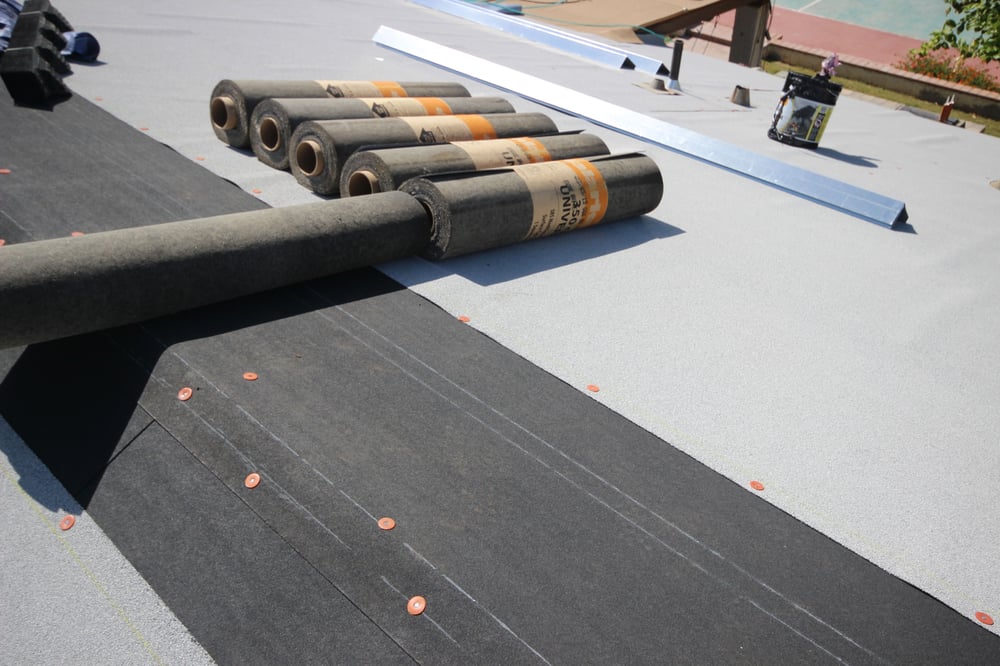
Arizona’s intense sunshine, monsoon storms, and temperature swings make roof longevity highly dependent on the materials used and the quality of the original installation. For example, some builders install 30-pound underlayment that “may last 20 years,” but Johnson says that’s unlikely, while others use 40-pound underlayment that “should last 25.”
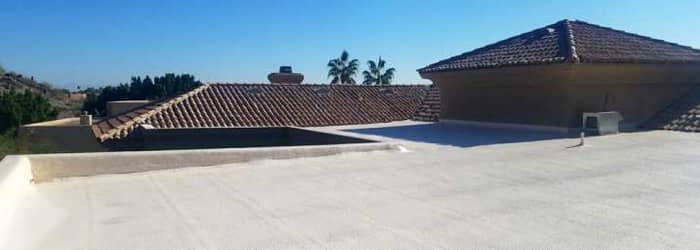
Premium underlayment’s can sometimes last for over 30 years with proper care. Foam roofs can vary just as dramatically.
“Some foam roofs have really good coatings applied properly that have a 10-year warranty and may last longer, while others may not last five years,” Johnson explains.
Because every roof system is different, homeowners shouldn’t rely solely on age when evaluating their roof’s health. The eye of an experienced, trusted professional provides a much clearer picture of what’s happening below the surface.
Maintenance pays for itself
One of the easiest ways to extend a roof’s lifespan is also one of the most overlooked: regular maintenance. Johnson recommends that most Arizona homeowners schedule a roof inspection once a year. Some homes, however, need more frequent attention.
“If you live next to a bunch of trees, twice-a-year inspections are suggested. If you live on a golf course, you might want to consider two times a year or even more – especially if you are halfway down a dog leg in the course.”
Even low-maintenance homes shouldn’t skip maintenance altogether.
“In my mind, the reason for a once-a-year inspection is that it is about how long a small issue takes to turn into a big one. If it is caught in the “small” stage, then it is a small fix, while the big one, well…you know.”
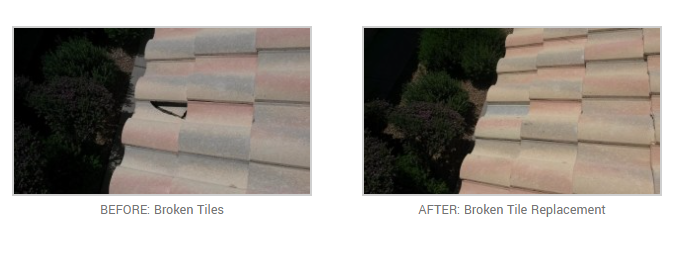
One cracked tile or a little debris on the roof may not seem urgent, but postponing repairs can quickly multiply costs. The same applies to routine cleaning. Annual maintenance often saves homeowners money over the life of their roof.
Tips to avoid roof repair and replacement scams
The biggest red flag is the doorknocker, according to Johnson.
“Most licensed contractors don’t wander neighborhoods looking for work, so be cautious of anyone who shows up unsolicited, especially after a storm, or uses high-pressure sales tactics in person or over the phone,” he said.
Before hiring anyone, get the company’s name and address and verify their license with the Arizona Registrar of Contractors (Johnson Roofing is licensed, bonded, and insured, ROC #272325) or check Rosie on the House for current certified partners.
Don’t take a contractor’s word that they’ve “worked in your neighborhood.” Ask your neighbors yourself. Get multiple written quotes to compare, insist on up-front, itemized pricing with photo documentation of the work, and never pay cash in full before the work begins. A reputable roofer will welcome every one of these steps.
Think beyond the price tag
Replacing a roof is a significant investment, but Johnson encourages homeowners to consider long-term costs rather than focusing solely on today’s estimate. Inflation plays a role, since roofing materials and labor generally become more expensive over time.
“There are unknown variables that we take into consideration,” he says. “Chief among those is inflation. Prices go up; seldom do they go down and stay down.”
“There’s also value in simply knowing your home is protected. Johnson’s advice is simple: don’t ignore your roof. Because they’re out of sight, they’re often out of mind until a ceiling stain appears or water starts dripping indoors.
A yearly inspection, prompt repairs, and routine maintenance won’t eliminate every roofing problem. Still, they can dramatically reduce the chances of facing an unexpected – and expensive – replacement before it’s truly necessary. Sometimes, a little attention today can add years to your roof’s life tomorrow.
###
CONTENT PARTNER | JOHNSON ROOFING
 For over two decades, Johnson Roofing has been the premier provider of top-tier roofing solutions for the Valley Of The Sun. Rest assured, you’re receiving not only the utmost professionalism but also the most competitive rates tailored to your requirements. Whether it’s residential, commercial, or industrial roofing, Johnson Roofing excels in repairs, replacements, and new installations. With us, transparency is key – you’ll have a clear understanding of the costs involved, whether it’s a routine repair or a complete replacement, including basic leak fixes.
PODCAST
PHOTO CREDIT
- Johnson Roofing
- Istock