
Water is something we use without a second thought. We turn on the tap to fill a glass, start the dishwasher, or get in the shower, assuming what flows out is “good enough.” But in cities like Phoenix and across the Valley, water quality can vary significantly – and that’s where the right treatment system can make a real difference.
Paul Kaplan of Water Treatment Technologies, a Rosie on the House Certified Partner, is here to explain how today’s water treatment options are designed to do more than just improve taste. They help protect your plumbing, extend the life of appliances, and give homeowners greater peace of mind about what’s in their water.
Reverse osmosis vs. basic filtration
If you’ve ever wondered whether a simple pitcher filter is enough or if you need something more advanced, the key difference comes down to what each system actually removes.
Kaplan notes that reverse osmosis (RO) systems effectively remove total dissolved solids (TDS) and a range of naturally occurring minerals and contaminants. In contrast, basic filters focus primarily on enhancing taste and odor by removing sediment and chlorine. This depends on the type of filter being used. A carbon filter will remove chlorine and improve the taste of the water. A combination sediment and carbon filter will remove dirt, sediment, and chlorine.
Reverse osmosis targets unseen dissolved substances that affect water quality. In Arizona, this matters because groundwater can contain high levels of naturally occurring elements.
RO systems effectively remove:
- Arsenic and uranium, which are naturally found in Arizona’s soil and bedrock and can reach elevated levels in groundwater.
- PFAS, often referred to as “Forever Chemicals.” RO is one of the most effective methods for removing per- and polyfluoroalkyl substances (Perfluorooctane sulfonate is historically used in firefighting foams, metal plating, and stain-resistant coatings. Perfluorooctanoic acid is primarily used in the production of fluoropolymers like Teflon), which are a growing concern in several Arizona municipal water systems
- Nitrates whichare often present due to agricultural runoff in rural and developing areas.
- Fluoride – which can be found in all Arizona municipalities – can occur at high natural levels in some groundwater sources. RO can remove up to 90 percent!
- Chlorine and chloramines are used by Phoenix and Tucson for disinfection. These are typically removed by the carbon pre-filters in an RO system to improve taste and odor.
- In addition, RO membranes remove up to 99 percent of TDS.
What a basic filter does (and doesn’t) do:
Basic filtration systems, such as pitcher filters, faucet-mounted units, and simple whole-house carbon filters, play different roles. They primarily remove physical particles and some chemical disinfectants.
Most standard home filters target sediment and particulates, such as dirt, sand, silt, and rust, that can enter through aging pipes or natural sources.
Activated carbon filters also remove chlorine and chloramines, which are added to kill bacteria but can leave behind a strong “pool-like” taste and smell. These filters can also reduce certain volatile organic compounds (VOCs) and improve overall flavor.
However, Kaplan says basic filters generally don’t remove TDS. Dissolved minerals and many natural contaminants remain in the water. For deeper purification, reverse osmosis is needed.
Why reverse osmosis water tastes different
Many homeowners say they immediately notice a difference after installing an RO system.
“Reverse osmosis significantly changes the taste of tap water by stripping away nearly all dissolved substances, often resulting in a pure, crisp, or clean profile,” Kaplan said. “However, this extreme purification is exactly why many homeowners notice a dramatic difference, sometimes describing the result as ‘flat’ or ‘bland.’”
That shift in taste happens because RO removes both unwanted contaminants and naturally occurring minerals. RO systems eliminate chlorine and chloramines, which are responsible for the “swimming pool” smell and sharp chemical aftertaste found in many municipal water supplies. They also remove heavy metals like lead or iron that can create bitter, rusty, or musty flavors, especially in homes with older plumbing.
At the same time, the membrane eliminates calcium, magnesium, and potassium. These minerals create water’s distinct “mouthfeel” and subtle sweetness. Without them, water often seems lighter or “empty.” For many homeowners, the ultra-clean taste is desirable, especially for drinking, cooking, or making coffee.
The importance of maintenance
Installing a water treatment system isn’t a “set it and forget it” decision. Like any home system, regular maintenance keeps it running efficiently.
Kaplan advised that “Filtration systems and RO systems generally require professional servicing every 12 months to ensure proper operation.” Annual service typically includes replacing filters and checking the membrane to make sure the system is performing as it should.
Water softeners have slightly different needs. They generally require service only if something isn’t working properly or if there’s a leak. However, homeowners should routinely check salt levels and ensure the system’s timer is set correctly. A quick visual check every month can prevent bigger issues down the road.
Why water softeners matter in Arizona
While reverse osmosis systems focus on drinking water, water softeners address a different – but equally common – issue: mineral heavy water known as hard water.
Arizona is known for exceptionally hard water. In cities like Phoenix, hardness levels can reach 25 grains per gallon, which is classified as “very hard.” That mineral content can take a toll on your home over time. A water softener removes calcium and magnesium before they enter your plumbing system, providing several long-term benefits.
 Softened water helps protect appliances and plumbing by preventing limescale buildup, which can shorten the lifespan of water heaters, dishwashers, and washing machines.. It can also translate into cost savings, as heaters operate more efficiently without scale buildup.
Homeowners often notice personal benefits. Softened water eliminates mineral residue on the skin that strips natural oils, helping to reduce dry, itchy skin and brittle hair. It also makes cleaning easier by reducing soap scum in showers and preventing cloudy white spots on dishes and glassware. Laundry is softer, and colors are less likely to fade prematurely due to mineral bonding.
If you’re not sure whether hard water is affecting your home, there are a few telltale signs.
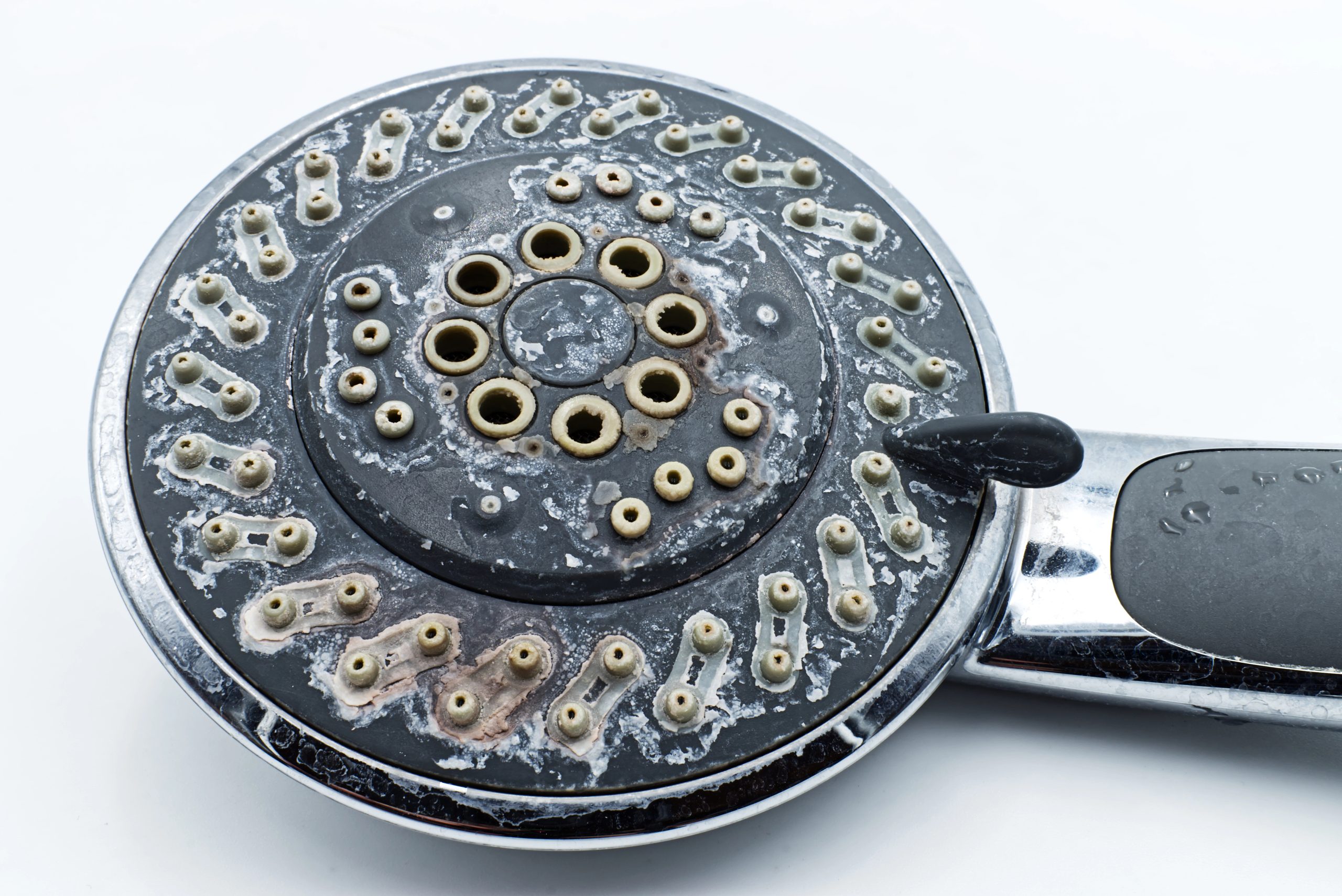
Visible limescale (a white, chalky buildup on faucets, showerheads or glass doors) is one of the most obvious indicators. Persistent cloudy spots or a milky film on glasses after washing can also point to high mineral content. If your skin feels tight or itchy immediately after showering, or if you struggle to get soap and shampoo to lather, hard water may be the culprit.
A smarter approach to home water
From improving the taste of your drinking water to protecting your plumbing investment, modern water treatment systems offer practical, long-term benefits for homeowners.
Whether you choose a basic filter, a reverse osmosis system, or a whole-home water softener, understanding what each system does empowers you to make the best decision for your household. In a state with complex groundwater conditions and very hard water, it can be one of the smartest home upgrades you make.
###
CONTENT PARTNER | Water Treatment Technologies

Water Treatment Technologies has been a success in large part because of our efforts to bring the small town attitude of personalized service, hard work, and ethical business practices to the big city. For over 30 years, that’s been our commitment to both our commercial and residential customers as well as to our employees. We treat our employees like family! We pride ourselves at problem solving water treatment equipment issues when you need them solved, not days or weeks later. We want to ensure your system is properly maintained so you don’t need to take advantage of our 24×7 emergency water treatment services.
PODCAST
Water is something we use without a second thought. We turn on the tap to fill a glass, start the dishwasher, or get in the shower, assuming what flows out is “good enough.” But in cities like Phoenix and across the country, water quality can vary significantly. And that’s where the right water treatment system can make a real difference. Paul Kaplan of Water Treatment Technologies explains how those technologies work for better water.
Broadcast Archive Page With Expanded Content
PHOTO CREDIT
- Water Treatment Technologies