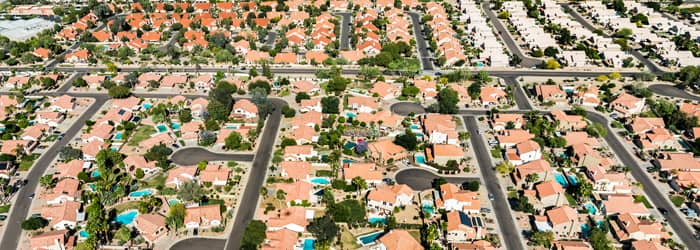
Picture in your mind the very first time you step into your new home: keys in hand, imagining where the couch will go and what art you’ll hang on the walls.
Once that excitement settles, however, homeowners might discover that owning a home comes with a few surprises: many that you had no idea could exist until they happen to you. Below are five important “needs” and how they affect homeowners – with or without warning.
Home warranties
“Moving into a new house often comes with unexpected challenges, and it’s essential to be prepared so you can make informed decisions and enjoy peace of mind,” Theresa Chrest of Phocus Insurance Services said.

Home warranties can be helpful, but they’re not quite the all-encompassing coverage many buyers assume. A home warranty typically covers certain systems and appliances, such as HVAC, plumbing, and kitchen equipment, but only under specific conditions. According to Consumer Reports, coverage often depends on maintenance and may exclude pre-existing conditions.
“There are pros, such as warranty companies finding contractors or repair services for you, and of course, saving money,” Chrest said, “but you may be limited to using contractors or professionals chosen by the warranty company, which could affect the quality or timeliness.”
If your air conditioning fails during summer (a literal nightmare scenario for Arizonans), your warranty might help, but service fees, delays, or partial coverage may apply. Some homeowners find warranties worthwhile, while others feel the limitations outweigh the benefits.
Homeowners insurance
Many people assume their homeowners’ insurance policy covers everything that could go wrong, but standard policies come with notable exclusions. Flooding, for example, is typically not covered under a standard plan. The Federal Emergency Management Agency notes that flood insurance requires a separate policy, even in areas that aren’t considered high-risk.
Sewer backups, certain types of water damage, and even wear and tear are often excluded or limited. Deductibles can also be higher than expected, especially for claims related to storms or natural disasters. Understanding what your policy does and doesn’t cover is important.
“Set aside funds for maintenance and repairs, as some surprises are inevitable and may not fall under coverage,” Chrest said.
Inspections
Inspectors typically assess visible and accessible areas of the home, meaning issues hidden behind walls, underground, or in specialized systems that can go unnoticed.
“Home inspectors are like guard dogs who bark vociferously when something is awry to get the owner’s attention,” Brian Coumont of Veteran Inspection Professionals said.
That’s where one of the most overlooked surprises comes in: the sewer line. It’s one of the most critical (and costly) components of a home. A damaged or aging sewer line can lead to backups, slow drains, or even yard damage, and repairs can run into the thousands.
What homeowners may not know is that a sewer inspection is not always included in a general inspection.
“One of the biggest misconceptions we see is that everything important will be found during a general home inspection. In reality, some of the costliest issues, like sewer line failures or termite activity, require additional evaluation,” Coumont said. “In Arizona, many of the most expensive problems aren’t visible during a standard inspection. Sewer lines are a great example: issues like root intrusion, pipe separation, or underground damage can go completely undetected.”
The same goes for other specialized inspections, like roof certifications, HVAC evaluations, or pest inspections. Each one provides a deeper look at specific systems, but they’re not always standard. Skipping them doesn’t guarantee there won’t be a problem; it just increases the chances of discovering one later, usually at a less convenient time.
Small maintenance tasks add up quickly. In a rental, a dripping faucet or a faulty garbage disposal is an inconvenience. In a home you own, it’s your responsibility, and your expense.
Even routine upkeep, like servicing your HVAC system, cleaning gutters, or sealing windows, can feel like a constant to-do list. According to guidance from the U.S. Department of Housing and Urban Development, homeowners should budget 1 to 3 percent of their home’s value annually for maintenance and repairs.
Utilities can also be eye-opening
A larger space often means higher energy bills, especially in climates with extreme temperatures. Older homes, in particular, may be less energy-efficient than expected, with outdated insulation or aging systems quietly driving up monthly costs.
*Rosie tip: Be sure to tell new homeowners about the savings to be had in the summer months by supercooling!
HOAs
For homeowners in planned communities, a homeowners’ association (HOA) comes with perks and potential frustrations. HOAs can help maintain neighborhood standards, manage shared amenities such as pools or parks, and boost property values by keeping the area well-maintained.
They also come with monthly or quarterly fees and rules that can be stricter than expected. Everything from paint colors and landscaping choices to parking and holiday décor may be regulated.
According to the Community Associations Institute, millions of Americans live in HOA-governed communities. Some appreciate the structure, while others are caught off guard by the level of oversight. The key surprise for many homeowners isn’t just that HOAs exist, but also the extent of their influence on day-to-day living.
Home security
One of the more expected realities of homeownership is just how much responsibility comes with keeping your space safe – starting with a reliable security setup.
A monitored system gives the most protection. These types of systems are increasingly affordable and can monitor your property, smoke and fire, and even provide alerts and call for help for medical situations.
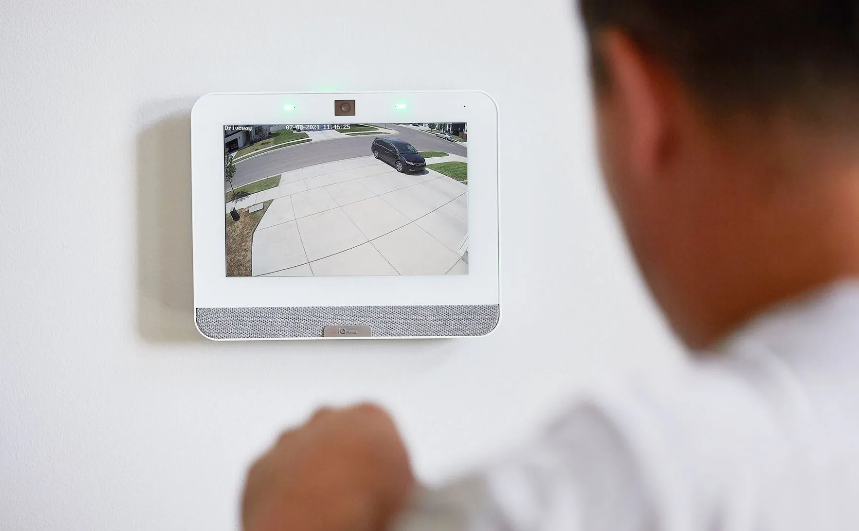
Many homeowners opt for unmonitored wireless systems as they are easy to install and can be tailored to your home’s layout, while video surveillance lets you keep an eye on things in real time. Smart systems go a step further, letting you monitor activity, control locks, and receive alerts right from your phone via an app.
Beyond technology, many homeowners are surprised to learn how much the basics still matter. Sturdy locks, reinforced doors, and windows might be the line of defense, but upgrading to high-security deadbolts can make a noticeable difference.
Outdoor motion-activated lights deter unwanted visitors by eliminating hiding spots. As you settle in, you may add features, update locks, or trim landscaping to increase security—an ongoing process of securing your home.
What ties all of these surprises together is a simple truth: buying a home is just the beginning of the learning curve. The good news is that most of these challenges are manageable with a bit of preparation and awareness.
“We also see homeowners surprised by how much the Arizona climate impacts a home over time. Extreme heat, soil movement, and monsoon rains can all affect major systems like roofs, HVAC units, and drainage,” Coumont said.
*Rosie Tip- A long, long history of housing in America proves it is well worth the commitment!
Reading the fine print on warranties and insurance policies, investing in thorough inspections, and setting aside a realistic maintenance budget can go a long way in avoiding unpleasant surprises.
###
Homeowner Handbook | #NewHomeSurprises
PODCAST
PHOTO CREDIT