

In Arizona, dust is simply part of life – but that doesn’t mean homeowners have to accept a constant layer of it settling across every surface, inside, at least! While dusting and vacuuming help, persistent particles can sometimes point to something happening beyond what you can see.
From air ducts and vents to attic insulation, windows and doors, several areas of a home can influence how much dust gets inside and how it circulates. Understanding where it’s coming from can help homeowners address the source.
Start with the vents and ductwork
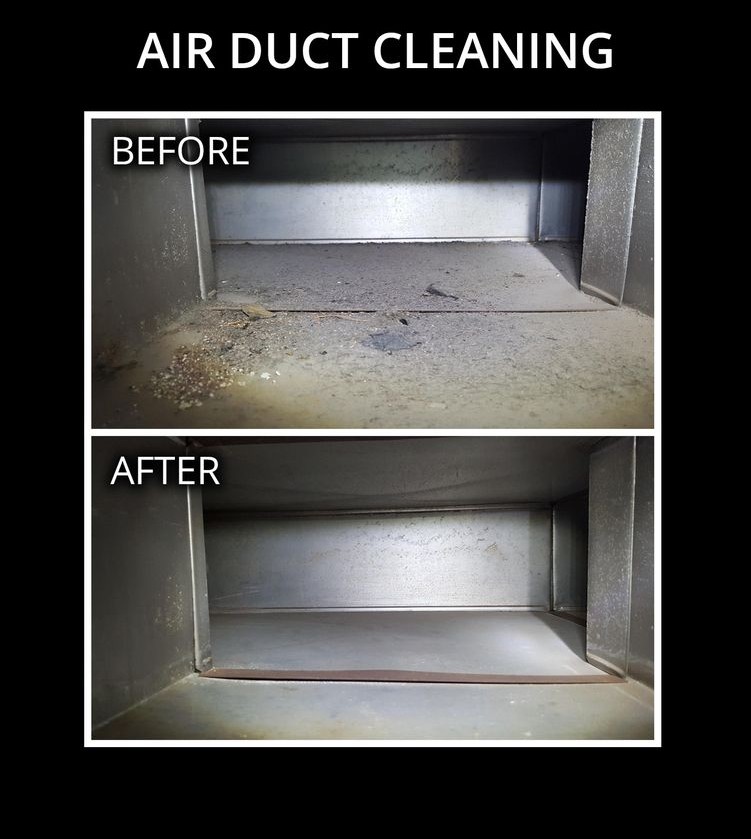
According to Becky Derendal of Arizona Chimney and Air Ducts, homeowners often overlook their ductwork because it is largely out of sight.
“Since these are things you do not see, time can pass quickly before you realize there is a problem,” Derendal said. “One of the biggest misconceptions is that air ducts, chimneys, and dryer vents only need attention when there is an obvious problem.”
Arizona’s dry climate can contribute to build up inside ductwork, particularly in homes with pets, recent remodeling or residents with allergies. Derendal recommends having air ducts cleaned every eight to 10 years, although some homes may benefit from more frequent cleaning.
That buildup can include dust, pollen, pet hair and dander, skin flakes, textile fibers and other particles. Because an HVAC system continuously circulates air throughout the home, what accumulates inside the ductwork can become part of that circulating air.
“Your HVAC system continuously circulates air throughout your home, so what is inside the ductwork can become part of the air being circulated,” Derendal said. “Over time, dust, pollen, pet hair and dander, skin flakes, textile fibers, and other particles can accumulate inside the duct system.”
Remember, though, that duct cleaning isn’t a substitute for routine HVAC maintenance or regularly changing the air filter. Those steps remain important to preserve indoor air quality.
Don’t forget the dryer
Dryer vents are another area homeowners may overlook simply because they aren’t used every day (hopefully, anyway!). Derendal recommends having dryer vents inspected and cleaned at least once a year, with more frequent attention for households that run several loads of laundry each week.
“Many believe cleaning the lint screen after every load means the dryer vent is clean,” she said. “The lint screen does not catch 100 percent of the lint, and lint, pet hair, and other debris can accumulate in the dryer vent over time.”
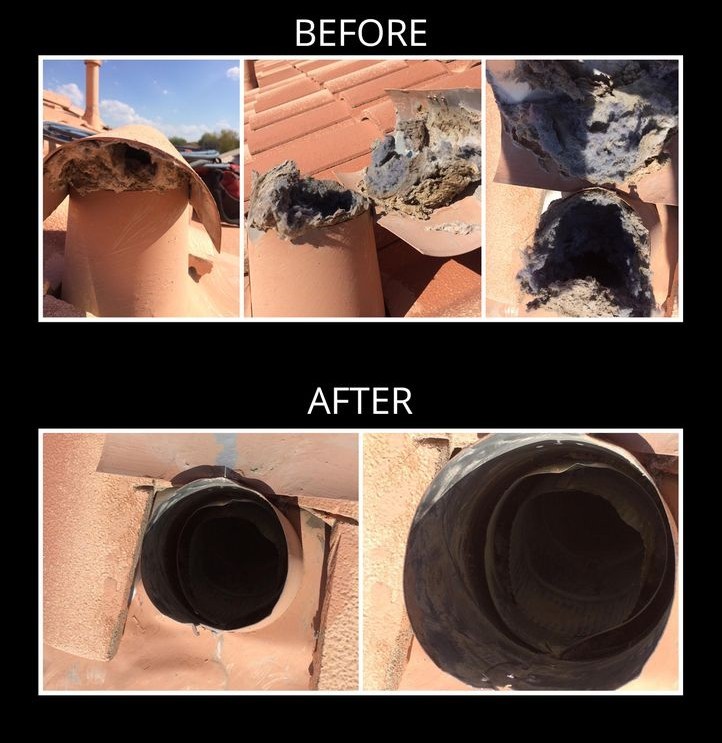
A restricted vent can cause more than an inconvenience. Homeowners may notice that clothes are taking longer than usual to dry or that the dryer is running hotter than it normally does. A clogged or restricted vent can also increase energy use and create a potential fire hazard.
And if cleaning doesn’t solve the problem, the vent itself may need attention. Derendal said a crushed, disconnected, excessively long, or improperly installed dryer vent may require repair or replacement rather than simply another cleaning. Repeated airflow or blockage warnings are another reason to have the system professionally inspected.
Dust can enter before it reaches the vents
Sean McGraw of FOR Energy said homeowners should also look at the places where outdoor dust can enter the home in the first place.
“Dust comes from a handful of sources. Some of it is internal, like human skin, pet dander, and fibers from carpets. But the biggest chunk is outdoor dust, and that is actually the piece you can control the most,” McGraw said.
Unsealed gaps around the home can allow outdoor dust to sneak inside. McGraw points to sealing duct systems, closing off wire and pipe penetrations in the attic, and fixing or sealing drafty windows as ways to address dust at its source.
“It is pretty simple. If your attic is not sealed off, your insulation actually contributes to the dust in your living space,” McGraw said. “Attic air sealing closes up all those tiny wire and pipe penetrations so attic insulation and debris cannot make their way into your home.”
Ductwork can play a similar role. According to McGraw, leaks can allow airborne insulation, outdoor dirt and debris into the system, where they can ultimately be circulated back through the home.
“Pairing a sealed duct system with a properly sealed attic stops that dirty air from circulating,” he said.
Pay attention to where dust collects
The location can also provide clues about what is happening inside a home. McGraw said dust collecting on supply registers can point toward leaky ducts or attic sealing issues, while dust around exterior doors and windows may indicate outside air leaks.
“Dust settling on interior doors: That is a sign of a room pressure imbalance, which you can fix by adding returns or rebalancing the system,” McGraw said.
For homeowners trying to get ahead of the problem, one of the simplest habits is staying on top of HVAC filter changes. McGraw recommends changing filters every one to two months.
Derendal also recommends routine dusting and vacuuming, including commonly overlooked areas such as ceiling fans, vents, blinds and furniture. Keeping doors and windows closed during dust storms and windy conditions, maintaining good seals around windows and doors, and regularly vacuuming carpets, rugs and upholstery can also help.
For homeowners who want to understand exactly where their dust problem is coming from, McGraw recommends starting with a professional home energy audit.
“The absolute most important thing you can do is understand where the dust is coming from,” McGraw said. “Do not try to self-diagnose. Get the test done, pinpoint the exact sources, and then you will have the precise data you need to fix the problem, boost your comfort, and lower your energy bills.”
And while dust may never completely disappear – especially in the Arizona desert – understanding how it enters and travels through a home can make it much easier to keep under control.
###
Homeowner Handbook | #FilterTheDustOut
PODCAST
PHOTO CREDIT