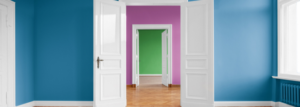

Living in Arizona means learning to embrace the heat, but that doesn’t mean you have to suffer! With summer temperatures making an appearance early this year (triple digits in April!), keeping your home cool is less about cranking the AC nonstop – or heading north to Flagstaff for the next few months – and more about using efficient strategies that work with the desert climate.
Supercooling
If you’ve lived in Arizona for a while, you’ve probably heard of supercooling. This method takes advantage of lower electricity rates during off-peak hours to keep your space comfortable all day long. Supercooling works by lowering your home’s temperature in the early morning hours, when energy is cheapest, and then allowing the house to gradually warm throughout the day.
“Supercooling is really about knowing how much your electricity costs you. And it costs a lot less in the middle of the night than it does in the afternoon,” home improvement expert Rosie Romero said. “It’s called ‘on peak’ and ‘off peak’ pricing. Peak pricing means you’ll pay over 20 cents per kilowatt. Off-peak prices are below 6 cents per kilowatt. You’re saving approximately 75 percent, and it’s the same kilowatt.”
To make the most of this approach, Romero emphasizes shifting as much energy use as possible to those lower-cost hours.
“You take all that cheap electricity, and you do everything you need to do in your house during off-peak hours,” he said. “When you get your monthly energy bill, you should be well under 15 cents a kilowatt. You need to make sure you’re on the right plan. If you are an APS customer that will be the Time-of-Use plan. Check your utility provider for similar plans. Then make sure you use as much consumption in off-peak as possible.. Keep your demand limit at a minimum.”
Execution is key, and a properly set thermostat can make all the difference.
“Fill your house with ice-cold air when electricity is off-peak; it’ll super cool your house and all its contents. For the on-peak period, tell the thermostat, don’t turn on until the house gets above 78 degrees,” he said. “So, you turn your house into an ice chest after 7 pm when off-peak hits.”
Electric water heaters should be on a timer; never let them come on during on-peak periods.
With a well-insulated home and energy-efficient windows, that cool air can last longer, reducing the need for costly daytime cooling. For the greatest savings, don’t use other electric appliances during this time, such as your clothes dryer, oven, or cooktop. Supercooling is also a more environmentally conscious way to beat the heat.
“You should be buying at least 80 percent of your electricity at off-peak, and it’s not hard to get to 95 percent,” Romero said. “The more you buy off-peak by supercooling, the cheaper your electricity is going to be.”
While newer technologies like battery storage are gaining attention, they can still be cost-prohibitive for many homeowners. “Supercooling is the greenest, earth-sustainable environmental thing you can do,” he said.
Shade Structures
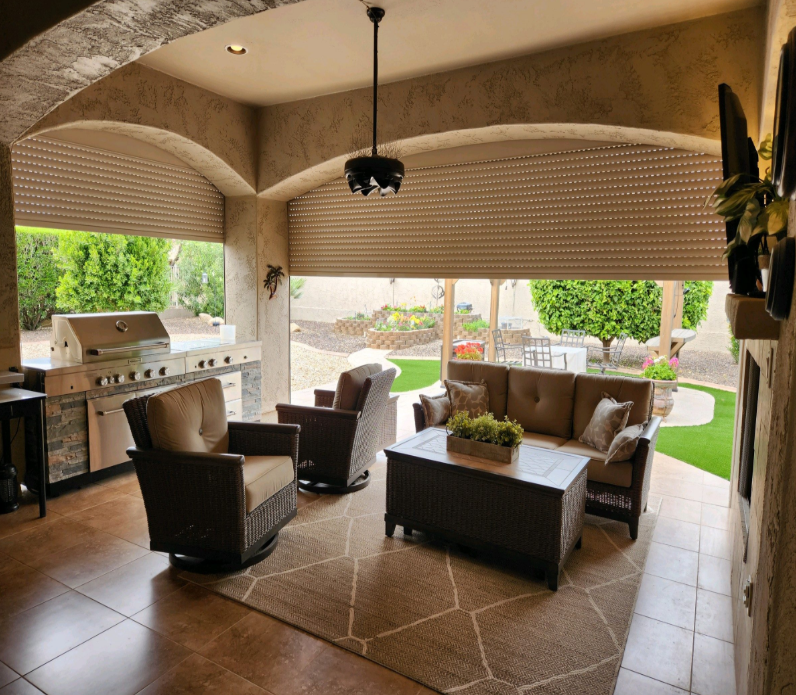
In Arizona, shade is both a luxury and a necessity. Direct sunlight can dramatically raise indoor and outdoor temperatures, forcing your air conditioning system to work overtime.
Installing shade with shade sails, or covered patios can make a huge difference. When these features are placed to block direct sunlight from reaching your home’s exterior walls and windows, they help reduce heat gain inside. Another option is to install rolling shades to outdoor living spaces to keep out direct sun and dust.
Even simple additions, like planting desert-friendly trees or installing exterior shades on west-facing windows, can help keep your home cooler. The goal is to minimize the amount of heat your home absorbs throughout the day.
Misting Systems
If you enjoy spending time outside, a misting system should be at the top of your list for keeping cool. Misters work by releasing a fine spray of water that quickly evaporates, cooling the surrounding air. To work effectively, misters need to atomize water at 1000 psi. Misting Systems that don’t use high pressure will lead to dripping water and damp clothing and hair, and the air will not cool off as well. A high-powered misting system can lower the temperature in a patio or backyard area by up to 30 degrees.
For best results, place misters around the perimeter of a covered patio or seating area.
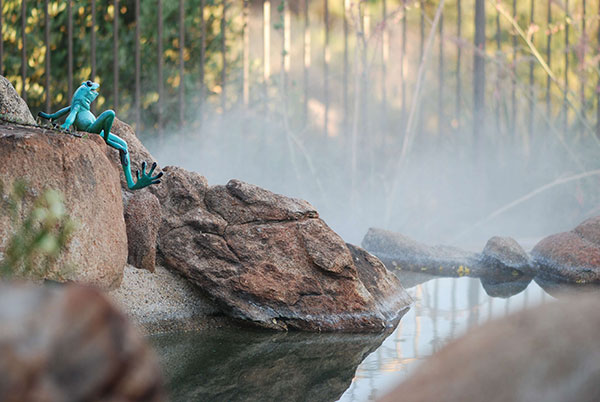
Insider tip: Arizona’s hard water can cause buildup in the system over time, so regular maintenance is important.
Windows
Windows are one of the biggest sources of heat gain in any home, especially in a sunny climate like ours. If your windows aren’t properly treated, they can let in a surprising amount of heat.
Simple solutions like blackout curtains, roll down shades, solar screens, or reflective window films can significantly reduce indoor temperatures. These upgrades are relatively affordable and can make an immediate difference.
For homeowners looking to invest more in long-term, energy-efficient windows, low-emissivity (Low-E) coatings are designed to reflect heat while still letting in natural light.
Smart Thermostats and AC Maintenance
We all know our air conditioning system does most of the heavy lifting during AZ summers, so it’s important to make sure it’s running as efficiently as possible.
Regular maintenance – changing filters, cleaning coils, and scheduling annual tune-ups – can improve performance and extend the life of your system. A poorly maintained AC unit must work harder, which means higher energy bills and a greater risk of breakdowns during peak heat.
Installing a smart thermostat can also help. These devices allow you to program temperature changes throughout the day, making it easier to take advantage of supercooling while avoiding unnecessary energy use.
Insulation and Sealing
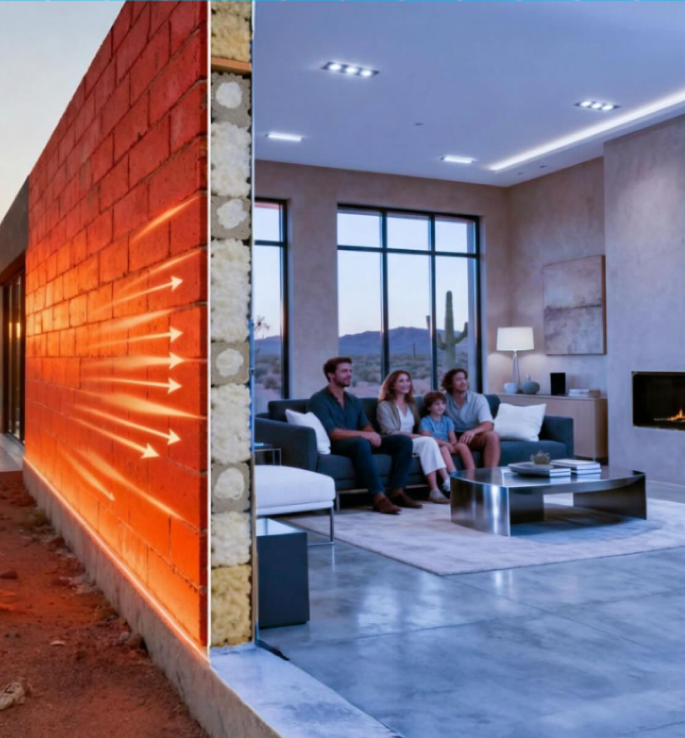
If your home isn’t properly insulated, you’re essentially paying to cool the outdoors. Good insulation acts as a barrier, keeping hot air out and cool air in. Upgrading insulation (especially in older homes) can be one of the most impactful changes because it helps keep your home cooler in the summer and warmer in the winter.
“If you own a block house, there’s a good chance that the walls of your home have little or no insulation. We can add five times the R-Value to your walls in one day by strategically drilling small holes on the outside walls, then injecting a non-toxic foam insulation into the empty cells,” Dennis Rodenberg of Rosie Certified Thermal Advantage said. “This process helps to make your home more energy efficient and comfortable year-round.”
Check areas like your attic, doors, and windows for leaks or gaps where air might be escaping. Sealing these areas with weatherstripping or caulking can improve your home’s overall efficiency.
Outdoor Surfaces
The materials around your home can also affect how hot it gets. Dark surfaces like asphalt or certain pavers absorb and retain heat, radiating it back into the surrounding area even after the sun goes down.
Opting for lighter-colored materials or heat-reflective coatings can help reduce this effect. Artificial turf designed for hot climates, or strategically placed ground cover, can also make outdoor areas more comfortable.
There’s no one-size-fits-all solution to staying cool in Arizona. The best approach is usually a combination of strategies; some focused on reducing heat gain, others on improving efficiency, and a few designed to make outdoor living more enjoyable.
The good news is that even small changes add up. Whether it’s adjusting your thermostat, adding shade, or upgrading your windows, each step helps create a more comfortable home without sending your energy bills through the roof.
###
PODCAST
PHOTO CREDIT
- Señor Mist
- Roll-A-Shield