
Keeping an eye on your home’s water use is an easy way to save money, protect your plumbing, and make the most of every drop.
You don’t have to be a plumbing expert. Simple habits – like checking your monthly water bill, watching for leaks, and understanding water quality – can help you conserve with little effort. These practical tips can help you use water more efficiently while protecting one of Arizona’s most valuable resources.
Keep an eye on your water use
Your monthly water bill can tell you much more than how much you owe. Comparing your usage from month to month and year to year can help you spot increases before they become expensive and wasteful problems. If your bill jumps without any obvious reason, you may have a hidden leak.
One way to check is by turning off every faucet, appliance, and irrigation system that uses water. Then look at your home’s water meter. If the meter continues moving, there’s a good chance water is flowing somewhere it shouldn’t.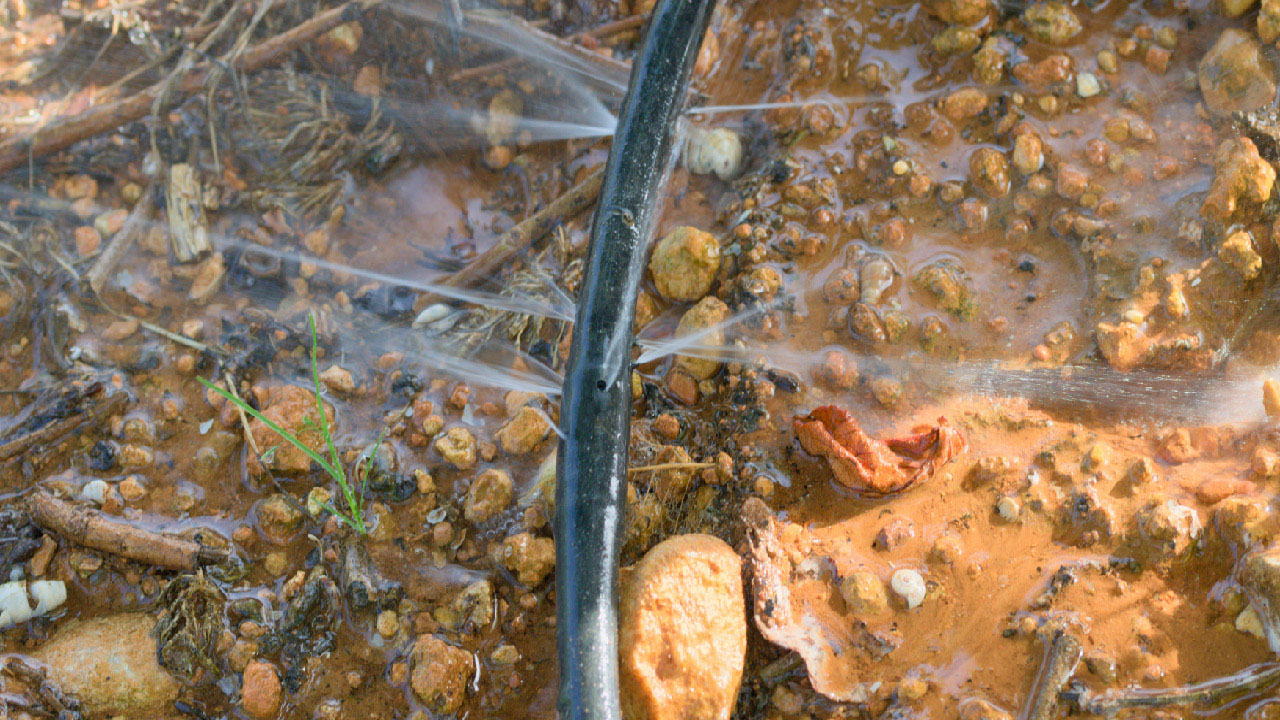
Routinely check your irrigation system for puddles, damp spots, missing or clogged emitters, and valves that continue to leak when the system is turned off. Be sure to adjust your irrigation schedule with the seasons to avoid overwatering.
Pools should also be monitored for unexplained drops in water level or frequent refilling. Many pool leaks can be repaired without draining the pool, so it’s best to address them right away. Inside the home, obvious signs like dripping pipes, wet cabinets, stained walls, or soft flooring may indicate a plumbing leak.
Catching leaks early can save thousands of gallons of water each year while preventing costly damage to your home. The average household loses nearly 10,000 gallons of water annually through leaks, making detection one of the easiest and most effective conservation steps homeowners can take.
Your yard’s role in water conservation
Outdoor irrigation accounts for the largest share of residential water use in Arizona, making the landscape one of the best places to conserve water. Water early in the morning or after sunset to reduce evaporation. Check sprinkler heads regularly to ensure they’re aimed at plants rather than sidewalks or driveways, and repair broken irrigation lines promptly.
Choosing drought-tolerant plants, using drip irrigation, and adjusting watering schedules with the seasons can reduce outdoor water use while keeping landscapes healthy. If you have a swimming pool, using a pool cover can also help reduce evaporation during Arizona’s hottest months.
*Rosie tip – to take the guess work out of watering, sign up for regular texts from Arizona Municipal Water Users Association – AMWUA.
Rainwater harvesting is another way to conserve water. Did you know:
- 3 inches of rain in 2 hours can yield 29,000 gallons on one site
- 1 inch of rain on 1,000 square feet collects approximately 620 gallons of water
- Metal roofs are excellent for collecting rainwater for plants and trees
With a little education, planning and preparation, you can harvest the rain that falls on your property and enjoy the satisfaction of knowing you put rainwater to good use.
Choose water-efficient products
Today’s plumbing fixtures are designed to do more while using less. When replacing older fixtures, look for products such as:
- Low-flow showerheads
- High-efficiency toilets
- Water-saving faucets and aerators
- Efficient washing machines and dishwashers
- Smart irrigation controllers for outdoor watering
These upgrades reduce water and energy consumption and lower monthly utility costs. Arizona plumbing standards already require that many modern fixtures use significantly less water than older models, making replacement a worthwhile investment.
Residents can request a free, customizable AZ Water-Wise Kit through the Water – Use It Wisely program, which includes devices designed to reduce everyday use. Depending on availability, homeowners can choose from a Water Sense-certified showerhead, faucet aerator, toilet leak-detection strips, drip gauge, hose timer, and drip-irrigation repair kit.
Know your water quality
Every public water utility is required by law to provide customers with an annual Consumer Confidence Report, also known as a water quality report. This document outlines where drinking water comes from, what’s been tested, and whether it meets federal drinking water standards. If you’ve never looked at y ours, it’s worth taking a few minutes to review. You can also check out Rosie’s tips for water treatments here: WATER.
Water quality can vary depending on where you live. While Arizona’s municipal water supplies are monitored and treated, many families choose additional filtration systems to improve taste, reduce odors, or address specific concerns. One of the water challenges Arizonans face is hard water, which contains naturally occurring minerals such as calcium and magnesium.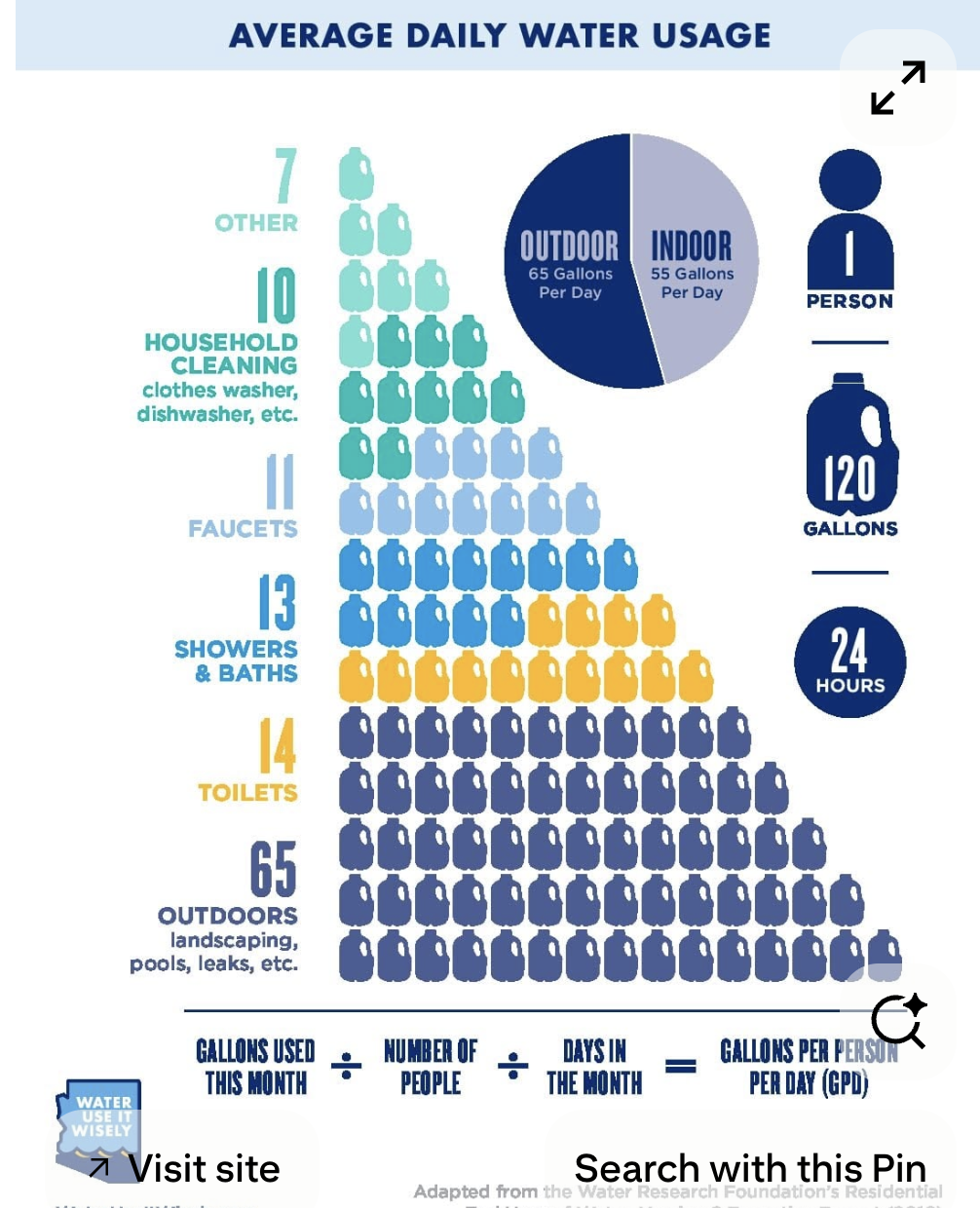
While it’s safe to drink, those minerals can leave behind white spots on dishes, buildup on faucets and showerheads, and scale inside pipes and appliances.
Over time, hard water can reduce the efficiency of water heaters, dishwashers, and washing machines while shortening their lifespan. Many homeowners install water softeners to help reduce mineral buildup. Others prefer reverse osmosis systems for drinking water or whole-home filtration systems that improve taste and reduce certain impurities, including PFSA’s (known as forever chemicals).
The right solution depends on your home’s water quality, household needs, and personal preferences.
Every drop matters
Conservation doesn’t always require expensive upgrades. Small daily habits can have a lasting impact. Turn off the faucet while brushing your teeth. Run dishwashers and washing machines only with full loads. Fix dripping faucets and running toilets as soon as possible.
Sweep driveways instead of hosing them down and wash vehicles with a shut-off nozzle. Every step helps protect your home – and Arizona’s most precious resource – for years to come. Keep making small changes and let every drop count.
###
PODCAST
PHOTO CREDIT